

Miele Dishwasher Not Draining or Showing an Error? What to Do
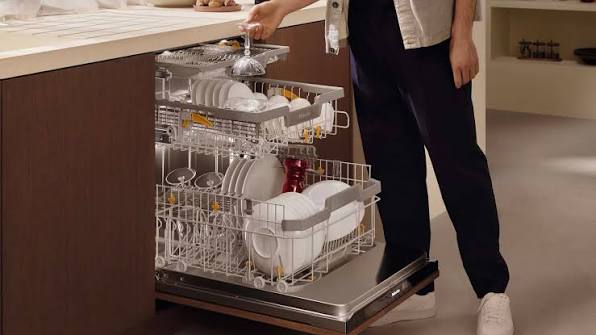
Key Takeaways
- A Miele that won't drain usually has a clogged filter, a blocked hose, or a stuck drain pump.
- Clean the base filter monthly — it prevents most drainage problems.
- Note any F-code; it tells a technician exactly which system to check.
- Keep dishwasher salt and rinse aid topped up to prevent cloudy glassware.
- Dishwasher repairs start at $249, and the $79 diagnostic is waived with the repair.
Is your Miele dishwasher not draining or flashing a fault code? A Miele is one of the best-built dishwashers in the world, so standing water in the bottom or a blinking warning light is frustrating — and worrying, given what these machines cost. The reassuring news: the most common causes are a clogged filter, a blocked drain hose, or a stuck drain pump, and several are easy to check yourself. This in-depth guide explains why a Miele dishwasher won't drain, what its fault codes mean, the safe checks you can do first, what Miele repair costs, and how to keep it running for decades.
A+ Appliance Repair & Maintenance is a family-owned appliance repair company that has served Chicago and the surrounding suburbs since 2015. We hold a 4.9-star rating across more than 1,200 customer reviews, we've helped over 10,000 homes and businesses, and our technicians are factory-approved on Miele, Bosch, and other premium brands. That experience means we know Miele's drainage and electronics inside and out.
Why is my Miele dishwasher not draining?
A Miele dishwasher usually won't drain because of a clogged base filter, a blocked or kinked drain hose, debris caught in the drain pump, or a clogged sink air gap or disposal connection. Standing water at the bottom of the tub is the classic sign. Most drainage problems can be cleared or repaired in a single service visit.
Miele dishwashers are engineered to a famously high standard — the company tests many models to the equivalent of 20 years of use. But like any dishwasher, they rely on a clear path for water to leave the tub. When food, grease, or a small object blocks that path, water backs up. Understanding where the blockage tends to occur is the key to a fast fix.
Common causes and what they mean
These are the drainage and fault issues we see most on Miele dishwashers:
- Clogged base filter. Food and grease build up in the cylindrical filter at the bottom of the tub and choke drainage. This is the most common cause and the first thing to clean.
- Blocked or kinked drain hose. A pinch or clog in the hose stops water from leaving the machine.
- Stuck drain pump. Glass shards, fruit pits, or debris can jam the pump impeller, so the pump hums but can't move water.
- Clogged air gap or disposal. If the drain hose connects to a sink air gap or a garbage disposal, a clog there — or a disposal plug that was never knocked out after install — backs water up into the dishwasher.
- Check valve issues. A faulty drain check valve can let water flow back into the tub.
- Fault codes (F-series). Miele displays fault codes for water-inlet, drain, heating, and leak-protection issues. Noting the exact code helps a technician go straight to the problem.
- Waterproof System activated. Miele's leak-protection system can shut the dishwasher down and show a fault if it detects water in the base, which sometimes presents as a drain or inlet problem.
What do Miele dishwasher fault codes mean?
Miele uses fault codes (commonly shown with an "F" and a number) to flag specific problems — for example, water-inlet faults, drainage faults, heating faults, and leak-protection triggers. The codes are diagnostic shortcuts: they tell a trained technician which system to inspect first, which saves time and keeps the repair accurate. Because the exact code meaning varies by model and generation, the best move is to write down the code displayed and have it confirmed against your specific model rather than guessing. If a fault code keeps returning after a basic filter-and-hose cleaning, it points to a component — pump, valve, sensor, or control — that needs professional attention.
Safe checks you can try before calling a technician
You can clear the most common drainage causes yourself, with no special tools:
- Turn the dishwasher off and remove standing water from the tub with a cup and a towel.
- Remove the base filter, rinse it thoroughly under hot water, and clear any debris from the filter well — including the drain area beneath it.
- Check the drain hose for kinks, and make sure the sink air gap and any garbage-disposal connection are clear.
- Look for foreign objects (glass, labels, food) near the drain pump opening once the filter is out.
- Note any fault code on the display before you call for service.
- Run a short rinse cycle to see whether water now drains.
If water still won't drain after cleaning the filter and clearing the hose and air gap, the drain pump, check valve, or control may need a technician.
A Miele-specific tip: salt and the built-in water softener
Many Miele dishwashers include a built-in water softener that needs dishwasher salt to work. In hard-water areas — common across much of our service area — letting the salt run out leads to cloudy glassware, scale buildup, and reduced performance over time. Keeping the salt reservoir filled and the rinse aid topped up is one of the easiest ways to protect a Miele and keep results spotless. If you're seeing white film on dishes alongside performance issues, the softener and salt level are worth checking.
How much does Miele dishwasher repair cost?
At A+ Appliance Repair & Maintenance, dishwasher repairs start at $249, and every repair is quoted as a flat, fixed price per repair before any work begins — never hourly. We set our rates using the industry-standard Appliance Repair Blue Book, so pricing is transparent and consistent.
Our residential diagnostic fee is $79, and it's waived and applied to your repair when you proceed — so the service call is effectively free with any repair. You'll always know the price before we start, with no hidden fees. every completed repair is backed by our full repair warranty. Because Miele units are engineered to last around 20 years, a repair is almost always far more economical than replacement.
Why choose a Miele specialist for the repair?
Miele dishwashers use brand-specific parts, a leak-protection system, and electronics that reward proper training. Here's why Miele owners across our service area choose A+:
- Experience since 2015. A family-owned company that has completed thousands of premium-appliance repairs and served more than 10,000 homes and businesses.
- Factory-approved expertise. Technicians trained and certified on Miele and other high-end brands.
- Proven track record. A 4.9-star rating across more than 1,200 reviews, BBB Accredited Business status, the Angi Super Service Award in 2024 and 2025, and Thumbtack recognition.
- Licensed, insured, and background-checked. Every technician who enters your home is vetted, insured, and trained.
- Transparent, guaranteed work. Fixed, upfront pricing, a repair warranty, and our satisfaction guarantee.
- Fast, local service. Same-day and next-day appointments, seven days a week, from 6 AM to 9 PM.
How to prevent Miele dishwasher drainage problems
A few habits keep a Miele draining cleanly:
- Clean the base filter regularly — monthly is a good rule for most households.
- Scrape large food off dishes before loading so it doesn't reach the filter and pump.
- Keep dishwasher salt and rinse aid topped up, especially in hard-water areas.
- Run an occasional hot cycle with a dishwasher cleaner to clear grease.
- Check that the drain hose and air gap stay clear and unkinked.
Miele dishwasher repair near you
A+ Appliance Repair & Maintenance is headquartered in Chicago and serves the entire metro and surrounding Illinois suburbs, plus the Los Angeles metro, Washington D.C., Northern Virginia, and Houston, Texas. Explore our dishwasher repair service, our Miele appliance repair page, or our Illinois service area.
Standing water in your Miele? Book online in seconds or call (800) 819-4195 for same-day Miele dishwasher repair.
Frequently asked questions
How do I clear standing water in a Miele dishwasher?
Turn it off, bail out the water, then remove and rinse the base filter and check the drain hose and sink air gap for clogs. If water returns after that, the drain pump or check valve may need service.
What does an F-code mean on a Miele dishwasher?
Miele F-codes flag specific faults such as water-inlet, drain, heating, or leak-protection problems. Note the exact code displayed — it helps a technician diagnose the issue quickly and accurately for your model.
Why is my Miele dishwasher leaving a white film on dishes?
White film usually points to hard water and a low salt level in the built-in water softener, or low rinse aid. Topping up salt and rinse aid often resolves it; persistent film may need a cleaning and a check of the softener.
Why won't my Miele dishwasher start?
Common causes include a door that isn't latching, a tripped leak-protection system, or a control fault. Confirm the door is fully closed and the water supply is on; if it still won't start, it needs a diagnosis.
Is it worth repairing a Miele dishwasher?
Usually yes. Miele units are engineered to last around 20 years, so a repair is typically far more economical than replacing the machine.
How often should I clean my Miele dishwasher filter?
About once a month for most households, more often if you don't pre-scrape dishes. A clean filter is the best defense against drainage problems.
Do you offer same-day Miele repair?
Yes. We offer same-day and next-day appointments, seven days a week, from 6 AM to 9 PM, across our service area.
How much does Miele dishwasher repair cost?
Dishwasher repairs start at $249, quoted as a flat, fixed price before work begins. The $79 residential diagnostic fee is waived when you proceed, and every completed repair is backed by our full repair warranty.

.avif)










.svg)

















.avif)



.svg.avif)

.avif)
.avif)










.avif)








.avif)



.avif)



.avif)




.avif)



.avif)

.avif)





.avif)
.avif)
.avif)
.avif)
.avif)
.avif)
.avif)
.avif)
.avif)