

How High Humidity and the Rainy Season Damage Your Home Appliances
The rainy season brings more than just mud—high humidity can silently destroy your home appliances. In this guide, A+ Appliance Repair explains how trapped moisture causes catastrophic short circuits, rusts metal components, and breeds toxic mold in front-load washing machines. Learn the science behind appliance condensation and discover easy, actionable tips to protect your valuable electronics during the wettest months of the year.
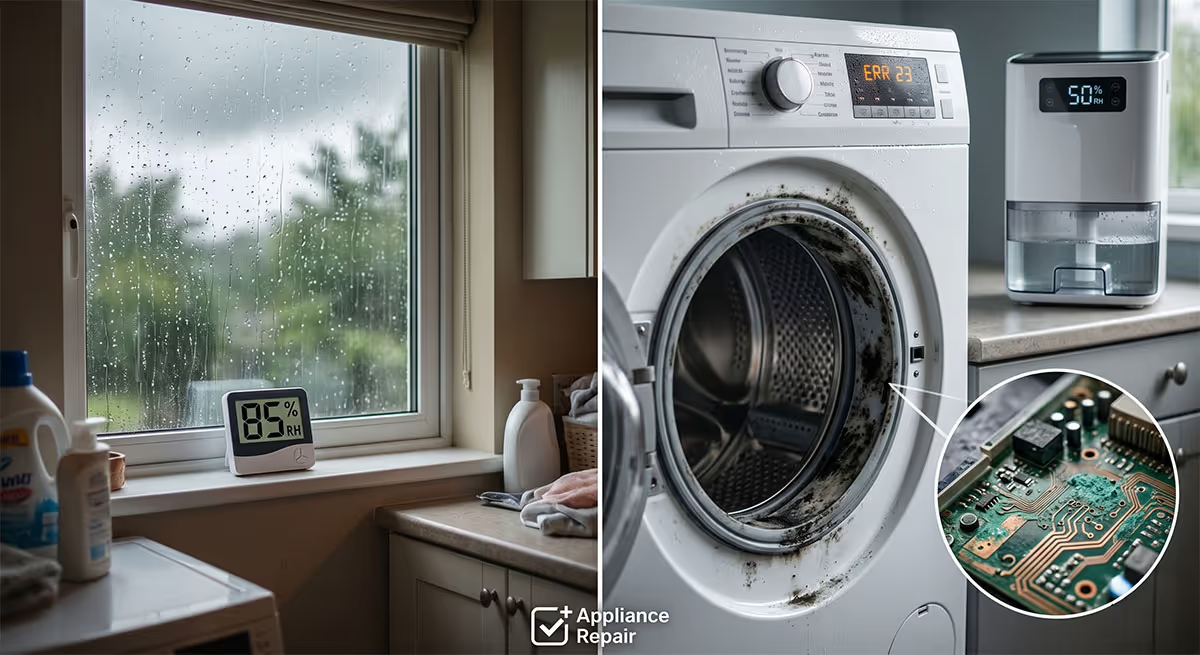
When the rainy season arrives, most homeowners are focused on checking their roofs for leaks and keeping mud out of the hallway. But while you are busy weatherproofing the outside of your house, the high humidity that accompanies the wet season is quietly wreaking havoc on the expensive machines inside.
At A+ Appliance Repair, we see a massive spike in specific types of appliance failures during periods of heavy rain and high humidity. The culprit isn’t flooding—it’s the invisible moisture suspended in the air.
Here is exactly how high humidity destroys your home appliances and what you can do to protect your investment.
The Science of Condensation in Electronics
Your appliances aren't completely airtight. The warm, moisture-laden air of the rainy season easily seeps into the internal cabinets of your refrigerator, washing machine, oven, and dishwasher.
The problem begins when the temperature fluctuates. When an appliance is running, it generates heat. When it turns off and cools down, the humid air trapped inside hits the cooler internal surfaces. This causes the airborne moisture to undergo condensation, transforming from an invisible gas into microscopic water droplets that coat the inside of your machine.
Rust, Corrosion, and the Slow Decay
Over time, those microscopic water droplets trigger a chemical reaction on bare metal components.
- Rust: The heavy steel frames, drum bearings, and motor housings of your appliances will slowly begin to oxidize and rust. This weakens the structural integrity of the machine and causes moving parts to grind and screech.
- Corrosion: The most vulnerable parts of modern appliances are the delicate green computer motherboards (control boards) that run the machine. When condensation forms on a control board, it corrodes the tiny copper pathways and soldering joints. This leads to glitchy behavior, unresponsive touchpads, and flashing error codes.
The Catastrophic Short Circuit
While corrosion is a slow death, condensation can also cause instantaneous failure. Water is an excellent conductor of electricity. If enough moisture condenses inside an appliance, a single water droplet can bridge the gap between two electrical contacts on a control board or motor relay.
When the machine is powered on, the electricity travels through the water drop to areas of the board it was never meant to reach. This causes a catastrophic short circuit, instantly frying the motherboard and turning your expensive smart appliance into a heavy paperweight.
Toxic Mold and the Rubber Seal Menace
Humidity doesn’t just destroy metal and electronics; it creates the perfect breeding ground for biological hazards. This is incredibly common in front-loading washing machines.
Washing machines have a thick rubber gasket around the door to prevent water from leaking onto your floor. During the dry season, the residual water inside the drum eventually evaporates. But during the rainy season, the ambient air is already fully saturated with moisture. The inside of your washing machine never truly dries out.
The dark, damp, and humid environment inside the rubber seal becomes a greenhouse for toxic black mold and mildew. Not only does this degrade the rubber (causing leaks), but it also makes your freshly washed clothes smell like a damp swamp.
How to Protect Your Appliances
You can’t control the weather, but you can control the environment directly around your machines.
- Deploy a Dehumidifier: If your laundry room or kitchen feels sticky and damp, run a dehumidifier. Pulling the excess moisture out of the air drastically reduces the amount of condensation that can form inside your electronic control panels.
- The Open-Door Policy: Never close your washing machine door immediately after a cycle. Leave the door wide open—along with the detergent dispenser drawer—for at least a few hours to allow maximum airflow. Wipe down the rubber gasket with a dry microfiber cloth after your last load of the day.
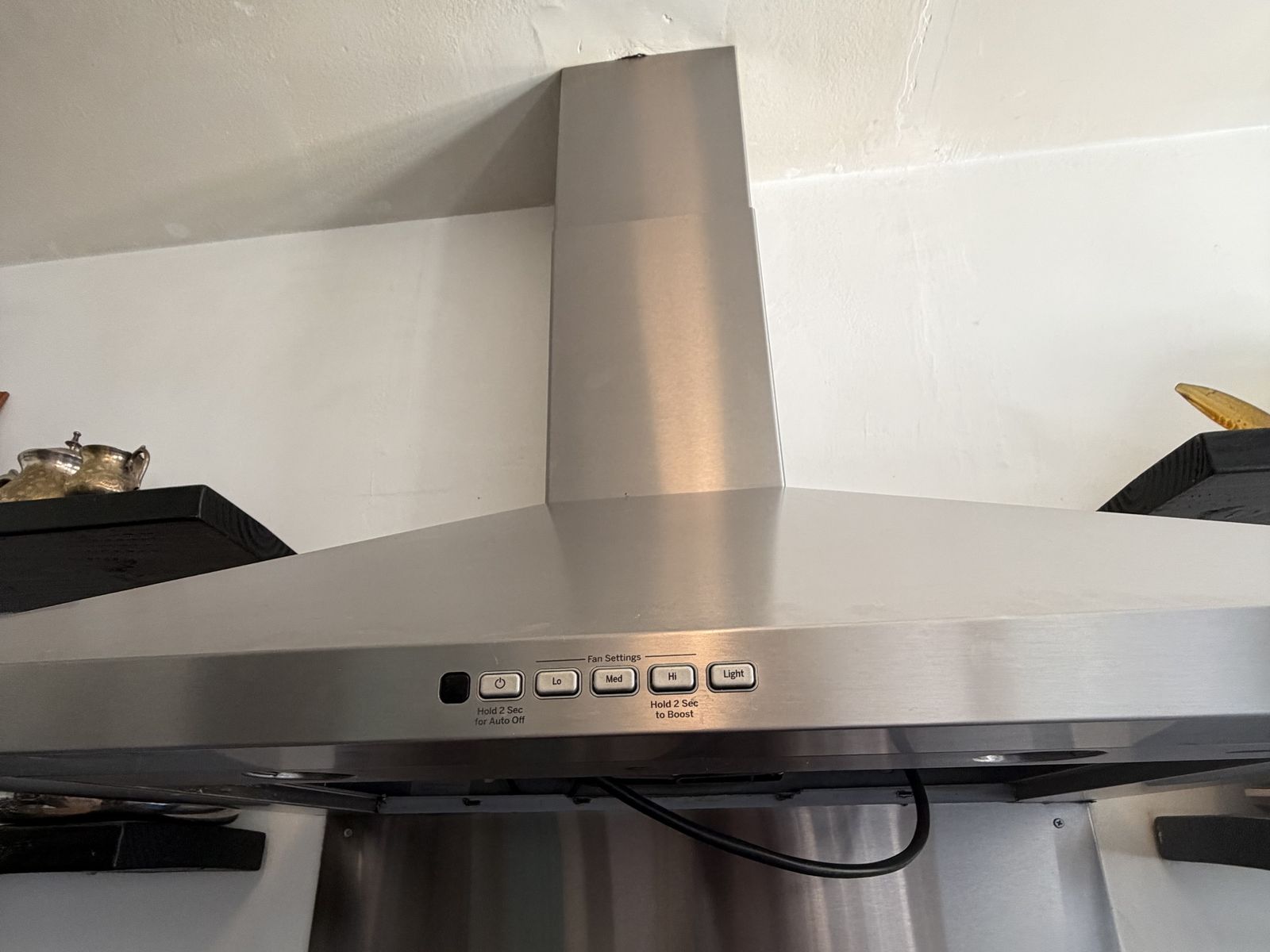
- Use Exhaust Fans: Whenever you are boiling water on the stove or running the dishwasher (which releases a massive cloud of steam when opened), make sure your kitchen exhaust fan is running to pull that moisture out of the room.
- Mind the Gap: Ensure your refrigerator has at least two inches of clearance on all sides and the back. Proper airflow prevents warm, damp air from getting trapped around the compressor and condenser coils.
If the rainy season has already taken its toll and your appliances are glitching, short-circuiting, or smelling of severe mildew, it might be time for professional intervention. The technicians at A+ Appliance Repair can replace corroded control boards, swap out moldy door boots, and get your household running safely again.




.svg)












.avif)



.svg.avif)

.avif)
.avif)










.avif)








.avif)



.avif)



.avif)




.avif)


.avif)

.avif)





.avif)
.avif)
.avif)
.avif)
.avif)
.avif)
.avif)
.avif)
.avif)