

Refrigerator Not Cooling? Discover Common Causes Now
A refrigerator that stops cooling is a household emergency. This guide helps you troubleshoot common culprits like dirty condenser coils, failed fans, and defrost system malfunctions. Discover safe DIY fixes, learn when to replace your unit, and find out when to call A+ Appliance Repair and Maintenance to save your groceries.
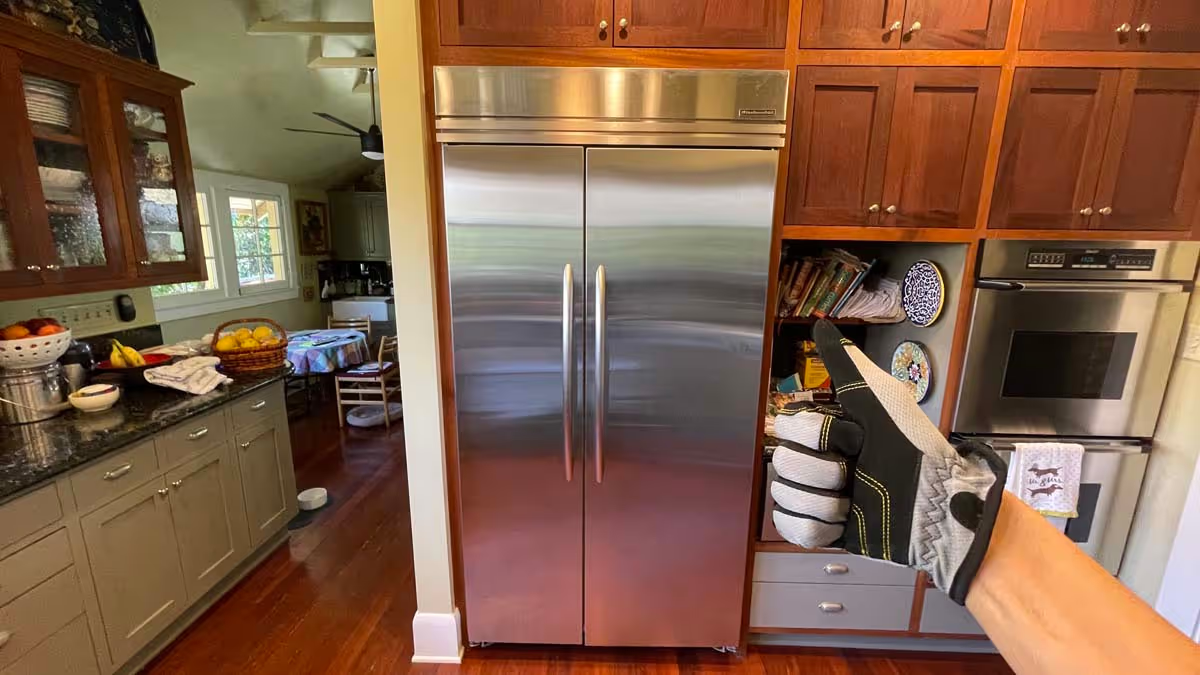
There is nothing quite as sinking as the feeling you get when you open your refrigerator door and realize the milk is warm. A refrigerator is the one appliance in your home that cannot take a day off. When it stops cooling, you are on a ticking clock to save hundreds of dollars in groceries. While a warm fridge often feels like a catastrophe, the cause is not always a total system failure. Often, the issue stems from a maintenance oversight or a small component that has worn out. This guide explores the most common reasons your Samsung or GE fridge might be losing its cool and what you can do about it.
Troubleshooting a Refrigerator That Won't Cool
Before you assume the compressor has died, you need to systematically check the basics. Troubleshooting begins with the simplest explanations. Is the light coming on when you open the door? If not, you may have a power issue rather than a cooling issue. Check your home’s electrical panel to ensure the circuit breaker hasn't tripped. Also, verify that the temperature controls inside the fridge haven't been accidentally bumped to a warmer setting. These simple checks can save you the cost of a service call.
Common Causes of Cooling Failures
If the power is on but the air is warm, you need to look at the mechanical components. The most frequent cause of cooling failure is not a broken part, but a dirty one. Condenser coils are responsible for releasing heat from the fridge. If they are coated in dust, pet hair, and lint, the system cannot dissipate heat, causing the interior temperature to rise. Other common causes include a failing evaporator fan, which circulates cold air, or a start relay that isn't giving the compressor the boost it needs to turn on.
Understanding Compressor and Sealed System Issues
The compressor is the heart of your refrigerator's cooling system. It pumps refrigerant through the coils to extract heat. If you hear a loud clicking sound coming from the back of your Sub-Zero or KitchenAid unit, the start relay may be failing, or the compressor itself may be seizing up. A low humming sound is normal, but silence or loud banging indicates trouble. If the compressor is running but the fridge is warm, you might have a refrigerant leak, which is a serious issue requiring a licensed technician.
Checking Thermostat and Temperature Settings
Sometimes the problem is the brain of the fridge, not the brawn. The thermostat monitors the temperature and tells the compressor when to run. If the thermostat is faulty, it may never signal the system to turn on, even when the fridge is warm. You can test this by turning the thermostat from the lowest to the highest setting. You should hear a click. If you don't, the thermostat might be dead.
Steps to Troubleshoot Cooling Problems at Home
You can perform several checks without any special tools. Start by listening. If you don't hear the fan running inside the freezer, the evaporator fan motor might be stuck or broken. If you hear the fan but feel no air coming into the fridge compartment, the damper control—a small door that regulates airflow between the freezer and fridge—might be stuck closed.
Verifying Power Supply and Electrical Connections
Ensure the outlet itself is working by plugging in a lamp or phone charger. If the outlet works, inspect the power cord for any damage. Sometimes, the issue is internal wiring. If lights flicker or the fridge turns on and off intermittently, there may be a loose connection on the main control board.
Cleaning Condenser Coils for Better Airflow
This is the single most effective maintenance task you can perform. Unplug the refrigerator and locate the coils, usually found behind a kick plate at the bottom front or on the back of the unit. Use a coil brush and a vacuum with a hose attachment to gently remove the buildup. Cleaning these coils allows the fridge to "breathe" again, often restoring cooling immediately.
The Role of the Defrost System in Cooling
Modern refrigerators are "frost-free," meaning they run a heater periodically to melt ice off the cooling coils. If this system fails, ice builds up and chokes the airflow.
Identifying Frost Buildup on Evaporator Coils
If your freezer is working but your fresh food section is warm, you likely have an airflow problem caused by frost. Open the freezer and look at the back panel. If you see a thick layer of frost or ice crystals, the defrost heater, timer, or thermostat has failed. This ice wall prevents the fan from blowing cold air into the rest of the unit.
Testing Defrost Timers and Heaters
In older models with a mechanical timer, you can use a screwdriver to manually advance the timer to the defrost cycle. If the heater turns on (you might hear a hiss or feel heat), the timer is the problem. In modern electronic fridges, diagnosing the defrost system requires a multimeter to test components for continuity.
Deciding Between Repair and Replacement
When facing a major repair, the financial decision can be tough. You don't want to throw money into a dying machine, but you also don't want to buy a new one if a $100 part will fix the problem.
When Should You Repair or Replace Your Refrigerator?
Use the age of the unit as your guide. If your refrigerator is under 10 years old, it is usually worth repairing, especially if it is a premium brand like Viking or Thermador. However, if the unit is over 15 years old and requires a major component like a compressor or sealed system repair, replacement is often the wiser choice. A good rule of thumb is the 50% rule: if the repair costs more than half the price of a new unit, it is time to upgrade.
Typical Costs for Refrigerator Repairs
Minor repairs, such as replacing a thermostat, fan motor, or door seal, are generally affordable and extend the life of the unit significantly. Sealed system repairs involving refrigerant are more expensive due to the labor and expertise required. A+ Appliance Repair and Maintenance offers transparent upfront pricing, so you can weigh the cost before committing to the work.
Evaluating Replacement Options
If you choose to replace, look for Energy Star-rated models. Modern refrigerators are far more energy-efficient than those from a decade ago, which can lower your utility bills and help offset the purchase price over time.
Preventative Maintenance for Efficient Cooling
You can prevent many cooling failures with a simple routine.
Routine Cleaning Schedules for Coils and Seals
Make a habit of vacuuming the condenser coils every six months. If you have pets that shed, do it every three months. Also, wipe down the door gaskets with warm soapy water to ensure a tight seal. A loose seal lets warm air in, forcing the fridge to work harder.
Best Practices to Avoid Future Breakdowns
Do not overload the fridge; air needs space to circulate. Conversely, do not leave it empty; a full fridge retains cold better than an empty one. Keep items away from air vents to prevent blockages.
Frequently Asked Questions About Refrigerator Not Cooling Issues
Why Is My Refrigerator Running but Not Cooling Properly?
If you hear the motor running constantly but the temperature is rising, dirty condenser coils are the most common cause. The system is trying to cool, but the heat cannot escape. It could also indicate a refrigerant leak or a weak compressor that can no longer build enough pressure to cool the unit.
Can I Fix Refrigerator Cooling Problems Without Professional Help?
You can resolve issues related to dirty coils, blocked vents, and simple part swaps like door gaskets or light bulbs. However, if the problem involves the sealed system (refrigerant), the compressor, or complex electrical diagnosis, you need a licensed technician. Handling refrigerant without a license is illegal and dangerous.
If your troubleshooting doesn't bring the temperature down, don't wait until the food spoils. Contact A+ Appliance Repair and Maintenance for same-day service. Our licensed technicians can diagnose the issue quickly and get your kitchen back to normal.








.svg)











.avif)



.svg.avif)

.avif)
.avif)










.avif)








.avif)



.avif)



.avif)



.avif)


.avif)

.avif)





.avif)
.avif)
.avif)
.avif)
.avif)
.avif)
.avif)
.avif)
.avif)