
Top 10 Essential Appliance Maintenance Tips to Avoid Costly Repairs and Extend Lifespan
Attempting to repair household appliances can save money, but it carries serious risks like electrical shock, gas leaks, and expensive misdiagnoses. This guide covers the essential safety precautions every homeowner must know and explains when calling a licensed technician is the smartest move to protect your home and family.
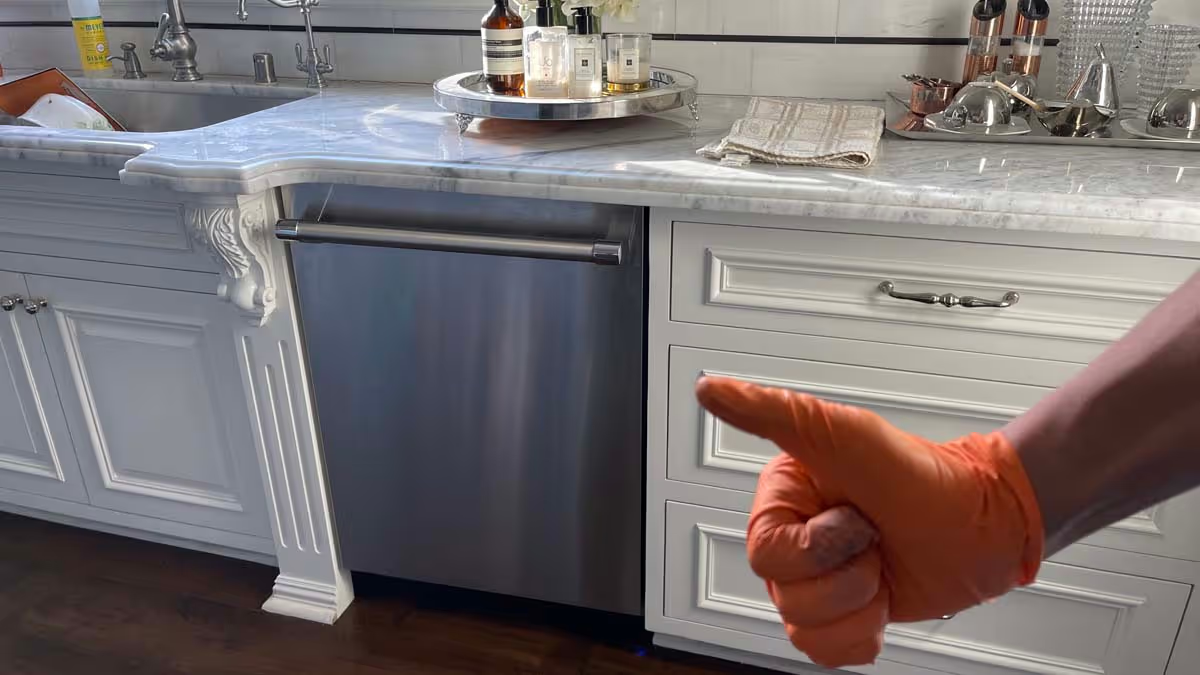
Homeowners often feel a sense of pride when they fix things around the house. However, modern appliances are far more complex than the machines of the past. A high-end Sub-Zero refrigerator or a Wolf dual-fuel range involves sophisticated electronics, high-voltage systems, and sensitive sensors. While basic maintenance is great, attempting a full repair without training can lead to injury or further damage. Understanding the risks involved is the first step in deciding whether to pick up a screwdriver or call A+ Appliance Repair and Maintenance.
Are There Risks in Attempting to Fix My Appliance Without Professional Help?
There are significant risks whenever you open the cabinet of a major household appliance. Manufacturers design these machines to be serviced by trained professionals who understand schematics and safety protocols. When an untrained person attempts a repair, they expose themselves to physical dangers and the appliance to potential ruin.
What Are the Main Risks of DIY Appliance Repair?
The two biggest risks are personal injury and property damage. Appliances are heavy, sharp, and full of moving parts. A washing machine motor can spin unexpectedly if not properly disabled, causing severe hand injuries. Beyond physical harm, there is the financial risk of making the problem worse. A simple broken switch on a Samsung dryer could turn into a fried control board if wires are crossed during a DIY attempt. This turns a cheap repair into a total replacement.
How Can Electrical Hazards Occur During DIY Appliance Repairs?
Electricity is the most immediate danger. Many appliances, like electric dryers and ovens, run on 240 volts, which is enough to cause fatal injury. Even when unplugged, some appliances pose a threat. Capacitors, found in microwaves, air conditioners, and some refrigerator compressors, store high-voltage electricity long after the power is cut. Touching a charged capacitor can deliver a dangerous shock. If you are not trained to discharge these components safely, you are taking a serious gamble.
What Are the Dangers of Gas Leaks When Repairing Appliances Yourself?
Gas appliances require even more caution. If you are working on a gas stove or dryer, you are dealing with a combustible fuel source. A small mistake, like overtightening a fitting or reusing an old seal, can lead to a slow gas leak. This creates a fire or explosion hazard that might not be immediately obvious. Carbon monoxide is another silent killer associated with improper combustion in gas units. Professional technicians carry specialized tools to detect leaks that the average homeowner does not possess.
What Safety Precautions Should Homeowners Take When Repairing Appliances?
If you decide to proceed with a minor repair, safety must be your priority. You should never rush a job or guess how a system works. Preparation and the right environment are key to avoiding accidents.
How Do You Safely Disconnect Power Before Repairing an Appliance?
The golden rule of appliance repair is to cut the power. For most units, this means unplugging the machine from the wall. However, simply flipping a switch is not enough. You must verify that the power is truly off. For hardwired appliances like dishwashers or wall ovens, you must turn off the circuit breaker at the panel. It is smart to place a piece of tape over the breaker switch so no one else in the house accidentally turns it back on while you are working.
What Protective Gear Is Essential for Safe Appliance Repairs?
Professional technicians always wear protective gear, and so should you. Sharp metal edges inside washing machines and dryers can slice skin easily. Heavy-duty gloves protect your hands from cuts and scrapes. Safety goggles are also essential, especially when working with springs, hoses under pressure, or shattered glass. Steel-toed shoes or sturdy boots can prevent injury if a heavy motor or panel falls on your foot during disassembly.
What Are the Most Common Mistakes Made in DIY Appliance Repairs?
Enthusiasm often outpaces expertise in DIY projects. The most frequent error homeowners make is "throwing parts at the problem." They guess what is wrong, buy a part online, and install it, only to find the appliance still does not work.
How Does Incorrect Diagnosis Lead to Further Appliance Damage?
Misdiagnosis is expensive. For example, if your Whirlpool fridge is warm, you might assume the compressor is broken. However, the real issue might be a $20 start relay or a dirty condenser coil. If you attempt to replace the compressor yourself—a job that requires brazing and refrigerant handling—you will likely destroy the fridge permanently. Fixing the wrong part wastes money and often requires taking apart components that were working perfectly fine, increasing the chance of breaking something else.
Why Is Using the Wrong Parts Risky in Appliance Repair?
Not all parts are created equal. Manufacturers use Original Equipment Manufacturer (OEM) parts designed specifically for their machines. Homeowners looking to save money often buy "universal" or aftermarket parts online. These parts may not fit perfectly or handle the electrical load correctly. Using a generic heating element in a Thermador oven might cause wiring to overheat or the control board to fail. Using the wrong part can also void any remaining manufacturer warranty.
When Should You Call a Professional Instead of Attempting DIY Repairs?
Knowing your limits is a sign of a smart homeowner. There is a clear line between cleaning a filter and rebuilding a motor. Crossing that line often costs more in the long run than hiring a professional from the start.
What Signs Indicate That Professional Appliance Repair Is Needed?
You should call a professional if the repair involves gas lines, refrigerant, or complex electrical diagnosis. If you smell burning, see sparks, or detect gas, stop immediately. These are safety emergencies. Additionally, if the appliance is a high-end model like Miele or Viking, the internal computers require diagnostic software that only trained technicians possess. If you have taken the machine apart and cannot remember how it goes back together, it is time to call A+ Appliance Repair and Maintenance.
How Does Professional Repair Reduce Risks Compared to DIY?
Hiring a licensed technician eliminates the guesswork. Professionals carry insurance, meaning you are protected if something goes wrong. They also bring years of experience, allowing them to spot potential future issues that you might miss. Most importantly, professional repairs come with a warranty. At A+ Appliance Repair, we stand behind our work, giving you peace of mind that the job was done safely and correctly.
How Can You Safely Troubleshoot and Repair Appliances at Home?
Safe troubleshooting is about observation, not disassembly. You can learn a lot about what is wrong without ever removing a screw.
What Are Step-by-Step Instructions for Safe Appliance Troubleshooting?
Start by looking, listening, and smelling. Is the display code flashing? Listen for unusual clicks, hums, or grinding noises. Smell for burning rubber or ozone. Check the basics first: is the water turned on? Is the plug secure? Is the door closing all the way? These non-invasive checks solve a surprising number of service calls without exposing you to any risk.
How Can Safety Checklists Prevent Accidents During Repairs?
Before you start any work, run through a mental checklist. Is the power off? Do I have the right tools? Is the area dry? Water and electricity are a deadly combination, so ensure you are not standing in a puddle while testing a washer. Keeping children and pets away from the work area is also a critical safety step that is often overlooked.
What Appliance-Specific Risks Should You Know Before DIY Repairs?
Different appliances present different dangers. A refrigerator poses different risks than a gas dryer.
What Are the Safety Concerns When Repairing Refrigerators and Ovens?
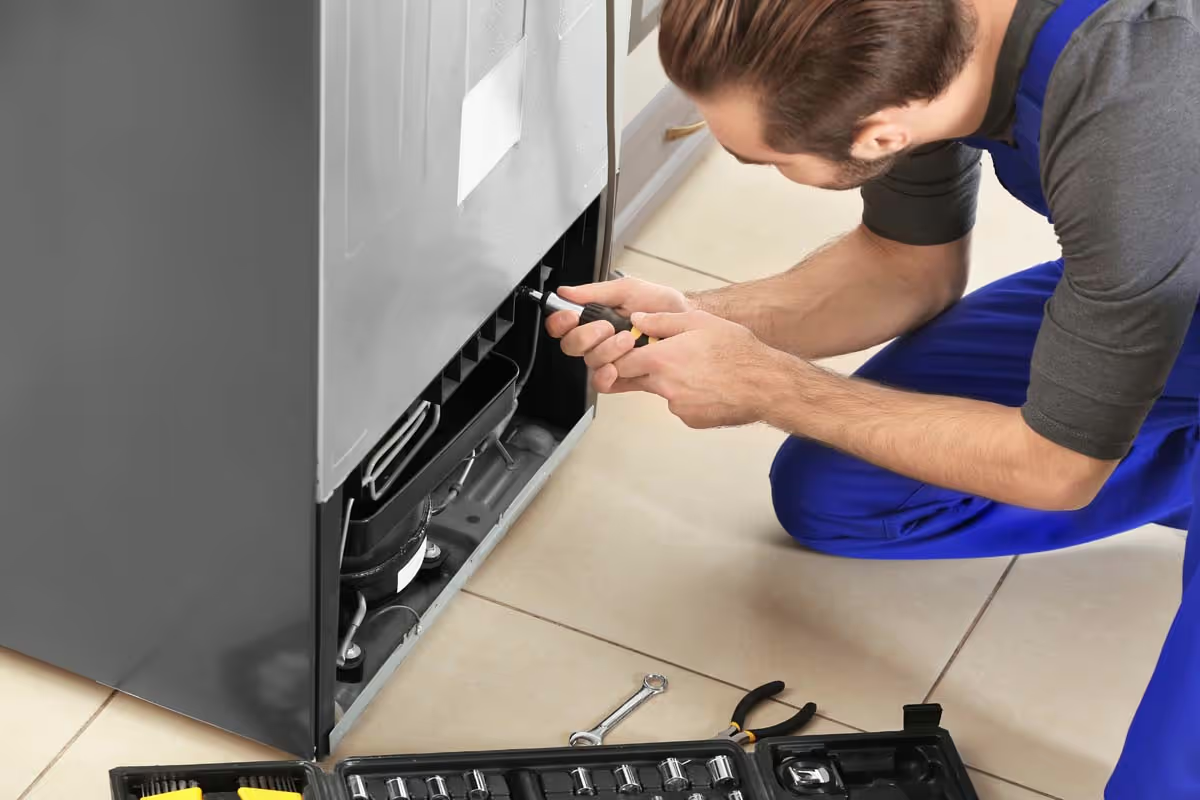
Refrigerators contain refrigerant, a chemical that is regulated by the EPA. Cutting a refrigerant line is illegal and dangerous, as it can cause chemical burns or respiratory issues. Ovens, specifically electric ones, operate on high amperage. A mistake with the wiring can energize the entire metal cabinet of the stove, creating a shock hazard for the next person who touches it. Insulation inside older ovens can also be an irritant if disturbed.
How Do Risks Differ for Dishwashers, Washing Machines, and Dryers?
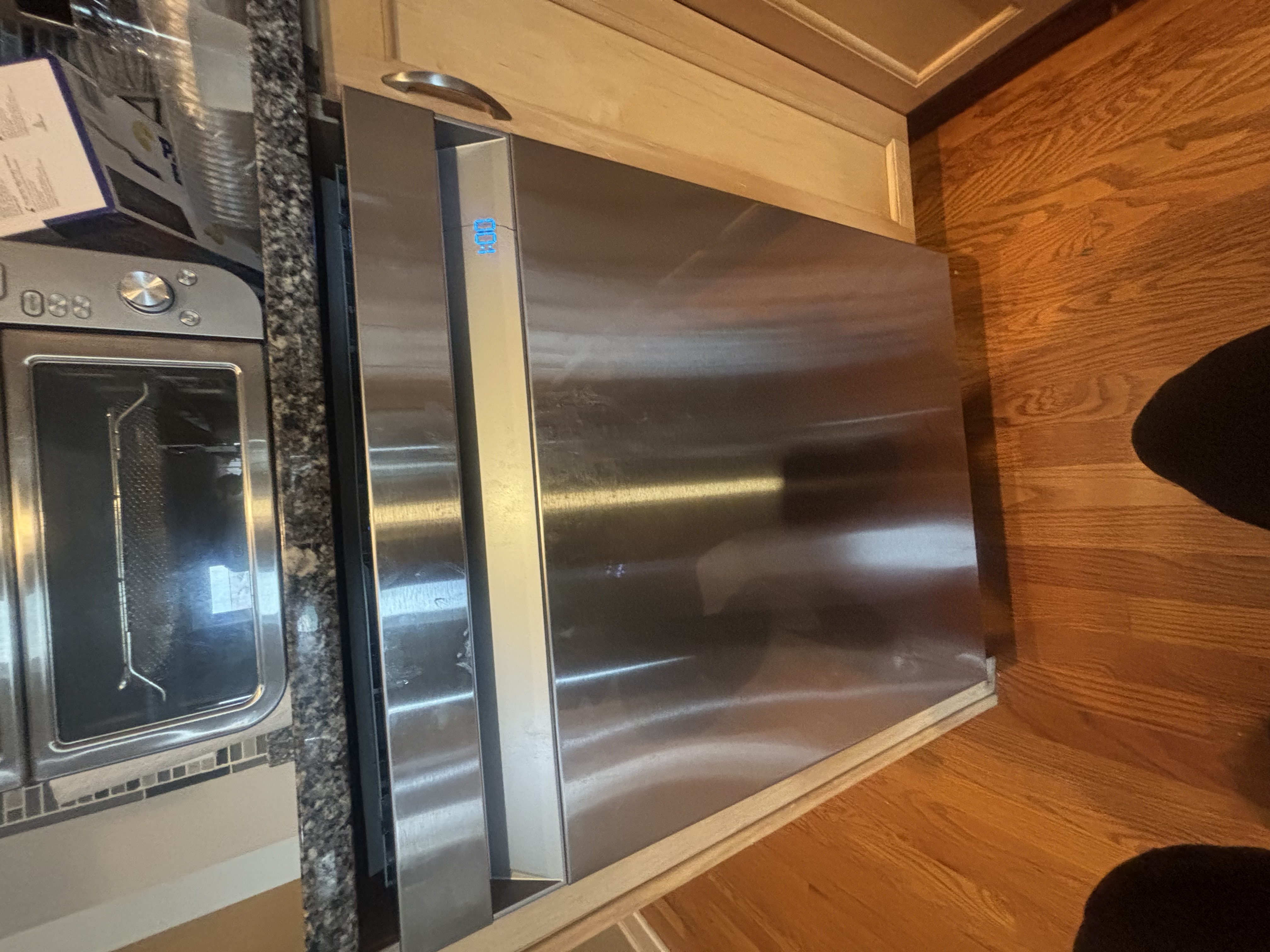
Dishwashers and washing machines combine electricity with water. The biggest risk here is failing to seal the unit properly after a repair, leading to slow leaks that rot floors over months. Dryers are unique because they deal with lint, which is highly flammable. If you reassemble a dryer incorrectly and restrict the airflow, or if you strip a wire near the heating element, you create a significant fire hazard.
When in doubt, the safest option is always to consult a professional. A+ Appliance Repair and Maintenance offers appliance repair with transparent pricing and licensed, insured experts who prioritize your safety above all else.