

Signs Your Washing Machine is Failing
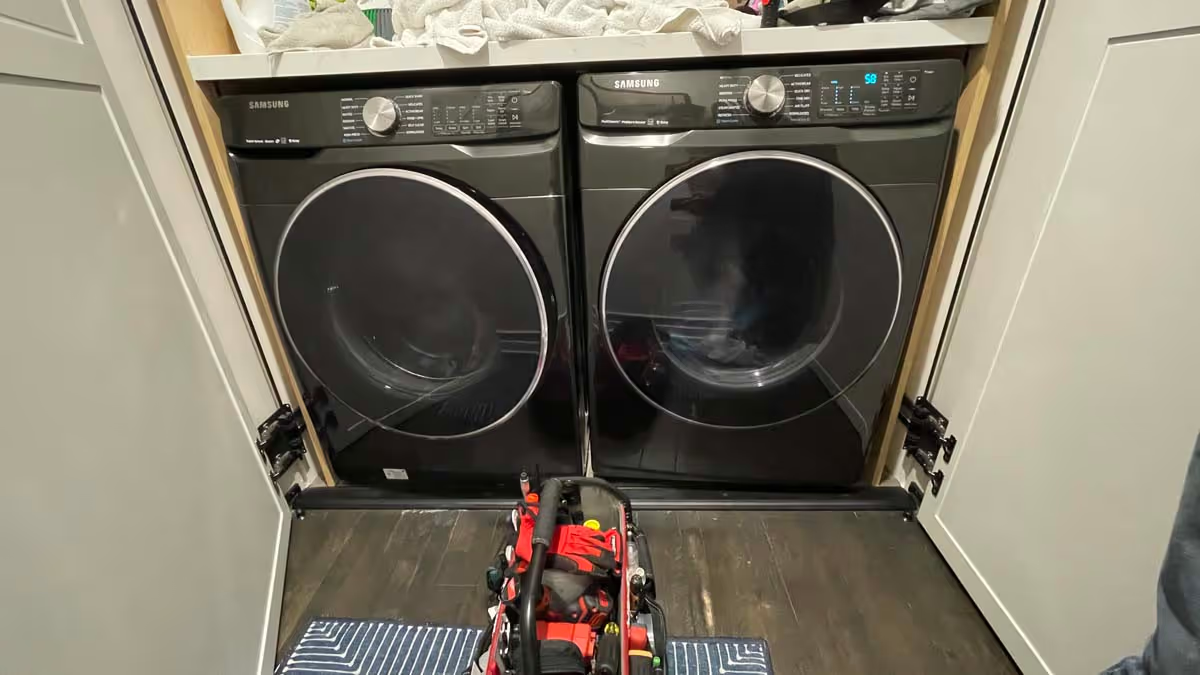
A reliable washing machine is the unsung hero of a busy household. You likely take it for granted until the moment you press "Start" and nothing happens, or worse, you walk into a laundry room flooded with soapy water. Catching the early warning signs of appliance failure can save you from costly water damage and the inconvenience of a laundromat trip. By paying attention to how your machine sounds and behaves, you can often fix small issues before they become permanent breakdowns.
Symptoms of Failing Laundry Machines
The decline of a washing machine is rarely sudden. Usually, the machine gives you several hints that components are wearing out. Recognizing these symptoms allows you to schedule a service call with A+ Appliance Repair and Maintenance while the unit is still salvageable. The most obvious indicators are auditory and visual. If your machine has started to sound like a jet engine taking off, or if you find puddles of water on the floor, these are immediate red flags. Other signs are more subtle, such as clothes coming out soaking wet, the cycle stopping mid-wash, or the door refusing to unlock. Additionally, if your energy or water bills have spiked without a change in usage, your Whirlpool or Maytag washer might be struggling to operate efficiently.
Recognizing Unusual Noises and Vibrations
Washing machines vibrate by design, but violent shaking or "walking" across the room is not normal. This usually indicates that the machine is not level or that the suspension rods and shock absorbers have failed. Loud grinding noises during the agitation cycle often point to worn tub bearings. If you hear a high-pitched squeal, the drive belt may be slipping or fraying. Ignoring these sounds can lead to the drum coming loose and damaging the internal tub, which is often a repair that costs more than the machine is worth.
Water Leaks and Potential Damage
Water belongs inside the drum, not on your floor. Leaks are a serious symptom that can cause long-term structural damage to your home. Small drips at the back of the machine usually mean the fill hoses are loose or the rubber washers inside them have dried out. However, if water leaks from underneath the unit during a cycle, you likely have a cracked drain pump or a hole in the internal tub. Front-loading LG or Samsung washers frequently develop leaks around the front door gasket if the rubber becomes torn or caked with debris.
Detecting Early Dryer Issues
While the focus is often on the washer, your dryer is the other half of the team. A failing dryer can be a fire hazard, so spotting issues early is critical for safety. If the dryer drum spins but makes a thumping sound, the support rollers may be worn flat. If it squeaks rhythmically, the idler pulley or belt tensioner usually needs replacement.
Why Is Your Dryer Not Heating Properly?
If your clothes are tumbling but coming out damp and cold, the heating system has failed. In electric dryers, this is often due to a burned-out heating element. In gas dryers, it could be a weak igniter or faulty gas valve coils. Sometimes, the issue is a safety mechanism called a thermal fuse. If the dryer overheated due to a clogged vent, the fuse blows and cuts power to the heater to prevent a fire.
Causes of Extended Drying Times
If you have to run the dryer two or three times to dry a single load of towels, you have an airflow problem. This is rarely a machine fault and almost always a venting issue. Lint buildup in the exhaust duct restricts air, causing moisture to stay trapped in the drum. This forces the dryer to work harder and longer, wearing out the motor prematurely. Cleaning your vents is the best way to restore performance.
Common Mechanical Failures
Beyond noise and leaks, mechanical failures can stop a wash cycle dead in its tracks. Understanding these mechanics helps you describe the problem accurately when calling for appliance repair near me.
Identifying Drainage and Spinning Issues
A washer that won't drain or spin leaves you with a heavy, sodden mess. If the water remains in the tub, the drain pump is likely clogged with a sock, coin, or lint. If the water drains but the drum refuses to spin, the lid switch, drive belt, or motor coupling may be broken. Modern machines will often display an error code to tell you exactly which system is failing.
Faulty Door Locks and Lid Switches
Washing machines have safety switches that prevent the drum from spinning while the door is open. On a top-loader, if the little plastic tab on the lid breaks, the machine will fill with water but never agitate. On front-loaders, the door latch assembly contains an electrical wax motor. If this fails, the door may remain locked forever with your wet clothes inside, or it may refuse to lock at all, preventing the cycle from starting.
When Should You Consider Replacing Your Laundry Machine?
Sometimes, a repair is not the most financial savvy choice. Knowing when to cut your losses prevents you from throwing good money after bad. We recommend using the "50% Rule." If the cost of the repair is more than 50% of the price of a new machine, replacement is the smarter option. Major failures, such as a cracked outer tub, a blown transmission, or a fried main control board on an older unit, are rarely worth fixing. Additionally, if the machine has rusted excessively, those metal flakes will ruin your clothes and signal the end of the unit's life.
The Impact of Age on Performance
The average lifespan of a modern washing machine is about 10 to 13 years. If your unit is approaching this age and suffers a major breakdown, parts may be hard to find or expensive. Older machines are also less energy-efficient. Replacing a 15-year-old washer with a new Energy Star model can save you significant money on water and electricity bills, helping to offset the purchase price.
Preventative Maintenance Essentials
You can extend the life of your appliances significantly with just a few minutes of care each month. Inspect the water fill hoses behind the washer every six months. If you see bubbles, cracks, or rust on the fittings, replace them immediately with braided stainless steel hoses to prevent bursts. Check the pockets of all pants before washing them, as coins and keys are the leading cause of damaged drain pumps.
Tips to Extend Appliance Life
To keep your washer smelling fresh and running smoothly, run a specialized cleaning cycle with a washing machine cleaner or hot vinegar once a month. This removes detergent buildup and mold. For the dryer, clean the lint screen after every single load—no exceptions. Also, ensure the dryer vent hose is not crushed behind the unit, as this restricts airflow and causes overheating.
Basic Troubleshooting Steps
Before you pick up the phone, try these simple troubleshooting steps. They might save you the cost of a service call. If the machine won't start, check the breaker and ensure the plug is secure. If it is vibrating, try pushing down on the opposite corners of the machine to see if it wobbles; adjusting the leveling legs often solves the problem. If the water is not filling, check the inlet screens inside the hose connections for sediment buildup.
When Is Professional Repair Recommended Over DIY Solutions?
If simple checks do not resolve the issue, or if the problem involves internal wiring, motors, or water pumps, it is time to call a professional. A+ Appliance Repair and Maintenance offers same-day service and certified technicians who can diagnose the problem safely. We stand behind our work with a full repair warranty, ensuring your laundry room is back in action quickly and reliably.



.svg)












.avif)



.svg.avif)

.avif)
.avif)









.avif)








.avif)



.avif)



.avif)



.avif)


.avif)

.avif)





.avif)
.avif)
.avif)
.avif)
.avif)
.avif)
.avif)
.avif)
.avif)