

How to Keep Your Kitchen Appliances Running Smoothly
Your kitchen is the heart of the home, but dirty coils and clogged filters can stop the beat. This guide covers the essential cleaning and maintenance steps for your major appliances and explains when a professional tune-up is the best investment. By following these simple daily and monthly tasks, you can prevent expensive breakdowns and keep your kitchen running efficiently.

The kitchen is the busiest room in the house, and your appliances are the hardest working machinery you own. From the refrigerator running 24/7 to the dishwasher handling heavy loads every night, these units endure significant wear and tear. Unfortunately, many homeowners wait until something breaks before paying attention to these machines. Reactive repairs are often expensive and inconvenient. By adopting a proactive maintenance routine, you can extend the lifespan of your Sub-Zero fridge or Wolf range and ensure they perform efficiently for years to come.
Essential Tips for Appliance Care
Maintenance is rarely about complex mechanical work; it is mostly about cleanliness and airflow. The best way to extend the lifespan of your appliances is to keep them free of debris. Dust, grease, and food particles are the enemies of efficiency. When a machine has to work through layers of grime, the motors and compressors run hotter and longer, leading to burnout. Establishing a routine where you wipe down gaskets, clear vents, and empty filters can prevent the majority of common failures.
Proper Refrigerator Care and Cleaning
Your refrigerator is the most critical appliance in the kitchen. To maintain peak performance, focus on the condenser coils. These coils release heat from the fridge. If they are covered in pet hair and dust, the compressor must work overtime to keep your food cold. You should vacuum these coils, usually located at the bottom or back of the unit, every six months. Additionally, inspect the rubber door gaskets. If they are sticky with food residue, the door won't seal tight, allowing cold air to escape. Wiping them with warm soapy water keeps the seal pliable and effective.
How Often Should You Replace Refrigerator Filters and Adjust Temperature Settings?
Water filters should generally be replaced every six months. A clogged filter not only slows down your water dispenser but can also allow contaminants into your ice. Regarding temperature, checking the settings periodically is smart. The ideal fridge temperature is between 37°F and 40°F. If you notice milk spoiling early or ice cream melting, use an external thermometer to verify the internal temperature. If the settings are correct but the temperature is off, you may need appliance repair near me to check the thermostat or sensors.
Troubleshooting and Maintaining Your Dishwasher
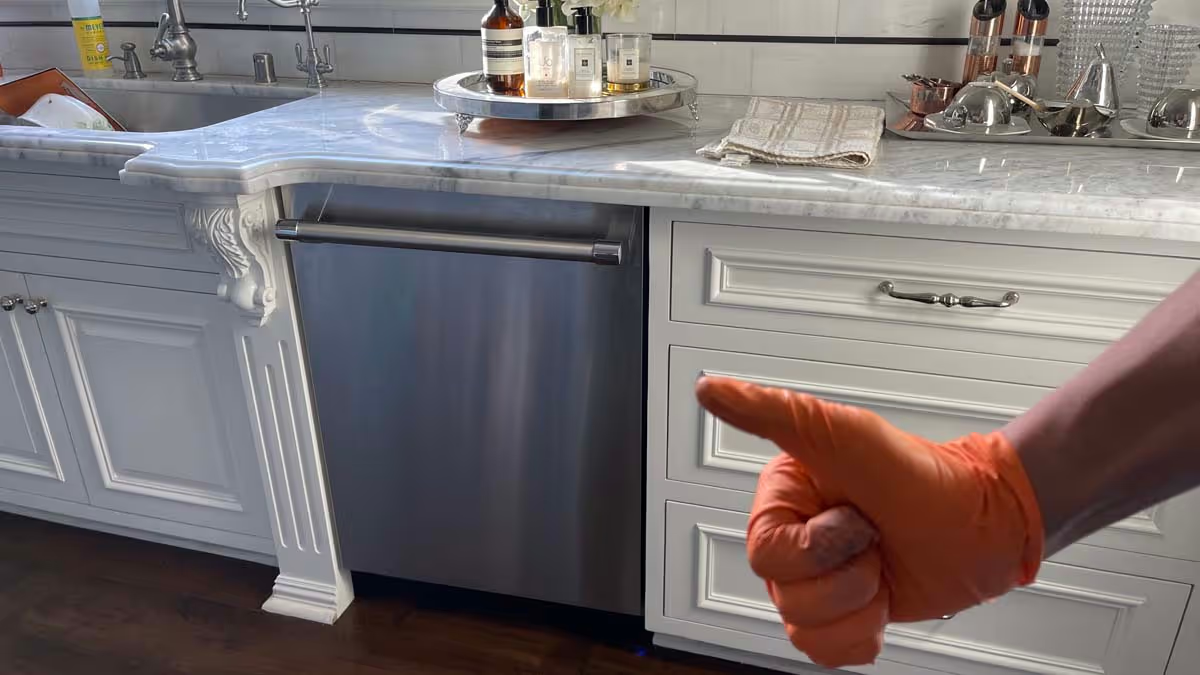
A dishwasher that doesn't clean is just a damp cabinet. To keep it working, you must clean the machine that cleans your dishes. The filter, located at the bottom of the tub, is the first place to look. In European models like Bosch or Miele, this filter catches large food particles. If it gets clogged, water cannot circulate, and your dishes will come out dirty. Rinse this filter under the sink weekly to maintain water pressure.
What Are Common Dishwasher Problems and How Can You Troubleshoot Them?
The most common issues are drainage failures and odors. If your dishwasher smells like a wet dog, it is likely due to trapped food bacteria or mold. Running a cycle with a bowl of white vinegar on the top rack can help sanitize the interior. If the unit is not draining, check the drain hose connection under your sink. Often, debris from the garbage disposal backs up into the dishwasher line. Ensuring the hose has a "high loop" prevents this backflow. If you see an error code flashing on the display, consult your manual immediately, as this often pinpoints specific sensor failures.
Best Practices for Oven Care
Ovens are generally low-maintenance, but they require specific care to cook evenly. The most important task is keeping the interior clean, but be careful with the self-cleaning feature. On older ovens, the extreme heat of the self-clean cycle can sometimes damage sensitive electronic control boards. It is often safer to wipe up spills as they happen. If you notice that your cakes are burning on one side or taking too long to bake, the oven may need calibration.
Checking Heating Elements and Sensors
For electric ovens, visually inspect the heating element. If you see bright spots or blisters on the coil, it is about to burn out and needs replacement. For gas ovens, listen to the ignition. A clicking sound that lasts too long before the gas ignites suggests a weak igniter or clogged burner ports. Keeping the temperature sensor—usually a small metal rod in the back of the oven—free of grease ensures accurate temperature readings.
Cleaning Microwaves and Cooktops
Small major appliances need love, too. Microwaves often suffer from food splatters that harden over time. These food bits absorb energy, which can cause "arcing" or sparks during operation. Steam cleaning the interior by heating a bowl of water for a few minutes makes it easy to wipe away grime. For cooktops, especially glass-ceramic ones, use the correct scraper and cleaner to avoid scratches.
Safely Cleaning Gas Burners
For gas cooktops like those from Thermador or Viking, keeping the burner ports clear is vital for safety. If a port is clogged with grease, the flame will be uneven or yellow instead of blue. Use a straightened paper clip or a needle to gently clear the holes. Never use a toothpick, as it can break off inside the port. Clean the heavy grates in soapy water, but ensure they are completely dry before placing them back on the stove to prevent rust.
Tools, Supplies, and Professional Help
You don't need a toolbox full of wrenches to maintain your appliances. A few simple items are enough. A long-handled coil brush is essential for reaching under the fridge. A multimeter is useful if you know how to test outlets, but for most cleaning tasks, microfiber cloths, white vinegar, and a vacuum with a hose attachment are your best friends. Keep a maintenance checklist on your phone or fridge to track when you last changed the filters or vacuumed the coils.
When Should You Schedule Professional Appliance Maintenance?
While homeowners can handle cleaning, deep mechanical maintenance should be left to the pros. You should schedule professional maintenance once a year, particularly for high-end built-in appliances. A licensed technician can check refrigerant pressures, test electrical amp draws, and inspect gas lines for leaks. If you notice persistent noises, error codes, or performance drops despite your cleaning efforts, call A+ Appliance Repair and Maintenance. We offer transparent pricing and trained expertise to diagnose issues before they become catastrophic failures. Investing in a professional tune-up often saves you the cost of a full replacement down the road.



.avif)




.svg)













.avif)



.svg.avif)

.avif)
.avif)










.avif)








.avif)



.avif)



.avif)



.avif)


.avif)

.avif)





.avif)
.avif)
.avif)
.avif)
.avif)
.avif)
.avif)
.avif)
.avif)