

Steps to Take When Your Appliance Begins Making Unusual Noises or Emitting Odors
Strange noises and odors are often the first warning signs that an appliance is failing. This guide walks you through how to identify specific sounds and smells, troubleshoot common brands like Sub-Zero and Whirlpool, and determine when a DIY fix is safe versus when you need a certified professional from A+ Appliance Repair and Maintenance.
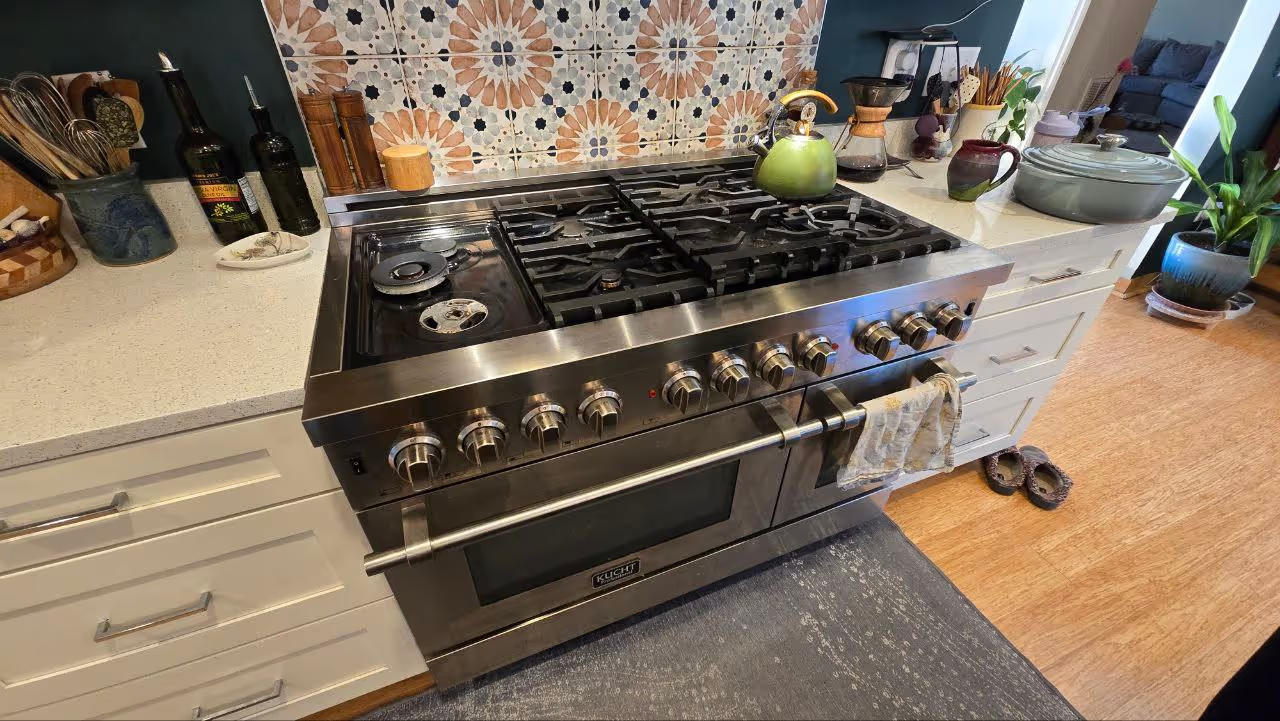
Your home appliances are designed to run quietly in the background. When a refrigerator starts buzzing loudly or a dryer begins to smell like burning rubber, it creates immediate stress. These symptoms are your machine’s way of telling you that something is wrong. Ignoring these signs often leads to more expensive repairs or even permanent damage. This guide will help you understand what your appliance is trying to say and what steps you should take next.
What Should I Do if My Appliance Is Making Strange Noises or Smells?
The very first step is to assess safety. If you smell gas, smoke, or burning plastic, turn off the appliance immediately. For electrical burning smells, unplug the unit from the wall if you can do so safely. If you smell gas near a stove or dryer, shut off the gas supply valve and leave the area. Once the immediate danger is managed, you can begin to investigate the source. Do not continue to run a machine that is making violent noises, as this can turn a repairable part into a total breakdown.
How Can I Identify the Cause of Strange Noises From My Appliance?
Identifying the cause starts with observation. Stand near the appliance and listen closely. Is the noise rhythmic, like a thumping during a spin cycle, or is it constant, like a hum? Try to pinpoint where the sound is coming from. For example, a noise from the back of a fridge usually points to a fan or compressor, while a noise from the bottom often involves the drain pan or condenser.
What Do Different Appliance Noises Mean?
Different sounds indicate different problems. A high-pitched squeal usually suggests a belt is slipping or a pulley is worn out. A grinding noise often means metal parts are rubbing together, which points to worn bearings or a broken motor component. Clicking sounds are electrical; they often happen when a control board relay is trying to engage but failing. Thumping or banging usually indicates a load imbalance or a suspension issue in laundry units.
Which Appliance Components Commonly Cause Unusual Sounds?
Moving parts are the usual suspects. In dryers and washing machines, the drum rollers, belts, and bearings are responsible for most mechanical noises. In refrigerators, the evaporator and condenser fans are common sources of buzzing or rattling. For dishwashers, the drain pump often makes a loud grinding sound if a piece of glass or hard food debris gets stuck inside the impeller.
What Are the Common Causes of Strange Smells Coming From Appliances?
Smells fall into three main categories: burning, chemical, and organic. Burning smells usually come from electrical shorts or friction on rubber belts. Chemical smells, often described as "sweet" or "oily," can indicate a refrigerant leak. Organic smells, like mildew or rotten eggs, usually point to mold growth, trapped food, or a gas leak.
How to Recognize Electrical or Burning Smells in Appliances?
An electrical burning smell has a distinct, acrid odor, similar to hot plastic or ozone. This happens when wiring insulation melts or a motor overheats. If you have a Samsung or LG washing machine, a burning rubber smell often means the door boot seal is rubbing against the spinning drum, or a drive belt is slipping. Any burning odor is a signal to cut power and call for appliance repair near me.
What Does a Moldy or Gas Smell Indicate in Household Appliances?
A musty, moldy smell is common in front-loading washers and dishwashers. This means moisture is trapped in the seals or filters, leading to bacterial growth. A rotten egg smell is far more serious; it indicates a natural gas leak. If you smell this near your Wolf range or gas dryer, it is a safety emergency. You must shut off the gas and ventilate the room immediately.
How Do I Troubleshoot Strange Noises and Smells by Appliance Type?
Troubleshooting becomes easier when you look at the specific machine. Each appliance has unique failure points that produce distinct symptoms.
What Should I Do if My Refrigerator Is Making Clicking or Buzzing Noises?
A loud clicking sound from your refrigerator often comes from the start relay attached to the compressor. If the relay fails, the compressor tries to start, clicks, and then shuts off. A loud buzzing from a high-end Sub-Zero fridge usually points to a dirty condenser coil forcing the compressor to work too hard, or an obstruction hitting the evaporator fan blades. Cleaning the coils is a good first step.
How to Handle Oven Buzzing Sounds and Unusual Odors?
If your electric oven buzzes when you turn it on, the issue is likely a loose heating element or a failing cooling fan. For gas ovens, a gas smell when the unit is off is a major warning sign of a leak. If you smell gas only when the oven is igniting, but it takes a long time to light, the igniter may be weak. This allows gas to build up before the flame catches, which can be dangerous.
What Causes Dishwasher Smells Like Burning Plastic and How to Fix It?
A burning plastic smell in a dishwasher usually happens when a plastic container falls from the rack and lands on the heating element. Pause the cycle and check for fallen items. If the smell persists and smells more like wiring, the control board or door latch mechanism may be melting due to an electrical fault. This requires professional attention from a brand specialist, especially for Bosch or Miele units.
How to Address Washing Machine Loud Noises and Strange Odors?
Loud noises during the spin cycle, often sounding like a jet engine, indicate that the tub bearings have failed. This is a major repair. Strange odors in washers are usually mildew. Run a specialized cleaning cycle with hot water and vinegar or a washer cleaner tablet. Leaving the door open between loads helps the drum dry out and prevents smells from returning.
What Are the Steps to Fix Dryer Rattling Noises or Gas Smells?
Rattling in a dryer is often caused by loose change or buttons trapped in the drum baffles or blower wheel. If the noise is deeper, like a rumble, the drum support rollers are likely worn. If you have a gas dryer and smell a faint gas odor, check the flexible gas line behind the unit for kinks or damage. Never test for leaks with a flame; use a soapy water solution to look for bubbles.
When Should I Call a Professional for Appliance Noises or Smells?
While cleaning a filter is a safe DIY task, internal mechanical and electrical repairs are risky. You should call a professional if the solution involves taking apart the motor, handling refrigerant, or working with gas lines.
What Are the Warning Signs That Require Expert Appliance Repair?
Immediate red flags include sparks, smoke, flames, or the smell of gas. Additionally, if a noise is accompanied by a burning smell, the machine is damaging itself with every second it runs. Complex error codes on digital displays for brands like Thermador or Viking also indicate that a certified technician with diagnostic tools is needed.
How to Find Reliable Appliance Repair Services Near Me?
Look for a company that offers transparent pricing and warranties on their work. A+ Appliance Repair and Maintenance employs certified technicians who are trained to handle high-voltage and gas systems safely. We offer same-day service and waive the service call fee with any completed repair, ensuring you get honest value.
How Can I Prevent Strange Noises and Smells in Appliances?
Prevention is always cheaper than repair. Keeping your appliances clean and used according to the manual prevents most odor and noise issues.
What Maintenance Tips Help Avoid Appliance Noise and Odor Issues?
Clean your dryer lint trap after every load to prevent burning smells. vacuum refrigerator condenser coils once a year to keep the compressor quiet. regularly clean the filter in your dishwasher to prevent grinding noises and food odors. Avoid overloading your washer, which puts stress on the bearings and suspension.
How Often Should I Inspect and Service My Appliances?
A general inspection should happen annually. Check hoses for cracks, listen to the machines while they run, and clean any accessible filters. For high-end appliances, a professional maintenance check every year can catch wearing parts before they break.
What Are the Most Common Appliance Problems Linked to Noises and Smells?
Most noise and smell complaints trace back to three issues: lack of maintenance (dirty filters/coils), wear and tear (belts/bearings), or component failure (motors/boards).
How Do Water Leaks and Electrical Failures Cause Strange Appliance Sounds?
Water leaks can rust bearings, causing grinding sounds. Water dripping onto electrical contacts can cause buzzing or arcing sounds. Electrical failures, like a bad capacitor, often cause a loud hum as the motor struggles to turn.
What Are the Signs That an Appliance Is Broken or Failing?
If your appliance is making loud noises, smells bad, and is not performing its job—like a fridge that is warm or a dryer that is cold—it is failing. Addressing these signs early with A+ Appliance Repair and Maintenance can save the machine and extend its life.









.svg)













.avif)



.svg.avif)

.avif)
.avif)










.avif)








.avif)



.avif)



.avif)




.avif)


.avif)

.avif)





.avif)
.avif)
.avif)
.avif)
.avif)
.avif)
.avif)
.avif)
.avif)