

How to Choose the Best Energy-Efficient Appliances
Upgrading to energy-efficient appliances is one of the smartest financial moves a homeowner can make. This guide explains how to decode Energy Star labels, calculate the Return on Investment (ROI) for new units, and choose the best models for your kitchen and laundry room. Discover how modern tech from brands like Samsung and Sub-Zero can lower your monthly expenses while protecting the environment.
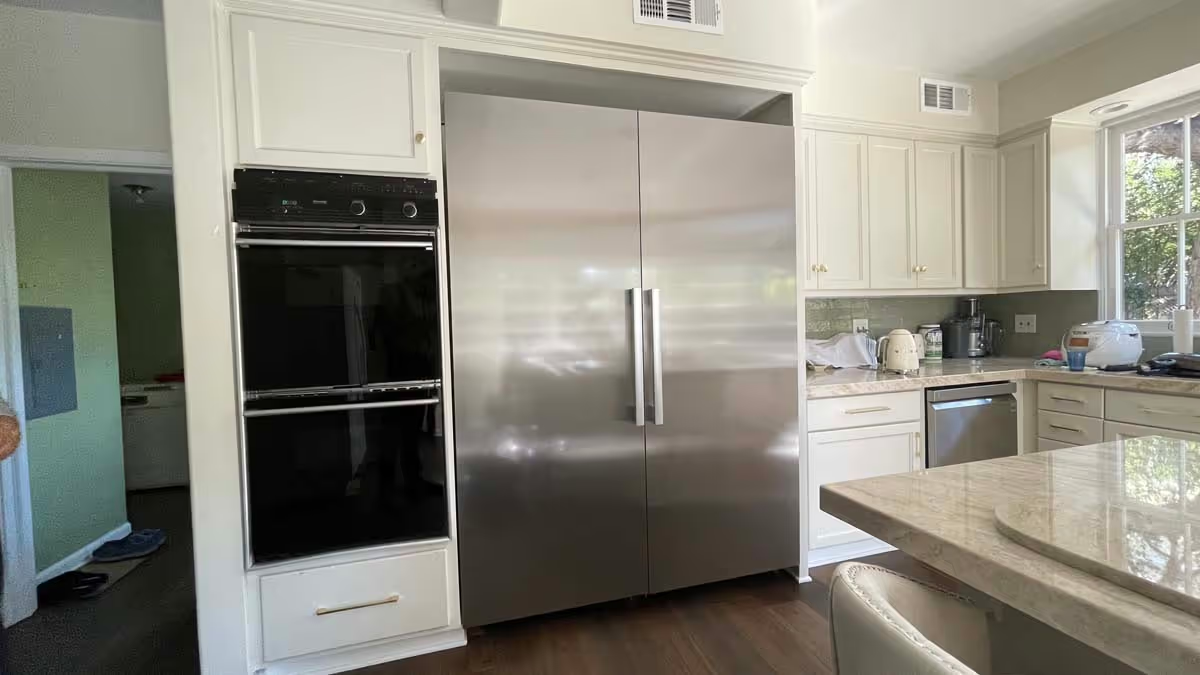
Rising utility costs are a concern for almost every household. When an old refrigerator hums loudly or a dryer takes two cycles to finish a load, it is not just annoying—it is expensive. Modern appliances offer a solution through advanced engineering designed to do more with less. Investing in energy-efficient models is not just about being "green"; it is about long-term financial strategy. This guide breaks down the technology, the savings, and the smart choices available for homeowners in 2026.
1. Understanding Energy Efficiency
To make smart buying decisions, you first need to understand what makes a machine "efficient." It is not simply about using less power; it is about maximizing performance while minimizing waste.
What Are Energy-Efficient Appliances and Why Do They Matter?
Energy-efficient appliances utilize advanced technology to perform their tasks using the minimum amount of electricity, gas, or water required. Unlike older models that run at full power regardless of the load, modern units use sensors and variable-speed motors to adjust their output. For example, an efficient washing machine might weigh the clothes before determining how much water to add. These appliances matter because they directly reduce your monthly overhead. Over the lifespan of a unit, the energy savings can often pay for the appliance itself.
Decoding the Labels: What Does Energy Star Certification Mean?
The blue Energy Star label is the most recognizable symbol for efficiency in the United States. This government-backed certification indicates that an appliance meets or exceeds strict efficiency guidelines set by the EPA. An Energy Star-certified refrigerator, for instance, uses significantly less energy than a standard model—sometimes less than a 60-watt light bulb. When you see this label, you know the product has been independently tested to deliver energy savings without compromising on features or performance.
The Technical Side: How Do Efficiency Ratings Like EER and SEER Affect Performance?
While you often see EER (Energy Efficiency Ratio) and SEER (Seasonal Energy Efficiency Ratio) on air conditioning units, the concept applies across all appliances: higher numbers generally mean better efficiency. For kitchen and laundry units, you will often look at Kilowatt-hours (kWh) per year or the Integrated Modified Energy Factor (IMEF). A higher efficiency rating means the internal components, such as the compressor in a Sub-Zero fridge or the motor in an LG washer, are designed to transfer energy more effectively. This results in less heat generation, quieter operation, and lower electricity draw.
2. The Financial Impact: ROI and Incentives
Many homeowners hesitate at the checkout counter because efficient models often have a higher upfront cost. However, looking at the sticker price alone is a mistake. You must consider the Total Cost of Ownership (TCO).
The Sticker Price vs. The Energy Bill: Understanding Long-Term Value
A standard dishwasher might cost $500, while a high-efficiency Bosch model might cost $800. If the efficient model saves you $40 a year on water and electricity, the price difference is recovered in roughly seven years. Since these machines often last 10 to 12 years, the remaining years represent pure profit in the form of savings. Additionally, efficient units often suffer less wear and tear because they run cooler and smoother, potentially reducing the frequency of calls for appliance repair near me.
How Can You Calculate Cost Savings With Energy-Efficient Appliances?
Every new appliance comes with a yellow EnergyGuide label. This tag provides a standardized estimate of the unit's annual operating cost and energy consumption compared to similar models. To calculate your specific savings, look at your current utility bill to find your cost per kWh. Multiply that rate by the estimated kWh usage on the yellow tag. Comparing this number against the estimated usage of your old, existing unit will show you exactly how much cash you will save each month.
Maximizing Returns: Which Rebates and Incentives Are Available in Your State?
To encourage energy conservation, federal and state governments, along with local utility companies, often offer rebates for buying Energy Star-rated appliances. These financial incentives can significantly offset the higher initial purchase price. In some cases, you can receive a check in the mail simply for recycling your old, inefficient refrigerator. Always check the "Rebates" section on the Energy Star website or your local power company’s portal before making a purchase.
3. Best-in-Class Appliances for 2026
Technology moves fast. The appliances of 2026 are far superior to those from even five years ago. Knowing what to look for helps you get the best performance for your money.
Kitchen Upgrades: What Are the Top Energy-Efficient Refrigerators and Dishwashers?
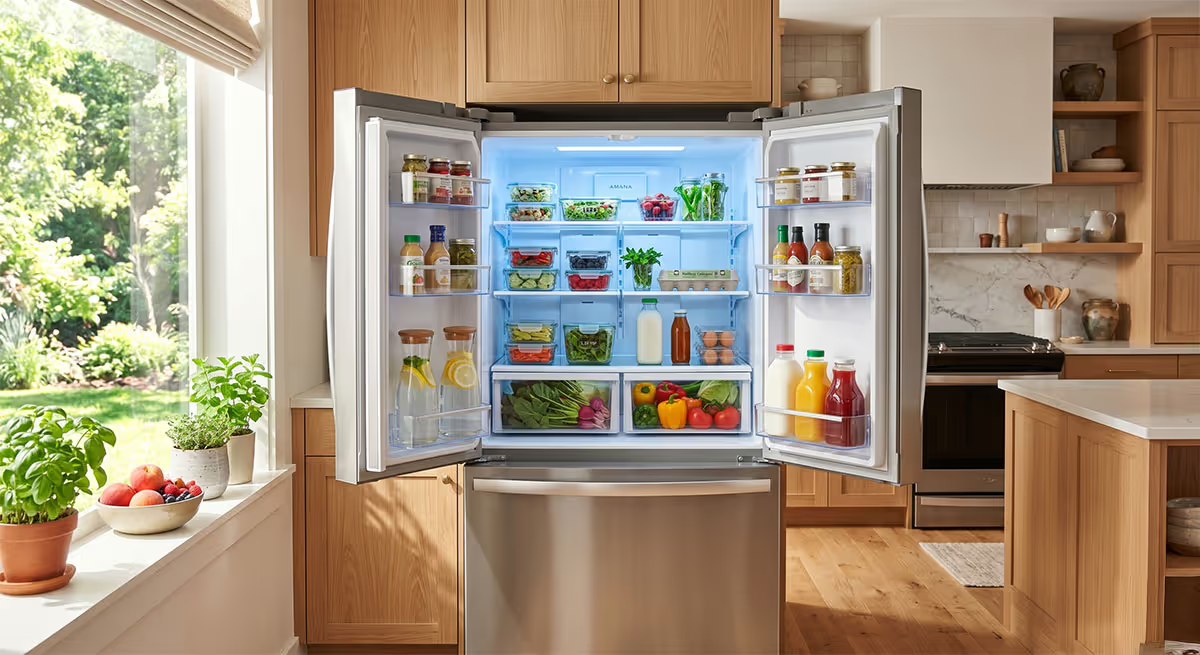
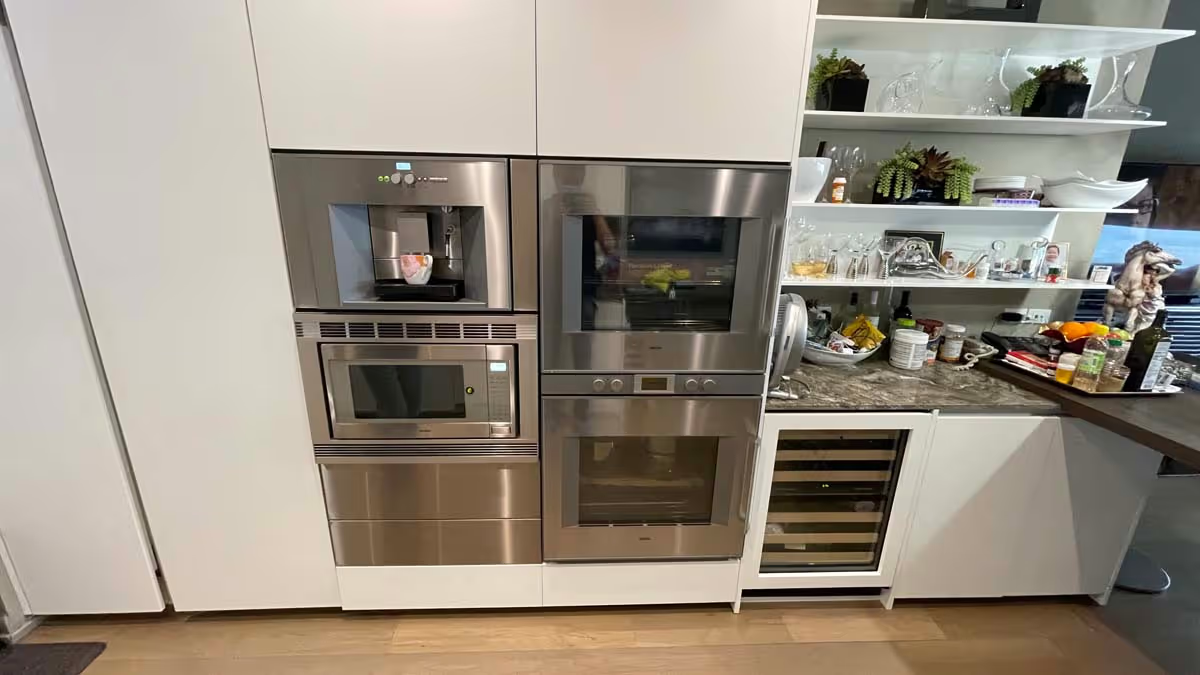
In the kitchen, the refrigerator is the biggest energy consumer because it never turns off. The most efficient models today use "inverter" compressors. Unlike old compressors that simply blast cold air and then shut off, inverter compressors run continuously at variable speeds to maintain a steady temperature using very little power. Brands like Samsung and GE have perfected this. For dishwashers, look for models with soil sensors. These machines detect how dirty the water is and adjust the cycle length accordingly, ensuring you never use more hot water than necessary.
Laundry Room: Identifying the Best Washers and Dryers for Water and Power Savings
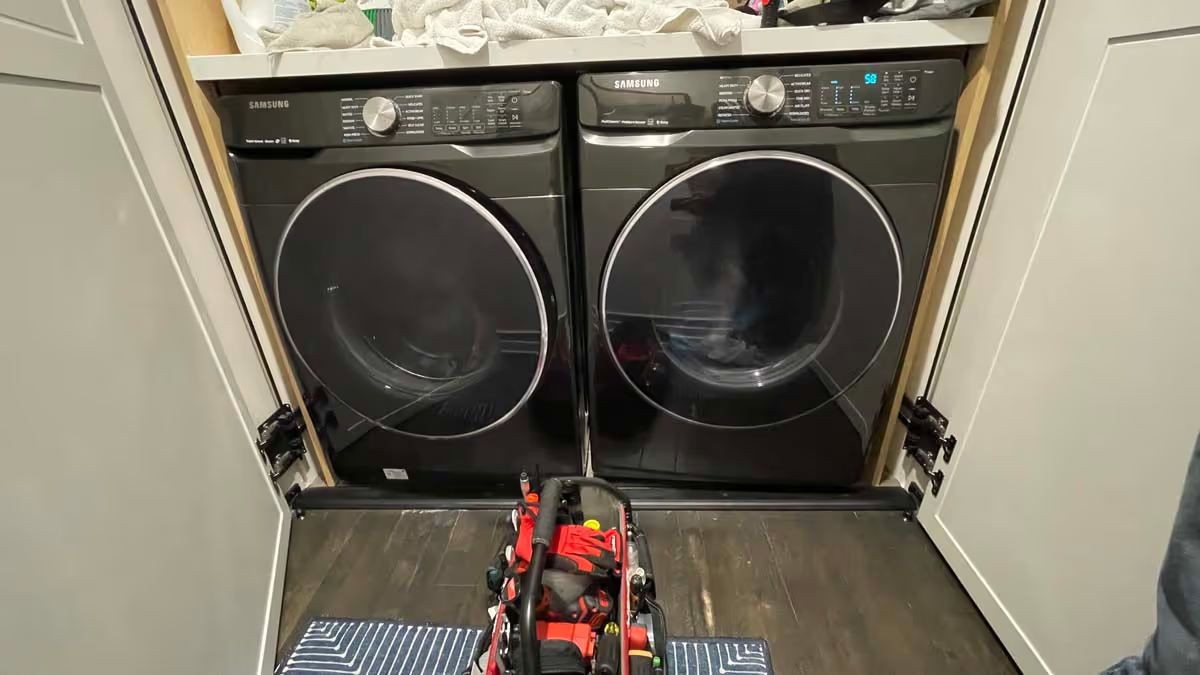
The laundry room is a prime target for efficiency. Front-loading washing machines are generally more efficient than top-loaders because they use gravity to tumble clothes through a small amount of water rather than filling a deep tub. For dryers, heat pump technology is the gold standard. A heat pump dryer from a brand like Miele recycles hot air rather than venting it outside. While drying times are slightly longer, these units use a fraction of the electricity of conventional dryers.
The Tech Factor: How Do Smart Features Enhance Energy Efficiency?
Smart appliances are not just about convenience; they are about energy management. Wi-Fi-enabled units can connect to your smartphone, allowing you to schedule cycles during "off-peak" hours when electricity rates are lower. Some Whirlpool and Thermador smart appliances can even respond to signals from the utility grid to reduce power consumption during high-demand periods, further lowering your bills.
4. How to Select the Perfect Model
Buying the most efficient appliance on the market is not always the right choice if it does not fit your specific lifestyle.
Sizing Up: How to Choose the Right Capacity for Your Home
Efficiency is relative to size. A massive refrigerator that is Energy Star certified is still wasteful if it sits half-empty in a single-person household. It takes energy to cool that empty air. Conversely, buying a washing machine that is too small forces you to run multiple loads, which wastes water and power. Choose a capacity that matches your family’s actual needs to ensure you are operating at peak efficiency.
What Factors Should You Consider Before Buying?
Beyond size, consider your water heater type and local utility rates. If you have expensive gas but cheap electricity, an electric heat pump dryer makes sense. Also, consider the physical space. High-efficiency machines, especially heat pump dryers, often have different venting requirements or slightly different dimensions than older units. Ensure you measure your space carefully.
Tools of the Trade: How Do Energy Savings Calculators Help in Selection?
Before heading to the store, utilize online energy savings calculators provided by the Department of Energy or manufacturers. these tools allow you to input the model numbers of potential purchases to see a side-by-side comparison of lifetime energy costs. This data-driven approach removes the guesswork and helps you identify the true value of your investment.
If you are ready to upgrade your home with efficient appliances but need help with installation or maintenance, contact A+ Appliance Repair and Maintenance. Our certified technicians can ensure your new eco-friendly machines are set up correctly for years of reliable savings.









.svg)















.avif)



.svg.avif)

.avif)
.avif)










.avif)








.avif)



.avif)



.avif)



.avif)



.avif)

.avif)





.avif)
.avif)
.avif)
.avif)
.avif)
.avif)
.avif)
.avif)
.avif)