

Troubleshoot Common Appliance Issues Fast
Appliance failures don't always need an immediate service call. This guide walks you through safe troubleshooting for common issues like draining failures, heating problems, and strange noises. Learn how to triage faults quickly and decide when it is time to bring in a certified technician from A+ Appliance Repair and Maintenance.
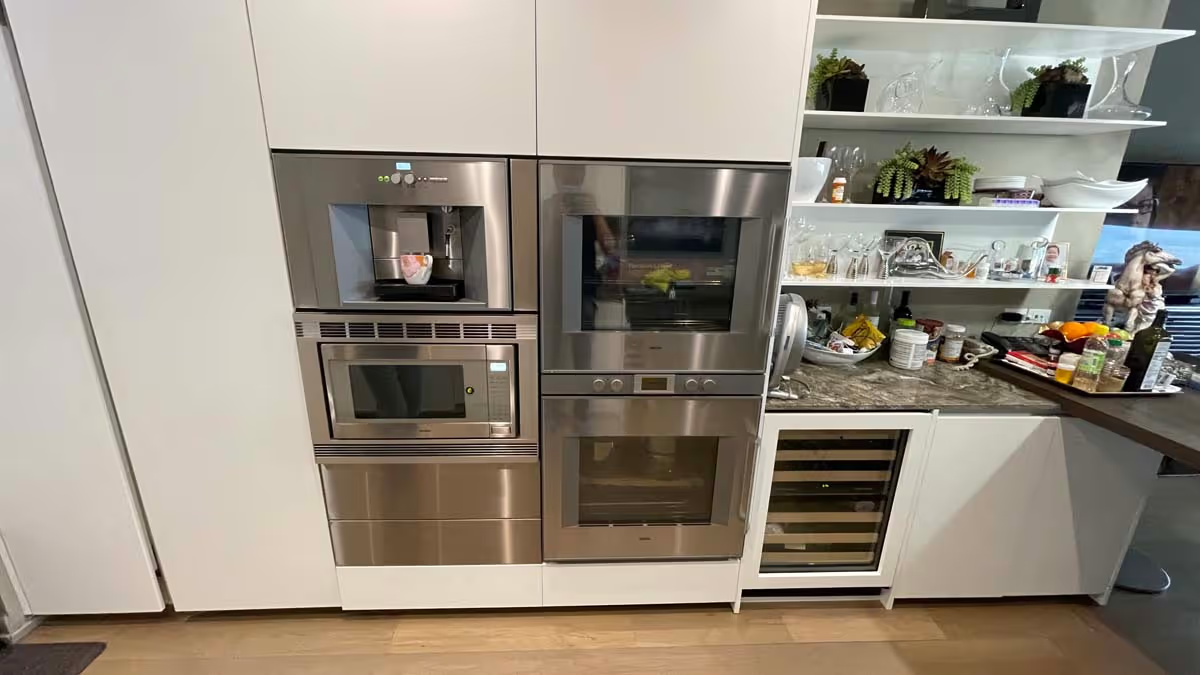
Appliance failures always seem to happen at the wrong time. A broken refrigerator or a washing machine that refuses to drain can throw a wrench into your entire week. However, not every issue requires an immediate service call. This guide will help you triage common faults, perform safe checks, and decide when it is time to bring in a certified technician from A+ Appliance Repair and Maintenance. By following these steps, you can save time, limit damage, and determine if the solution is a simple cleaning or a necessary repair.
Quick Refrigerator Troubleshooting and Repairs
A refrigerator that stops cooling or starts leaking is a major disruption. Before you worry about expensive repairs, start with the basics. First, check the power connection and the thermostat settings to ensure the unit was not accidentally turned off or adjusted. If the lights are on but the air feels warm, check the condenser coils located at the bottom or back of the unit. Dust and debris can clog these coils, making it hard for the fridge to release heat. A simple vacuuming of these coils often helps brands like Samsung or GE run efficiently again.
Finding and Fixing Leaks and Noises
If you find water pooling inside or around the fridge, the issue is often a clogged defrost drain. Food particles can block the drain line, forcing water to overflow. Clearing this line with warm water usually fixes the problem. However, if you hear loud grinding or buzzing noises, the situation may be more serious. A hum is normal, but loud mechanical sounds from a Sub-Zero or KitchenAid unit often point to a failing compressor or evaporator fan. If cleaning the coils and checking the settings does not work, or if you suspect a refrigerant leak, you need a professional diagnosis to prevent permanent damage to the sealed system.
Practical Fixes for Washing Machine Problems
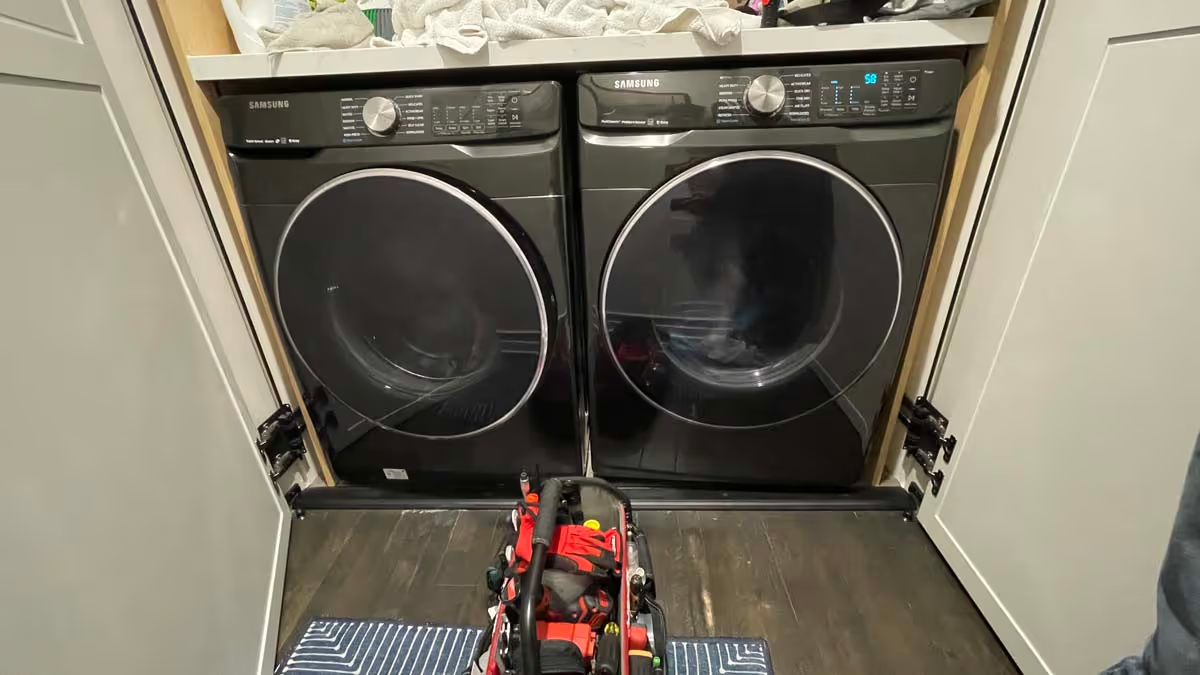
Washing machines generally fail in three ways: they won’t drain, they leak, or they make loud noises. If your washer is full of water and refuses to drain, safety comes first. Unplug the machine and check the drain pump filter, which is often accessible behind a small door on the front of many front-loading models. Lint, coins, and small debris often clog this filter. If the filter is clean, check the drain hose for kinks or blockages. Ensuring the hose is not bent behind the machine can instantly restore drainage.
Leaks and Excessive Vibration
Leaks often stem from loose hose connections or worn door seals. Check the water inlet hoses on the back of the unit to ensure they are tight. On front-loaders, inspect the rubber door gasket for tears or trapped debris that might break the seal. If your machine vibrates violently or "walks" across the room, it is likely unbalanced. Confirm the machine is level and try redistributing the clothes. However, if you hear a loud roaring sound during the spin cycle, the internal bearings may be worn out. This is a complex mechanical repair that requires a skilled technician from A+ Appliance Repair and Maintenance.
Fast Troubleshooting for Dryer Problems
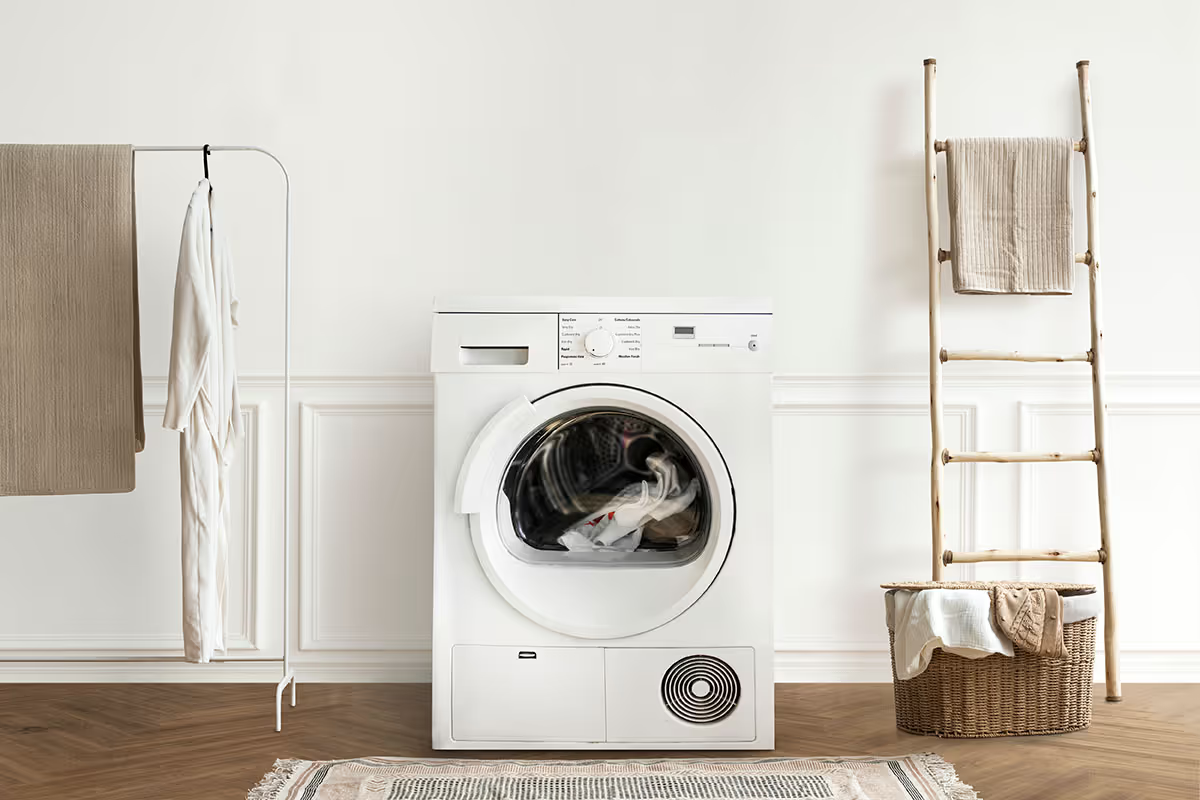
Dryer issues usually involve a lack of heat, failure to tumble, or unusual noises. The most critical check for any dryer is airflow. If your dryer takes forever to dry a load, the vent is likely clogged with lint. This is a fire hazard. Clean the lint trap after every load and inspect the external vent hose to ensure air is flowing freely. Restoring airflow often fixes heating issues and prevents the unit from overheating.
No Heat and Mechanical Failures
If the airflow is good but the dryer still produces no heat, the heating element or a thermal fuse may have failed. While some homeowners feel comfortable testing these with a multimeter, high-voltage repairs carry risks. If the drum light turns on but the dryer will not spin, the drive belt may be broken. While belts are replaceable, disassembling the unit can be difficult. If basic airflow maintenance does not solve the problem, it is best to call a pro to handle the electrical and mechanical components safely.
Quick Fixes for Ovens and Stoves
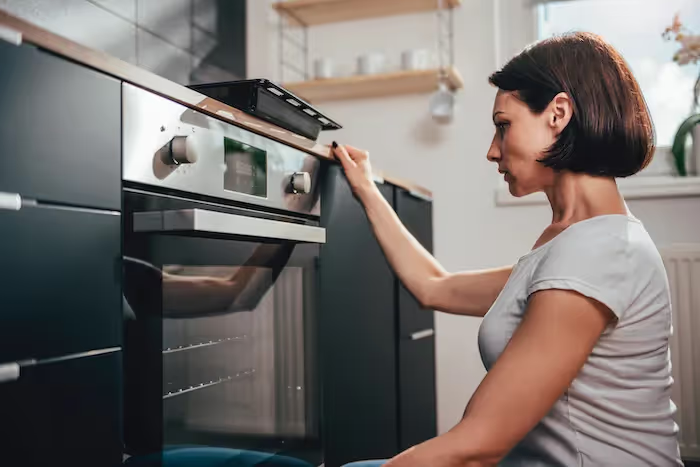
Oven and stove problems range from uneven cooking to total heating failure. For electric ovens, start by checking your home’s circuit breaker. Ovens draw a lot of power, and a surged breaker is a common, easy fix. If the oven powers on but does not heat, look at the heating element. If you see blisters or cracks on the coil, it has burned out and needs replacement. For Wolf or Thermador gas ranges, check the burners. Food debris can clog the ignition ports, preventing the flame from lighting. Cleaning the burner caps often restores the flame.
Inspecting Door Gaskets
If your cakes are baking unevenly or the kitchen gets hot while the oven is on, check the door gasket. This rubber seal holds the heat inside. If it is torn or hanging loose, heat escapes, causing temperature fluctuations. Replacing a gasket is a straightforward maintenance task that improves performance immediately. However, if you smell gas or the igniter glows without lighting the flame, shut off the gas supply and call for professional service immediately. Gas safety is not a DIY category.
Fast Dishwasher Troubleshooting
Dishwashers that fail to clean or drain usually suffer from blockages. If your dishes come out dirty, remove the bottom rack and clean the spray arms. Food seeds and debris can clog the tiny holes, preventing water from reaching your dishes. Next, clean the filter located at the bottom of the tub. A dirty filter recirculates grime onto your clean plates. If the unit is not draining, check the connection to your garbage disposal; often, the knockout plug in a new disposal was not removed, or the drain hose is kinked.
When Should You Call a Professional Appliance Repair Technician?
While maintenance can solve many minor issues, some signs indicate it is time to stop and call an expert. If you detect an electrical burning smell, a gas odor, or see a refrigerant leak, stop using the appliance immediately. These are safety hazards that require certified attention. Additionally, if you have cleaned the filters and vents but the appliance still malfunctions, the issue likely involves internal components like motors, control boards, or sealed systems.
The Benefits of Professional Service
Choosing A+ Appliance Repair and Maintenance ensures your home is in good hands. We provide same-day service to get your routine back on track quickly. Our certified technicians have the training to diagnose complex issues accurately, preventing the guesswork of DIY repairs. We also offer upfront pricing and a repair warranty, so you never have to worry about hidden costs. Best of all, we offer a free service call with any completed repair, making professional help both reliable and affordable. If your troubleshooting does not solve the problem, contact us today for a solution you can trust.




.svg)









.avif)



.svg.avif)

.avif)
.avif)








.avif)








.avif)



.avif)



.avif)



.avif)


.avif)

.avif)





.avif)
.avif)
.avif)
.avif)
.avif)
.avif)
.avif)
.avif)
.avif)