
Repair vs. Replace: A Detailed Cost Analysis for Your Household Appliances
When an appliance breaks down, homeowners face a difficult financial decision: is it better to pay for a repair or invest in a new machine? This guide breaks down the costs, lifespan factors, and energy benefits of both options to help you decide. Learn how the "50% Rule" and brand-specific considerations can save you money in the long run.
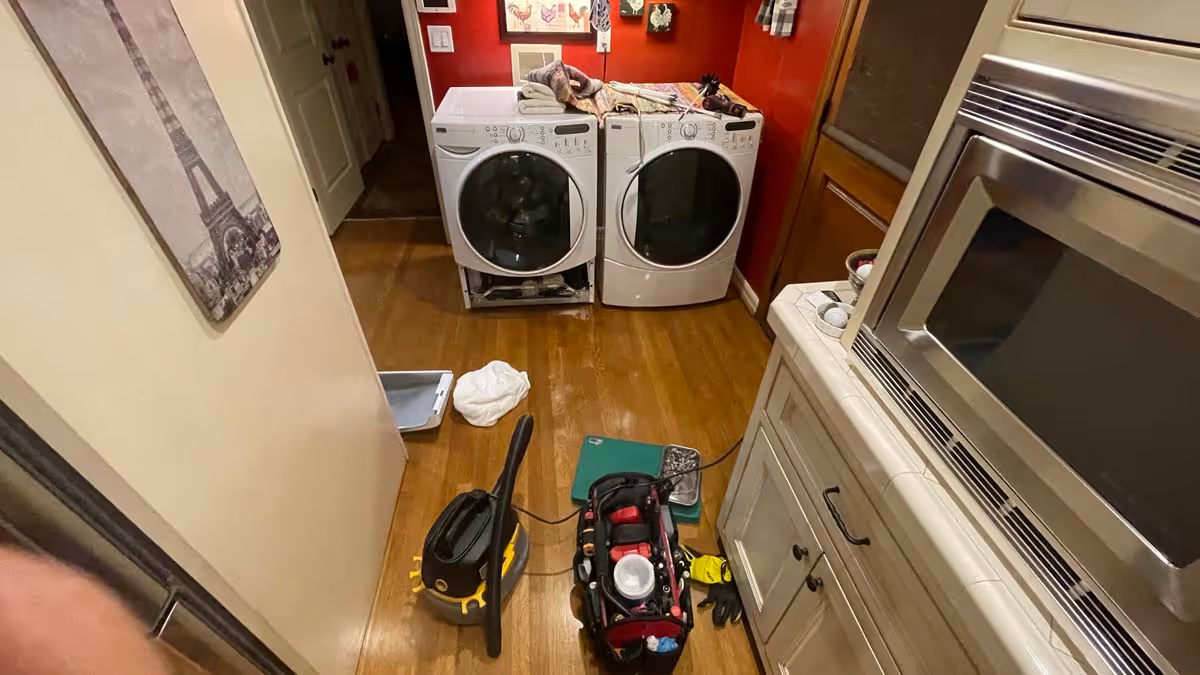
Every homeowner eventually faces the same frustrating scenario. You go to grab a cold drink, and the refrigerator is warm. You start a load of laundry, and the washer refuses to spin. The immediate question is always financial: does it make more sense to pay for a repair or to buy a brand-new unit? This decision involves more than just looking at the price tag of a new machine. You must consider the age of your current unit, the cost of parts and labor, and the long-term energy savings of modern technology. This guide provides a detailed analysis to help you navigate this choice with confidence.
How Does the Cost of Repairing an Appliance Compare to Buying a New One?
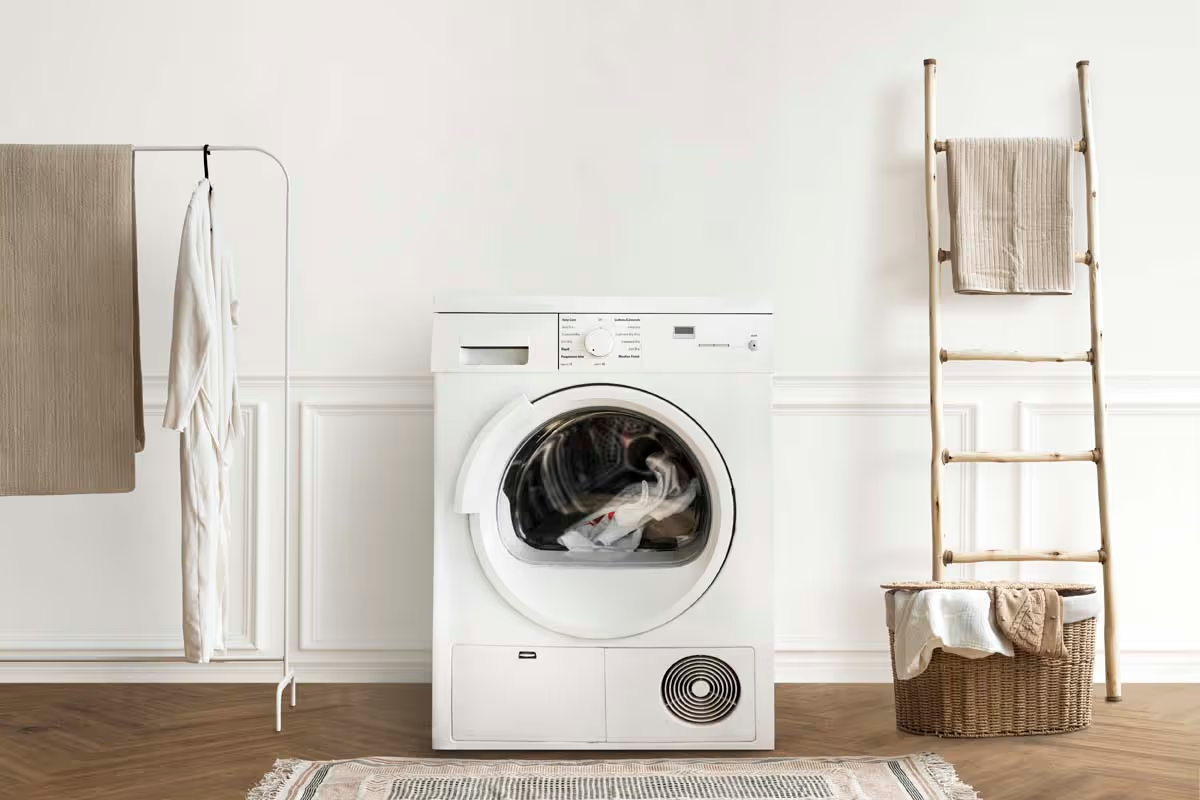
Comparing repair costs against replacement prices requires looking at the total investment. Generally, a repair is significantly cheaper upfront than buying a new unit. For example, fixing a broken belt on a dryer might cost a fraction of the price of a new machine. However, if the appliance is nearing the end of its life, that repair money might be better spent on a replacement. The goal is to determine if the repair extends the life of the unit enough to justify the expense.
What Are the Average Repair Costs for Common Appliances?
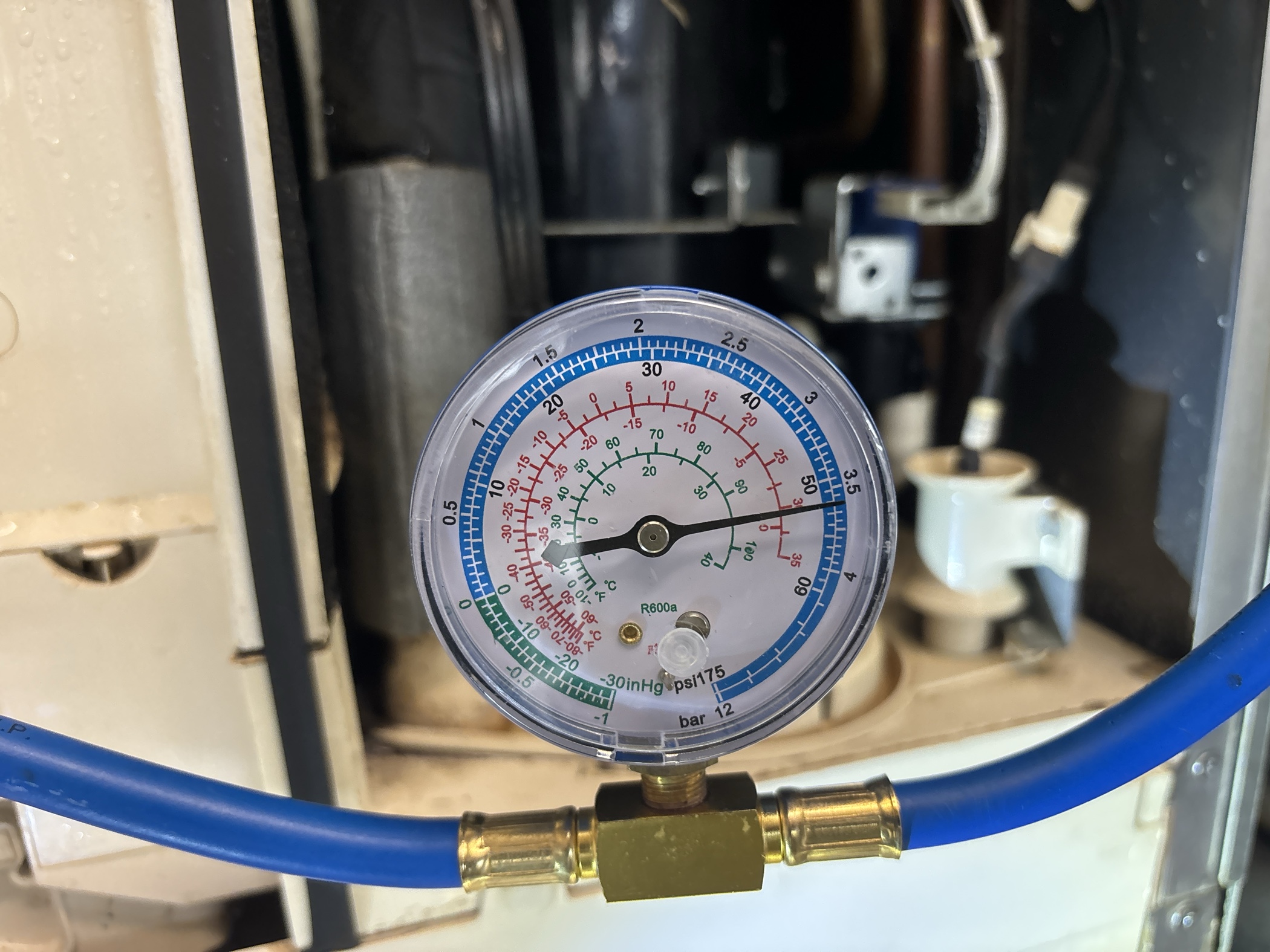
Repair costs vary widely depending on the machine and the specific problem. Minor repairs, such as replacing a thermostat in an oven or a door seal on a dishwasher, are usually affordable and well worth the investment. Major components, like the transmission in a washing machine or the compressor in a refrigerator, carry higher price tags. High-end brands like Sub-Zero or Wolf often command higher repair fees due to the cost of premium parts, but their high replacement value usually makes repairing them the smartest financial move. Conversely, a budget-model microwave might cost nearly as much to fix as it would to replace.
How Do Parts and Labor Affect Appliance Repair Costs?
The final bill for any service call is split between the cost of the replacement part and the labor required to install it. Some parts are inexpensive but buried deep inside the machine, requiring hours of disassembly. For instance, replacing a small seal in a washing machine might require taking the entire drum apart. In contrast, electronic control boards for modern Samsung or LG appliances can be expensive to purchase, even if they are quick to snap into place. Licensed and insured technicians from A+ Appliance Repair and Maintenance provide transparent upfront pricing so you can see exactly where your money is going before any work begins.
Which Factors Influence the Cost of Appliance Repairs?
Several variables dictate the final price of getting your machine back up and running. The brand and model are significant factors; domestic brands often have readily available, lower-cost parts compared to imported models. The age of the unit matters as well, as parts for vintage or discontinued models can be harder to source. Additionally, the complexity of the diagnosis plays a role. A technician who has to spend significant time tracing an electrical short in a Thermador range is performing a specialized service that reflects the technical expertise required.
When Should You Replace an Appliance Instead of Repairing It?
Industry experts often recommend the "50% Rule" to help homeowners decide. If the cost of the repair is more than 50% of the cost of a new appliance, and your current machine is more than halfway through its expected lifespan, you should probably replace it. This rule helps prevent you from sinking money into a "dying" asset. However, if you have a high-end built-in unit, the threshold might be different because the installation and matching cabinetry costs for a new unit are so high.
What Is the Average Lifespan of Different Appliances?
Knowing how long a machine is supposed to last helps you gauge if it is "old." Refrigerators typically last between 10 and 15 years. Washing machines and dryers usually have a lifespan of 10 to 13 years. Dishwashers tend to work well for about 9 to 12 years before pumps and seals begin to fail. Gas ranges often outlast their electric counterparts, sometimes running reliably for 15 years or more. If your Whirlpool washer is 12 years old and needs a major motor repair, it is likely time to let it go.
What Are the Key Signs That Indicate Appliance Replacement?
Beyond age, the machine’s behavior tells a story. If you are calling for appliance repair near me frequently—more than once or twice a year—the unit is becoming a money pit. Rust inside a washer or dishwasher is a terminal issue that cannot be fixed. Loud, grinding noises from the transmission of a washer or the compressor of a fridge often signal a catastrophic failure is imminent. Additionally, if the appliance has become a safety hazard, such as sparking wires or gas leaks that keep returning, replacement is the only safe option.
How Do Repair Costs Compare to Buying a New Appliance?
When you buy a new appliance, you are paying for the unit itself, plus taxes, delivery, and installation fees. You may also need to pay for the disposal of the old unit. When you compare a $300 repair bill to a $1,200 replacement total, the repair looks very attractive. This is especially true if the machine has been reliable up to this point. However, if that $300 repair buys you only six more months of use, the math changes.
What Are the Pros and Cons of Repairing vs. Replacing Appliances?
Repairing is almost always the faster and cheaper immediate solution. It keeps your household routine intact without the hassle of shopping and installation. The downside is that you are still left with a used machine that could break again. Replacing gives you a fresh start with new features and a 30-day repair warranty, but it requires a larger upfront cash outlay.
How Do Warranties Affect Repair and Replacement Costs?
If your broken appliance is still under the manufacturer’s warranty, the repair cost is usually zero. This makes repair the obvious choice. When you buy a new unit, you gain a new warranty, typically covering parts and labor for the first year. Some homeowners value this peace of mind enough to justify the cost of replacement. At A+ Appliance Repair, we offer a 30-day repair warranty on our repairs, which bridges the gap and gives you confidence that your fixed machine will stay fixed.
How Does Energy Efficiency Impact the Repair vs. Replace Decision?
Energy costs are a hidden factor in this equation. Older appliances are generally energy hogs compared to modern standards. A refrigerator from 2005 uses significantly more electricity than a current Energy Star-rated model. Over the course of five years, a new unit might save you hundreds of dollars on utility bills, effectively subsidizing the cost of the replacement.
What Are the Energy Efficiency Benefits of New Appliances?
Modern washing machines use less water and spin clothes drier, which reduces the work your dryer has to do. New dishwashers use advanced sensors to minimize water and power usage based on how dirty the dishes are. If your current appliance is a decade old, replacing it with a high-efficiency model is an investment in lower monthly bills.
How Does Repairing Affect Environmental Sustainability?
On the other hand, repairing has an environmental benefit. Every time you repair an appliance, you keep a massive metal and plastic object out of the landfill. Manufacturing a new appliance consumes a vast amount of resources and energy. If your current machine can be fixed efficiently, repairing it is the "green" choice.
What Maintenance and Troubleshooting Can Extend Appliance Lifespan?
The best way to avoid the repair vs. replace dilemma is to keep your appliances healthy. Regular maintenance prevents the catastrophic failures that force difficult decisions.
What Preventative Maintenance Tips Reduce Repair Needs?
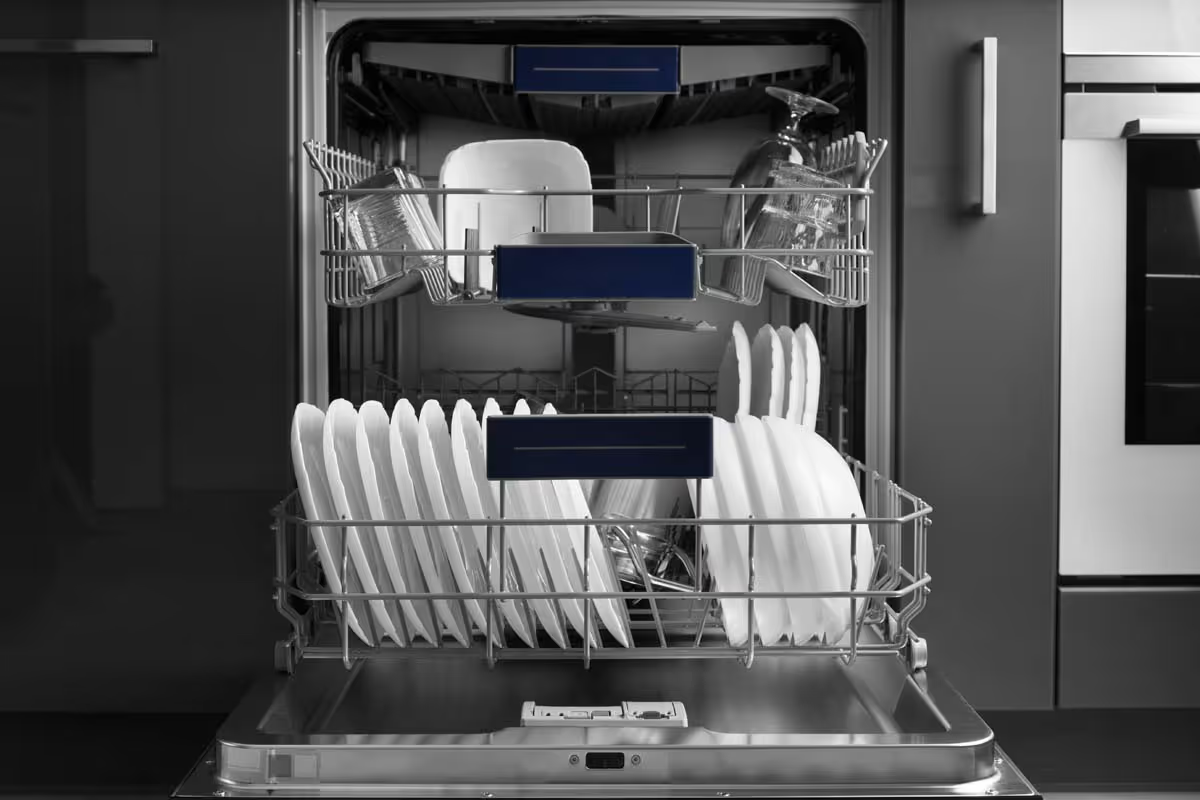
Simple tasks make a big difference. Clean your refrigerator’s condenser coils annually to reduce strain on the compressor. Clear the lint from your dryer vent to prevent overheating. Clean the filter in your dishwasher to protect the pump. For Bosch or Miele dishwashers, keeping the filter clean is critical for performance. These small steps can add years to the life of your equipment.
How Can DIY Troubleshooting Help Before Calling a Technician?
Before you panic over a broken appliance, do a few checks. Ensure the unit is plugged in and the circuit breaker hasn't tripped. Check that water valves are turned on. Sometimes a "broken" garbage disposal just needs the reset button pressed. These simple DIY troubleshooting steps can save you the cost of a service call.
How Do Brand-Specific Repair Costs and Issues Affect Your Decision?
Not all brands are created equal when it comes to repair costs. The brand you own plays a major role in your decision-making process.
What Are Typical Repair Costs for Whirlpool and Samsung Appliances?
Domestic brands like Whirlpool, Maytag, and Frigidaire are typically less expensive to repair because parts are widely available and affordable. In contrast, tech-heavy brands like Samsung and LG can be more costly to service due to their complex electronics and the occasional difficulty in sourcing specific parts. However, the advanced features of these brands often make them worth preserving.
How Do Brand Warranties and Support Influence Repair Choices?
High-end manufacturers like Sub-Zero, Wolf, and Viking offer extensive support and build their products to last 20 years or more. For these brands, repair is almost always the recommended path. The cost of replacing a built-in Sub-Zero fridge is astronomical compared to even a major repair. Understanding the pedigree of your appliance helps you understand its true value.
Whether you decide to repair or replace, the team at A+ Appliance Repair and Maintenance is here to offer honest advice and skilled service. We help you look at the numbers so you can make the best choice for your home and budget.