

Range Hood Not Working? Fan, Light, and Suction Fixes
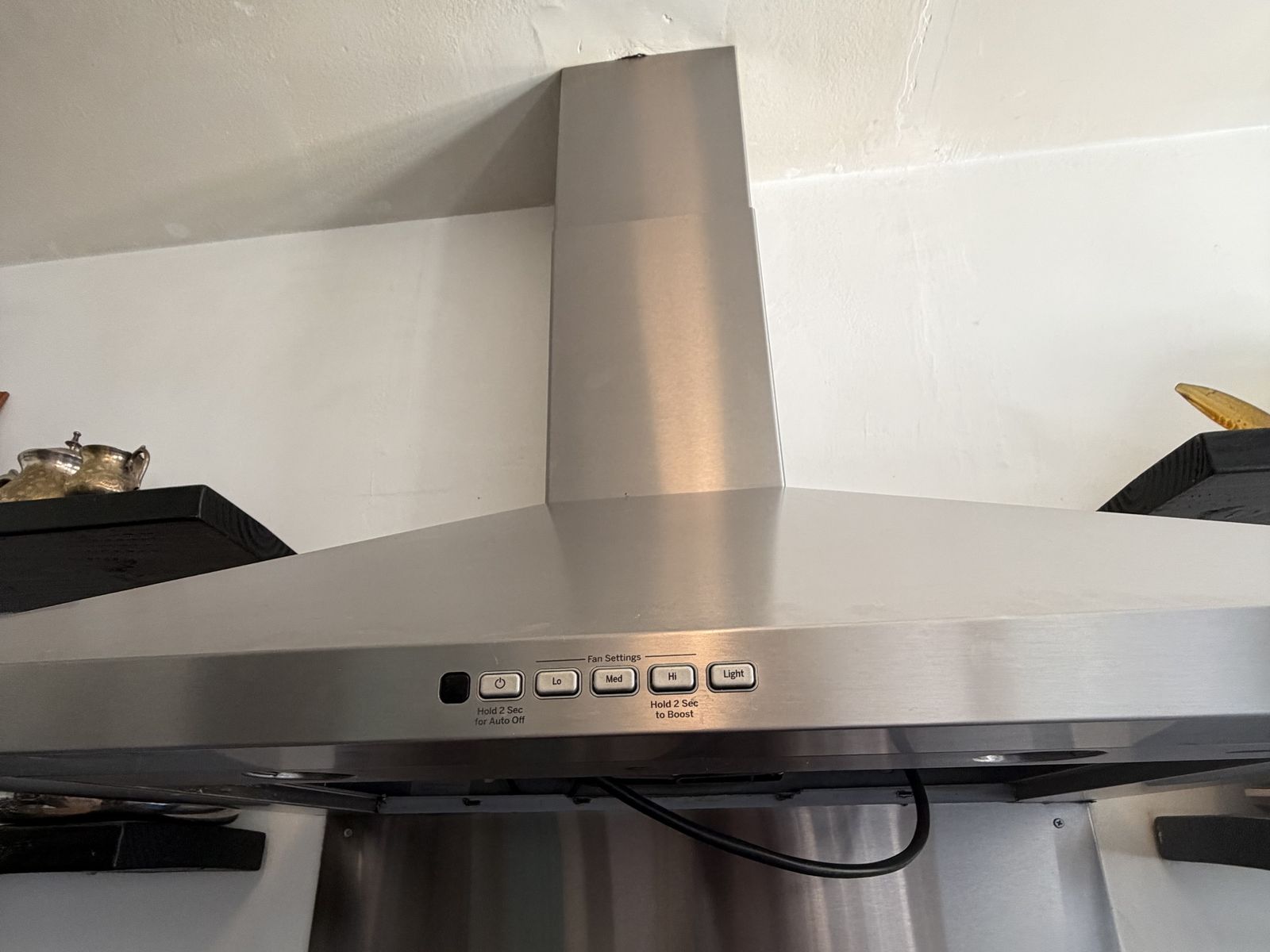
Key Takeaways
- Weak suction is usually grease-clogged filters or ducting; a dead fan is usually the motor or capacitor.
- Clean metal grease filters regularly — it restores suction and reduces fire risk.
- Ductless hoods need periodic charcoal-filter replacement.
- Check the breaker, bulbs, and exterior vent cap before calling.
- Vent hood repairs start at $299, and the $79 diagnostic is waived with the repair.
Is your range hood not working — weak suction, a dead fan, or lights that won't turn on? A kitchen vent hood keeps grease, smoke, and odors out of your home, so when it quits, cooking gets a lot less pleasant. The good news is that many range hood problems trace back to grease-clogged filters, a worn motor, or a simple switch issue. This guide explains every common reason a range hood stops working, the safe checks you can do first, what repair costs, and when to call a technician.
A+ Appliance Repair & Maintenance is a family-owned appliance repair company that has served Chicago and the surrounding suburbs since 2015. We hold a 4.9-star rating across more than 1,200 customer reviews, we've helped over 10,000 homes and businesses, and our technicians repair vent hoods, range hoods, and downdraft systems of every kind.
Why is my range hood not working?
A range hood usually stops working because of grease-clogged filters or ducting (weak suction), a failed blower motor or capacitor (dead fan), a faulty switch or control board, or a burned-out bulb (no light). Clogged filters are the most common cause of poor suction. Most range hood problems can be diagnosed and fixed in a single visit.
A range hood is a simple system with a few key parts: a blower motor that pulls air, filters that trap grease, ducting that carries air outside (on vented models), controls, and lighting. When grease builds up or a part wears out, you'll notice it as weak suction, a noisy or dead fan, or lights that stop working. Matching the symptom to the part makes the fix quick.
Common range hood problems and their causes
- Weak or no suction. Usually grease-saturated filters or clogged ducting. On vented models, a stuck damper or a blocked exterior vent cap also chokes airflow.
- Fan won't turn on. A failed blower motor, a bad capacitor, or a faulty speed switch or control can leave the fan dead.
- Fan is loud or rattling. Worn motor bearings, a loose blower wheel, or trapped debris cause noise and vibration.
- Lights don't work. Often just a burned-out bulb, but it can be the light socket or switch.
- Hood runs but smells greasy. Saturated filters and greasy ducting recirculate odors instead of removing them.
- Controls unresponsive. Touch panels and control boards can fail, leaving buttons dead.
Vented vs. ductless range hoods
How your hood is set up affects troubleshooting. Vented (ducted) hoods push air outside through ducting — so weak airflow can come from clogged ducts, a stuck damper, or a blocked exterior vent, in addition to dirty filters. Ductless (recirculating) hoods filter air through a charcoal filter and return it to the kitchen; if a ductless hood seems weak or smelly, a saturated charcoal filter is often the cause and should be replaced periodically. Knowing which type you have helps target the real problem.
Safe checks you can do before calling a technician
- Confirm the hood has power and that no breaker has tripped.
- Remove and clean the metal grease filters — soak them in hot, soapy water or run them through the dishwasher.
- On ductless models, replace the charcoal filter if it's overdue.
- Check the exterior vent cap (on vented models) for blockage, debris, or a stuck damper.
- Replace any burned-out light bulbs with the correct type.
- Listen to the fan — a hum with no spin or loud rattling points to the motor.
If suction is still weak or the fan or controls won't work after cleaning the filters and clearing the vent, the blower motor, capacitor, switch, or control board may need a technician.
Why clean filters matter for safety
Grease-saturated range hood filters aren't just bad for suction — they're a fire risk. Built-up grease near a cooking surface is flammable, which is why cleaning the filters regularly is both a performance and a safety habit. A hood that can't vent properly also lets grease, moisture, and combustion byproducts linger in your kitchen. Keeping filters clean and ducting clear protects your home and keeps the hood working as designed.
How much does range hood repair cost?
At A+ Appliance Repair & Maintenance, vent hood repairs start at $299, and every repair is quoted as a flat, fixed price per repair before any work begins — never hourly. We set our rates using the industry-standard Appliance Repair Blue Book, so pricing is transparent and consistent.
Our residential diagnostic fee is $79, and it's waived and applied to your repair when you proceed — so the service call is effectively free with any repair. You'll always know the price before we start, with no hidden fees. every completed repair is backed by our full repair warranty.
Why choose A+ for range hood repair?
- Experience since 2015. A family-owned company that has served more than 10,000 homes and businesses.
- Expertise across kitchen ventilation. Wall-mount, under-cabinet, island, and downdraft hoods, including pro-style and luxury brands.
- Proven track record. A 4.9-star rating across 1,200+ reviews, BBB Accredited, Angi Super Service Award in 2024 and 2025, and Thumbtack recognition.
- Licensed, insured, and background-checked. Every technician who enters your home is vetted.
- Transparent, guaranteed work. Fixed, upfront pricing and a repair warranty.
- Fast, local service. Same-day and next-day appointments, seven days a week, from 6 AM to 9 PM.
How to keep your range hood working
- Clean the metal grease filters every few weeks, more often if you cook a lot.
- Replace charcoal filters on ductless hoods on schedule.
- Keep the exterior vent cap clear and the damper moving freely.
- Wipe down the hood surfaces to prevent grease buildup on controls and lights.
- Run the hood while cooking and for a few minutes after to clear the air.
Range hood repair near you
A+ Appliance Repair & Maintenance is headquartered in Chicago and serves the entire metro and surrounding Illinois suburbs, plus the Los Angeles metro, Washington D.C., Northern Virginia, and Houston, Texas. Explore our vent hood repair service or our Illinois service area.
Hood not pulling air? Book online in seconds or call (800) 819-4195 for same-day range hood repair.
Frequently asked questions
Why does my range hood have weak suction?
The most common cause is grease-saturated filters; clean or replace them first. On vented hoods, clogged ducting, a stuck damper, or a blocked exterior vent can also reduce airflow.
Why won't my range hood fan turn on?
A dead fan usually means a failed blower motor, a bad capacitor, or a faulty speed switch or control. If you hear a hum but no spin, the motor or capacitor is the likely culprit.
How do I clean range hood grease filters?
Remove the metal filters and soak them in hot, soapy water (or run them through the dishwasher), then dry and reinstall. Doing this regularly restores suction and reduces fire risk.
What's the difference between a vented and ductless range hood?
Vented hoods exhaust air outside through ducting; ductless hoods filter air through a charcoal filter and recirculate it. Ductless models need periodic charcoal-filter replacement.
Is range hood repair worth it?
Usually yes. Motors, switches, and filters are affordable repairs, so fixing the hood is typically far cheaper than replacing it — especially for built-in or pro-style units.
Do you offer same-day range hood repair?
Yes. We offer same-day and next-day appointments, seven days a week, from 6 AM to 9 PM, across our service area.
How much does range hood repair cost?
Vent hood repairs start at $299, quoted as a flat, fixed price before work begins. The $79 residential diagnostic fee is waived when you proceed, and every completed repair is backed by our full repair warranty.








.svg)













.avif)



.svg.avif)

.avif)
.avif)










.avif)








.avif)



.avif)



.avif)




.avif)


.avif)

.avif)





.avif)
.avif)
.avif)
.avif)
.avif)
.avif)
.avif)
.avif)
.avif)