
Commercial Ice Machine Not Making Ice? Causes and Fixes
Key Takeaways
- No ice usually traces to the water supply, a clogged filter, scale buildup, or a dirty condenser.
- Hard-water scale is a leading cause of low output and cloudy ice.
- Clean and descale at least twice a year — more in hard-water areas.
- Replace the water filter on schedule and keep the condenser clear.
- The commercial diagnostic is $149, waived with the repair; fixed-price, never hourly.
Has your commercial ice machine stopped making ice? For a bar, cafe, or restaurant, a unit that quits can halt beverage service within an hour. Most no-ice problems come down to the water supply, dirty parts, or mineral buildup — issues a foodservice technician can resolve quickly so you're not buying bagged ice mid-shift. This guide explains the common reasons a commercial ice machine stops producing, the safe checks to try, why mineral buildup matters so much, what repair costs, and how a cleaning routine prevents most failures.
A+ Appliance Repair & Maintenance is a family-owned commercial appliance repair company that serves Chicago and the surrounding suburbs. We hold a 4.8-star rating across 1,466 Google reviews, we've helped over 10,000 homes and businesses, and we're experienced with the major commercial ice machine brands — with same-day and next-day service seven days a week.
Why is my commercial ice machine not producing?
A commercial ice machine usually stops producing because of a water-supply problem, a clogged water filter, mineral buildup on the freezing surface, a dirty condenser, or a failed water inlet valve. Hard-water buildup is one of the most common reasons. Most issues can be pinpointed in a single visit, and many are prevented entirely with regular cleaning.
An ice machine needs three things working together: a steady water supply, a clean and cold freezing surface, and a condenser that can shed heat. When water flow drops, mineral buildup insulates the freezing surface, or the condenser can't release heat, output falls or stops. Identifying which of the three has failed is the key to a fast fix.
Common causes and what to check
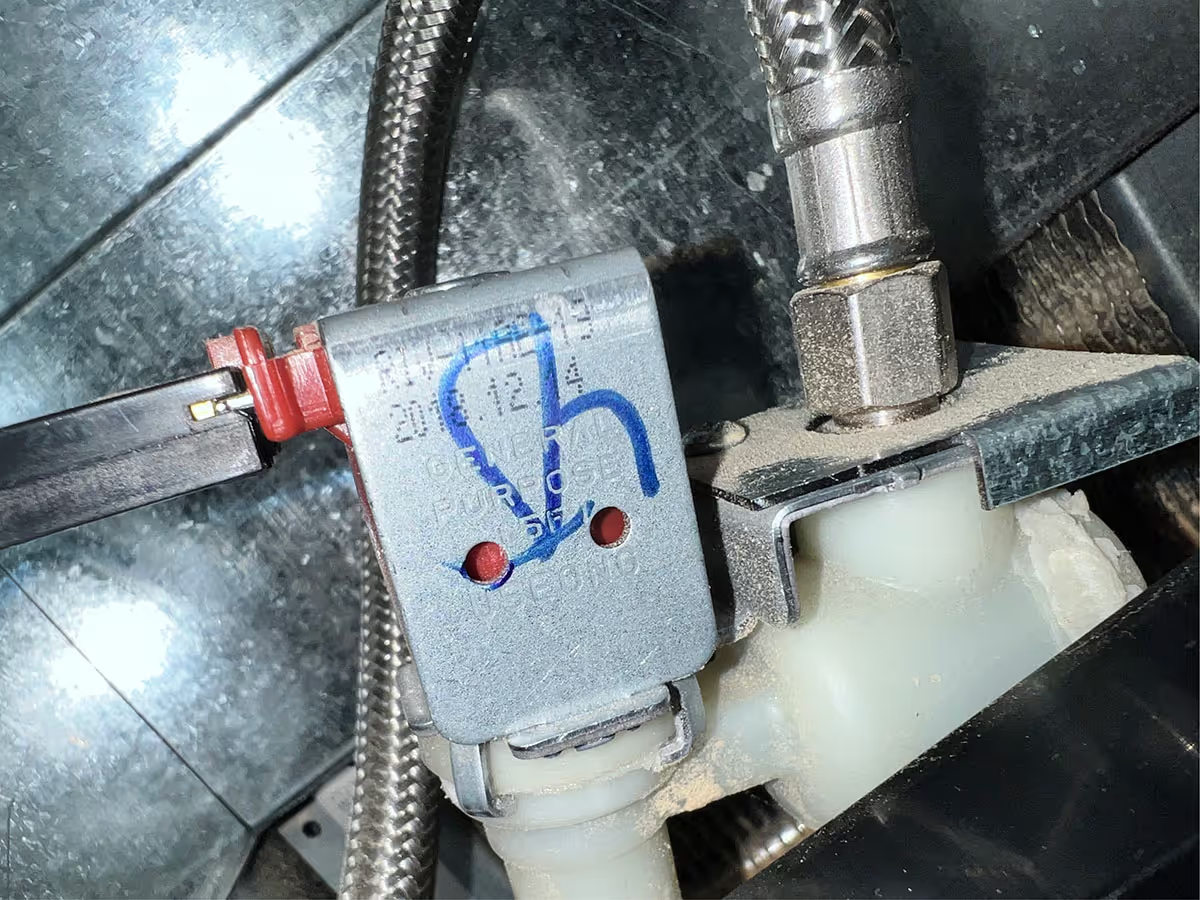
- Water supply or inlet valve. No water in means no ice out. Confirm the supply line is open, water pressure is adequate, and the inlet valve is working.
- Clogged water filter. A spent filter restricts flow and slows or stops production — one of the most common and easily prevented causes.
- Mineral buildup. Hard-water minerals coat the freezing surface and water system, insulating them so they can't make ice efficiently. This cuts output and ice quality, and it's especially common in hard-water areas.
- Dirty condenser. A clogged air-cooled condenser makes the machine run hot and produce less; water-cooled units can suffer buildup in the water circuit.
- Thin, cloudy, or partial ice. Often a sign the unit needs cleaning, a mineral treatment, or a water-level and sensor check.
- Float or water-level control faults. A stuck float or sensor can stop the fill or harvest cycle.
- Bin full or shutoff triggered. Sometimes the machine simply reads the bin as full or a safety has tripped — worth ruling out first.
Why mineral buildup and water quality matter so much
Ice machines are unusually sensitive to water quality because they freeze water directly on a metal surface. In hard-water regions — common across much of our service area — dissolved minerals leave a coating that insulates that surface, slows freezing, clouds the ice, and eventually stops production. The same buildup shortens the life of pumps, valves, and seals. That's why manufacturers build cleaning and mineral treatment into the maintenance schedule, and why a good water filter is one of the best investments you can make. If your ice has turned cloudy or thin, mineral buildup is the prime suspect, and a professional cleaning usually restores clear, full output.
Safe checks before service
- Confirm the water supply is on, pressure is adequate, and the machine has power.
- Check that the bin isn't simply full or that a safety shutoff hasn't tripped.
- Replace the water filter if it's overdue — a frequent, easy fix.
- Clean the air-cooled condenser area if it's dusty or blocked.
- Note whether the ice is thin, cloudy, slow, or absent — it helps the technician diagnose quickly.
If output doesn't recover after a filter change and a basic cleaning, the unit likely needs a professional mineral treatment or a component repair.
How a cleaning routine prevents failures
Most ice machine breakdowns are preventable. Manufacturers typically recommend a thorough cleaning and mineral treatment at least twice a year — more often in hard-water areas or high-volume operations. Regular service keeps the freezing surface efficient, protects valves and pumps, maintains ice quality and food safety, and avoids the mid-shift surprise of running out of ice. Building this into your maintenance calendar is far cheaper than emergency repairs and lost beverage sales.
How much does commercial ice machine repair cost?
At A+ Appliance Repair & Maintenance, the commercial diagnostic fee is $149, and it's waived and applied to your repair when you proceed. Repairs are quoted at a flat, fixed price before work begins — never hourly — using the industry-standard Appliance Repair Blue Book. Every completed repair is backed by our 30-day repair warranty.
Why choose A+ for commercial ice machine repair?
- Years of hands-on experience. A family-owned company that has served more than 10,000 homes and businesses, including foodservice operations.
- Brand expertise. Technicians trained on the major commercial ice machine brands.
- Proven track record. A 4.8-star rating across 1,466 Google reviews, BBB Accredited, Angi Super Service Award in 2024 and 2025, and Thumbtack recognition.
- Licensed and insured. Professional, vetted technicians.
- Transparent, work backed by a 30-day repair warranty. Fixed, upfront pricing and a 30-day repair warranty.
- Fast service. Same-day and next-day appointments, seven days a week, from 6 AM to 9 PM.
Commercial ice machine repair near you
A+ Appliance Repair & Maintenance is headquartered in Chicago and serves bars, cafes, and restaurants across the metro and surrounding suburbs, plus the Los Angeles metro, Washington D.C., Northern Virginia, and Houston, Texas. We're experienced with Hoshizaki, Scotsman, Manitowoc, and other ice machine brands, and you can learn more about our commercial appliance repair.
Out of ice? Book online in seconds or call (800) 819-4195 for fast commercial ice machine repair.
Frequently asked questions
Why is my ice machine making cloudy or thin ice?
Cloudy or thin ice usually signals mineral buildup or a water-quality issue. A professional cleaning and mineral treatment typically restores clear, full ice.
How often should a commercial ice machine be cleaned?
Most manufacturers recommend a thorough cleaning at least twice a year, more often in hard-water areas or high-volume operations, to prevent breakdowns.
Why did my ice machine suddenly stop producing?
Check the water supply, filter, and bin shutoff first. If those are fine, mineral buildup on the freezing surface, a failed inlet valve, or a control fault may be the cause and need service.
Does a water filter really help my ice machine?
Yes. A good filter reduces minerals and sediment, which protects the freezing surface and valves, improves ice quality, and extends the machine's life.
Which ice machine brands do you service?
We service the major commercial ice machine brands, including Hoshizaki, Scotsman, Manitowoc, and Ice-O-Matic.
How fast can you come out?
We offer same-day and next-day appointments, seven days a week, from 6 AM to 9 PM, across our service area.
How much does ice machine repair cost?
The commercial diagnostic fee is $149, waived when you proceed, and repairs are quoted at a flat, fixed price before work begins. Every completed repair is backed by our 30-day repair warranty.