
Clogged Dryer Vent? Why Your Dryer Runs Hot, Runs Long or Shuts Off
Key Takeaways
- A clogged vent traps hot, damp air, so the dryer takes longer, runs hot and can shut itself off.
- Clean the lint screen after every load, and check or clean the full vent line at least once a year.
- If the vent is clear and the dryer still runs hot, will not heat or shuts off, a part inside the dryer needs repair.
Short answer: a clogged dryer vent traps hot, damp air inside the dryer. With nowhere to go, the heat builds up. Loads take longer, the dryer gets hot to the touch, and safety parts can shut it off. Clean the lint screen after every load, and check or clean the full vent line at least once a year, or sooner if drying times start to creep up.
A dryer works by pushing hot air through your clothes and out of your home. The vent is the path that air takes. When lint blocks that path, the whole dryer suffers.
Why a Clogged Vent Causes Trouble
Loads take longer
Wet clothes give off steam as they dry. The vent carries that steam outside. When the vent is blocked, the damp air stays in the drum. Clothes come out warm but still damp, and one load needs two cycles.
The dryer runs hot
The heat has nowhere to go, so it builds up inside the dryer. The top and sides may feel hot. The laundry room may feel warm and sticky.
The dryer shuts off
Dryers have safety parts that cut the heat when it gets too hot. A high-limit thermostat turns the heat off to protect the dryer. A thermal fuse blows if it gets too hot, and then the dryer may not heat or may not start at all. These parts are doing their job. But if the vent stays blocked, a new fuse can blow again.
Safety Signs Not to Ignore
Lint burns easily. A blocked vent puts lint and high heat in the same place, which is how dryer fires start. Stop using the dryer and get it checked if you notice any of these.
- A burning smell while the dryer runs.
- The outside of the dryer is too hot to touch.
- Clothes are very hot at the end of a cycle.
- Lint builds up around the door or on the floor behind the dryer.
- The flap on the outside vent does not open while the dryer runs.
- On a gas dryer, a gas smell. Turn it off, leave the area and call your gas company.
What You Can Check Yourself
You can look at most of the vent path without tools. Always unplug the dryer first. On a gas dryer, move it gently so you do not strain the gas line.
- Lint screen: pull it out and clean it after every load. If water beads on it, wash it with warm, soapy water. Dryer sheets can leave a film that blocks air.
- Lint screen slot: shine a light into the slot where the screen sits. Lint can pack in there too.
- Vent hose: pull the dryer out and look at the hose behind it. Kinks and crushed spots block air just like lint does. These hoses often get crushed when the dryer is pushed back.
- Outside hood: go outside while the dryer runs. You should feel a strong push of warm air, and the flap should open. A weak puff means something is blocked.
- Hood opening: clear any lint, leaves or nests you can reach at the outside opening.
If the hose is crushed or full of lint, it can be swapped or cleaned. If the run inside the wall is packed, the full line needs a deep cleaning with the right tools.
How Often Should You Clean a Dryer Vent?
Clean the lint screen after every single load. That one habit does the most good. Most fire safety advice says to clean the full vent line at least once a year. Do it sooner if loads take longer than they used to, if the dryer runs hot, or if the vent run is long with many bends. A busy home that runs the dryer every day will need it more often than a home that runs a few loads a week.
When It Is the Dryer, Not the Vent
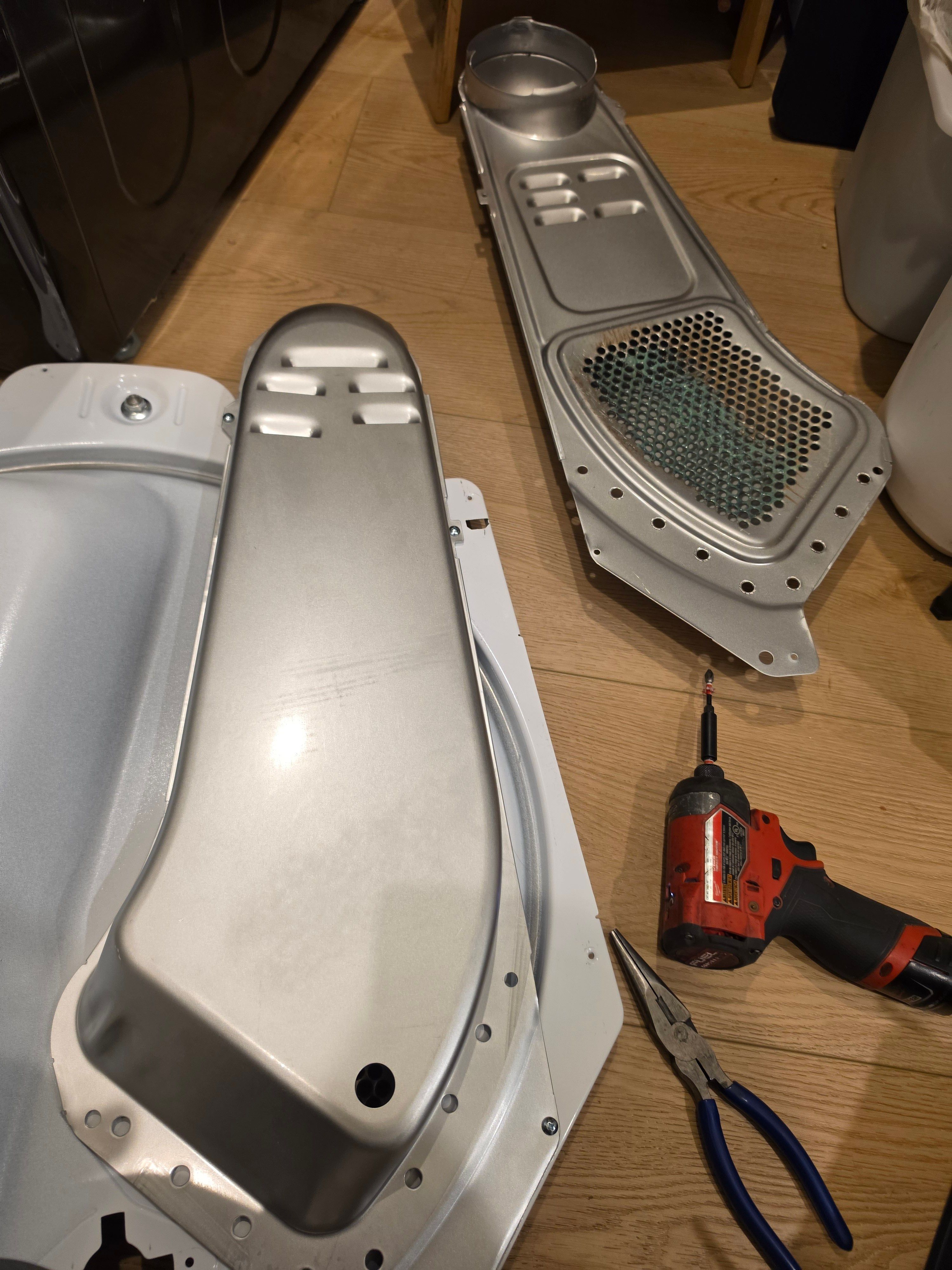
Sometimes the vent is clear and the dryer still has problems. That points to a part inside the machine. A blown thermal fuse, a failed heating element on an electric dryer, or a bad igniter on a gas dryer can all stop the heat. A failing high-limit or cycling thermostat can make the dryer run too hot or shut off early. Lint can also build up inside the dryer cabinet, where you cannot see it.
These are all dryer repairs. If you have cleared the vent and the dryer still runs hot, takes too long or will not heat, it is time for a technician. Our guide on a dryer that takes too long to dry covers more causes.
Is the Dryer Worth Fixing?
Usually, yes. A thermal fuse, a thermostat or a heating element is a small part. Even a 12-year-old dryer is often worth fixing for these. Our repair vs replace guide explains when a new dryer makes more sense.
Get Your Dryer Checked
A+ Appliance Repair and Maintenance offers dryer repair on gas and electric dryers. A visit is $79 for a home, $119 for a stacked or double unit, and $149 for a business. The service call is free if you proceed with the repair. The technician finds out why the dryer runs hot or shuts off, then gives you the price before any work starts. The repair has a 30-day repair warranty. You can call from 6am to 9pm, seven days a week.