

Emergency Procedures When Appliances Malfunction
When an appliance malfunctions dangerously, every second counts. This guide outlines the critical steps to shut off power and water, how to handle common emergencies like leaks or burning smells, and the safety gear required if you attempt a quick check. It also explains why contacting a certified team like A+ Appliance Repair and Maintenance is often the safest route to protect your home.
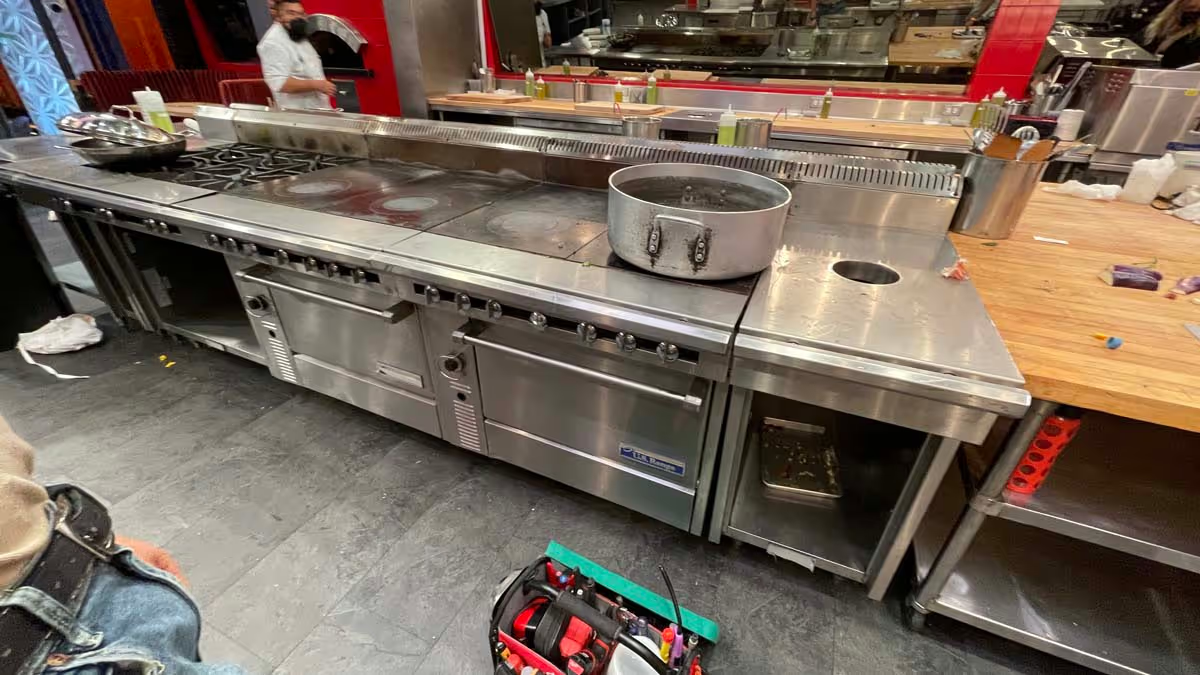
Household appliances usually fail quietly, but sometimes they create urgent situations that put your home at risk. A washing machine that won't stop filling can flood a room in minutes, while a sparking oven can quickly become a fire hazard. Knowing exactly what to do in the first few minutes of an emergency can save you thousands of dollars in damage and keep your family safe. This guide covers the essential steps for handling sudden appliance failures.
First Steps to Take During an Appliance Emergency
Panic is the enemy during an emergency. The first thing to do is assess the situation from a safe distance. Determine if there is an immediate threat to life, such as a fire or a strong gas smell. If there is, evacuate the house and call 911. If the threat is to property, such as water flooding or food spoiling, your priority is to cut the energy source and contain the damage.
How Do You Safely Turn Off Power and Water Supply?
In almost every appliance emergency, cutting the power is step one. If you can safely reach the plug without standing in water, unplug the unit. If the area is wet or the plug is inaccessible, go to your home’s electrical panel and flip the circuit breaker labeled for that room or appliance. For water leaks, locate the shut-off valve behind the unit (common for washers and fridges) and turn it clockwise. If the valve is stuck or you cannot find it, shut off the main water valve to the entire house immediately to stop the flooding.
When Should You Stop Using a Faulty Appliance?
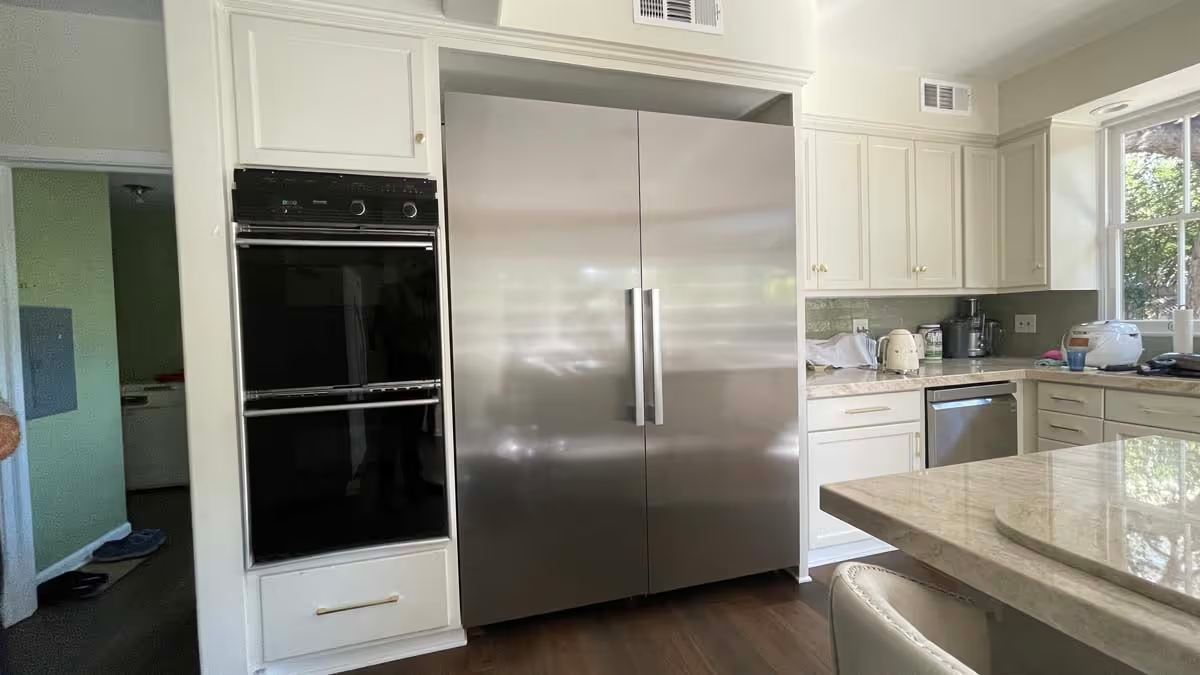
You should stop using an appliance the moment it exhibits unsafe behavior. This includes smoke, sparks, active leaks, or loud banging noises. Continuing to run a "sick" machine often causes catastrophic damage. For example, forcing a Sub-Zero refrigerator to run when the compressor is overheating can destroy the sealed system. It is always cheaper to pause and diagnose than to push the machine until it dies completely.
the Most Common Appliance Emergencies and How to Handle Them
Most emergencies fall into two categories: water issues and electrical/thermal issues. Knowing the difference helps you react correctly.
How to Respond to Appliance Leaks and Water Damage?
Water is incredibly destructive. If a dishwasher or washing machine leaks, your goal is containment. Once the water supply is off, use towels and buckets to remove standing water immediately. Water that seeps into subflooring or cabinetry can cause mold and structural rot within days. If the leak came from a drain hose, ensure it is not just a simple clog or a kink before calling for help.
What to Do in Case of Appliance Electrical Failures?
Electrical emergencies are often signaled by a burning smell or a "pop" sound. If an appliance trips the circuit breaker, do not simply reset it and try again. A tripped breaker is a safety device warning you of a short circuit. Resetting it could cause a fire. Leave the power off and look for signs of scorched outlets or melted power cords. This requires a professional inspection to ensure the wiring inside the wall or the unit is safe.
How Can You Troubleshoot Common Appliance Problems Quickly?
Once the immediate danger is passed, you can look for simple causes. Sometimes an "emergency" is just a setting error or a minor obstruction.
What Are Simple Fixes for Refrigerator and Oven Issues?
For a refrigerator that has stopped cooling, check the condenser coils. If they are blocked by a thick blanket of dust, the unit may have shut down to protect itself. Vacuuming them might restore cooling. For an oven that won't turn on, check the clock. If the clock is off, the breaker may have tripped. If the clock is on but it won't heat, verify the door is closing fully; a safety latch might be engaged.
How to Identify and Resolve Washing Machine and Dryer Malfunctions?
If a washing machine is not draining, check the coin trap or filter at the bottom front of the unit. These frequently get clogged with lint and debris. For a dryer that feels incredibly hot or smells burning, check the external vent. A blocked vent is a major fire risk. Clearing the airflow often resolves the heating issue immediately.
What Safety Procedures Should You Follow During Appliance Repairs?
If you decide to investigate further, you must protect yourself. DIY repairs result in thousands of injuries every year because homeowners underestimate the risks.
How to Avoid Electrical and Fire Hazards When Handling Appliances?
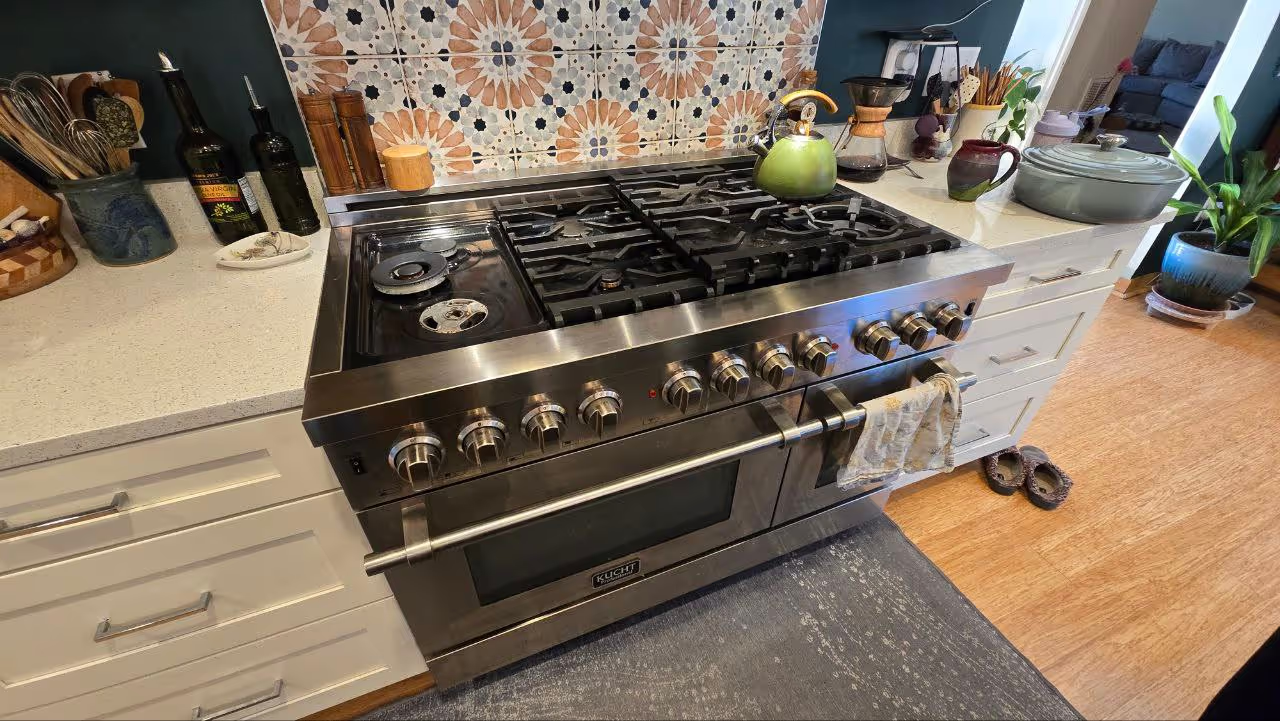
Never work on a plugged-in appliance. Even unplugged units can be dangerous; microwaves and air conditioners have capacitors that store lethal charges of electricity. Do not touch internal components unless you know how to discharge them. For gas appliances like a Wolf range, never use an open flame to check for leaks—use a soapy water solution instead.
Protective Gear Is Essential for DIY Appliance Fixes
Always wear rubber-soled shoes to ground yourself. Safety goggles are essential when working with springs or hoses under pressure. Heavy gloves protect your hands from the sharp sheet metal edges found inside dryer and washer cabinets. If you are dealing with moldy washers or dusty refrigerator coils, a dust mask is also a smart addition.
When and How Should You Contact Emergency Appliance Repair Services?
If the troubleshooting steps do not resolve the issue, or if the problem involves gas, refrigerant, or high-voltage wiring, it is time to call the experts.
What Are the Benefits of 24/7 Rapid Response Repair Services?
Emergency repair services are designed to minimize downtime. When a freezer full of food is at risk, or a broken washer is holding up a busy household, waiting days for an appointment isn't an option. A+ Appliance Repair and Maintenance offers rapid response times to get a technician to your door quickly. Our goal is to diagnose the issue and offer a solution before your food spoils or water damage spreads.
How to Choose Certified Technicians for Emergency Repairs?
In an emergency, you need someone you can trust. Look for technicians who are certified to work on your specific brand, whether it is Whirlpool, Samsung, or Thermador. A certified pro has the schematics and tools to fix the problem correctly the first time. At A+ Appliance Repair, we provide upfront pricing and a warranty on our work, so you aren't hit with surprise fees during a stressful time.
How Preventative Maintenance Reduce Appliance Emergencies
The best way to handle an emergency is to prevent it from happening. Routine care catches small issues before they become disasters.
What Routine Checks Help Detect Early Appliance Issues?
Listen to your machines. A dryer that squeaks today will seize up tomorrow. A fridge that runs constantly is warning you of a cooling failure. Inspect hoses for cracks annually and clean your dryer vents every six months. These small investments of time prevent the panic of a sudden breakdown.
How Do Maintenance Plans Save Time and Money?
Many homeowners benefit from professional maintenance plans. Having a technician inspect your major appliances once a year ensures that coils are clean, drains are clear, and gas lines are secure. This proactive approach extends the lifespan of your appliances and drastically reduces the likelihood of needing an emergency repair.
If you are currently facing an appliance emergency, prioritize your safety. Shut off the power and water, then call A+ Appliance Repair and Maintenance. We are here to help restore your home to normal.





.svg)








.avif)


.svg.avif)

.avif)
.avif)








.avif)







.avif)



.avif)



.avif)



.avif)


.avif)

.avif)





.avif)
.avif)
.avif)
.avif)
.avif)
.avif)
.avif)
.avif)
.avif)