

A Washer That Filled, Leaked Across the Floor, and Would Not Drain in Los Angeles
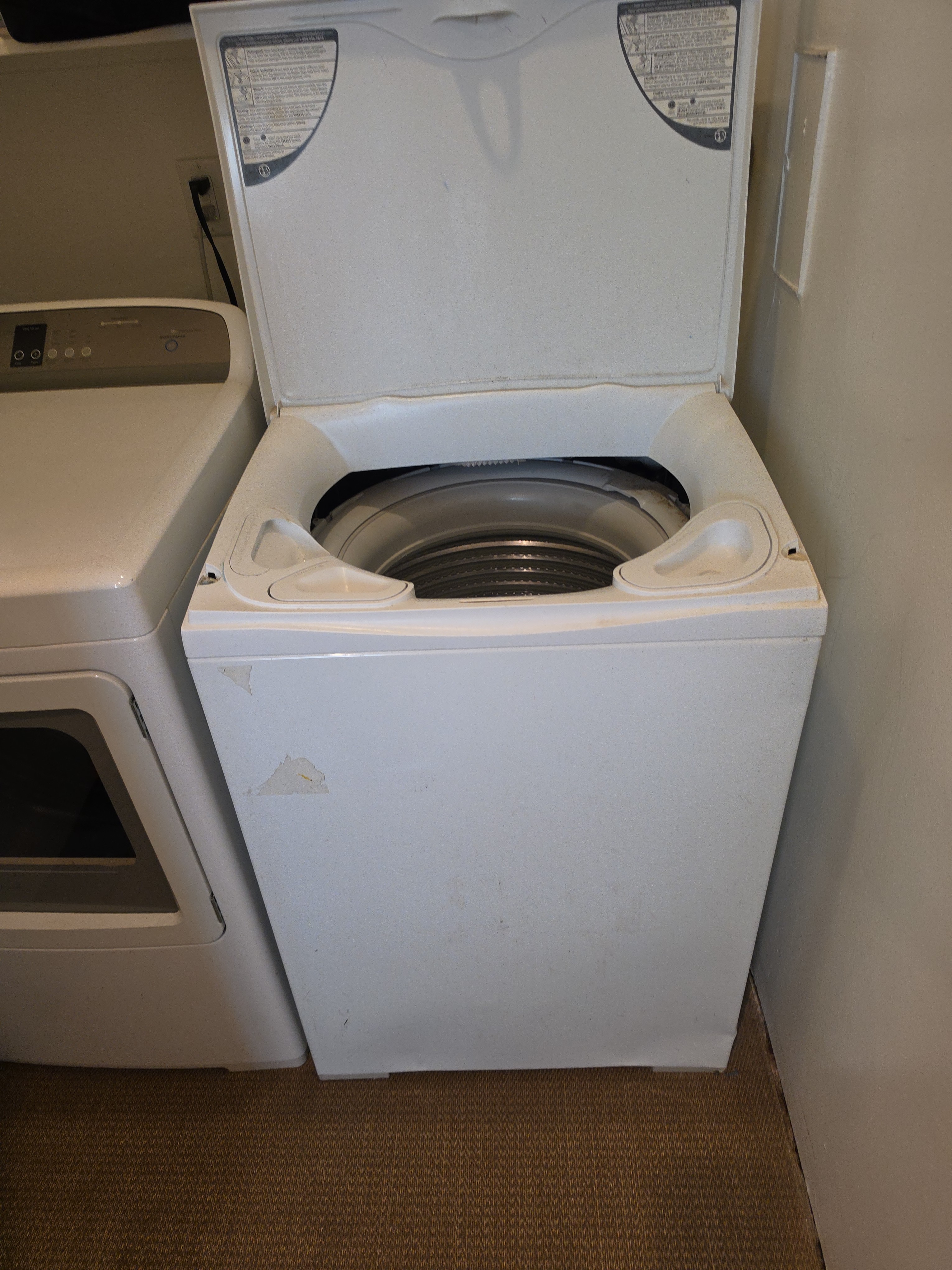
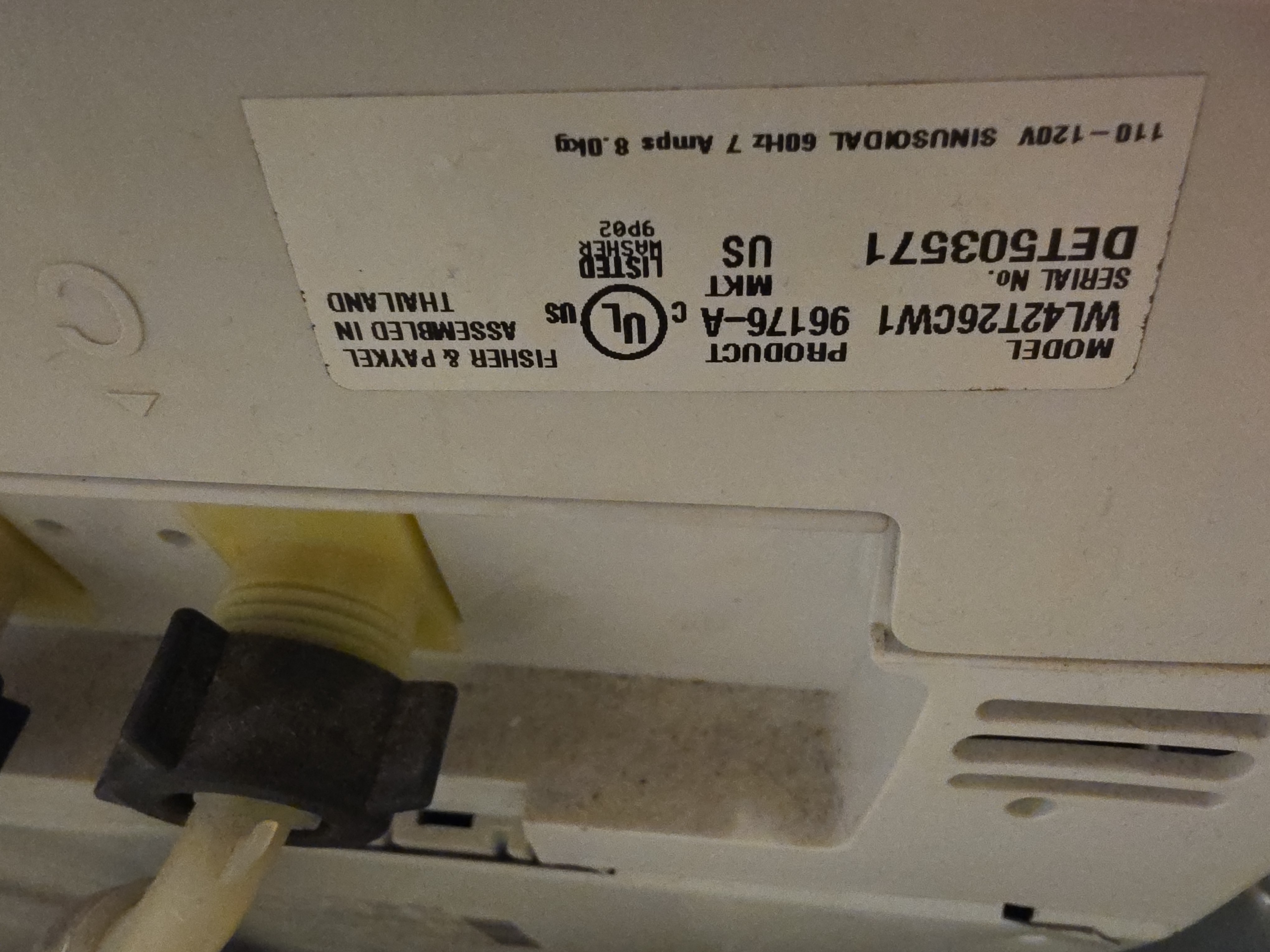
A Los Angeles homeowner called A+ Appliance Repair and Maintenance about a washer that filled with water, leaked all over the floor, and then would not drain. Two problems at once, a leak and a drain failure, often share a root cause, because water that cannot get out the drain has to go somewhere, and it finds its way onto the floor. Our technician worked the drain path and the leak points together, found where the water was being blocked and where it was escaping, and repaired it. We then ran a full cycle to confirm the washer filled, drained, and spun without leaving water on the floor. A leaking washer is worth stopping quickly, because water on the floor damages more than the appliance.
Water on the Floor and a Tub That Would Not Drain in Los Angeles
A homeowner in Los Angeles called A+ Appliance Repair and Maintenance with a two-part problem that turned an ordinary load of laundry into a mess. The washer filled with water, then leaked across the floor, and on top of that it would not drain. Standing at a machine that is both leaking and refusing to empty is alarming, and it is worth understanding why those two symptoms so often show up together.
A leak and a no-drain are often the same story
It is tempting to treat a leak and a drain failure as two separate problems, but they are frequently connected. Water that is supposed to leave through the drain has to go somewhere. When the drain path is blocked or the pump cannot move water out, that water backs up, overflows, or is forced out through seams and connections that would never leak under normal flow. The result is exactly what this customer saw: a machine that took on water, could not push it out the drain, and ended up putting it on the floor instead.
So rather than chase the leak and the drain as unrelated faults, the right approach is to look at how water moves through the machine as a whole, where it is supposed to go, where it is being stopped, and where it is escaping instead.
Working the water path
Our technician traced the whole path the water takes. On the drain side, that means checking the drain pump, the pump filter, and the drain hose for the blockages and failures that stop a washer from emptying, a clogged filter, debris jamming the pump, a kinked or obstructed hose, or a pump that has failed outright. Any of those leaves the tub full and the water looking for another way out.
On the leak side, it means finding where the water was actually escaping, whether that was the result of the backup from the drain problem or a failing hose, connection, or seal that needed attention in its own right. The two were considered together, because fixing a drain problem while leaving a leak, or patching a leak without addressing why the water backed up in the first place, would leave the customer with half a repair and more water on the floor.
The repair
Our technician identified where the water was being blocked and where it was leaking, and repaired the machine so that water moved through it correctly and stayed inside it. With the work done, he ran the washer through a full cycle to confirm it filled properly, drained completely, advanced through spin, and, critically, did all of that without leaving any water on the floor. On a machine that came in both leaking and not draining, verifying a complete dry cycle is the only way to know both halves of the problem are truly resolved.
Why a leaking washer deserves a fast response
A washer that leaks is a different kind of urgent than most appliance problems, because the damage is not limited to the appliance. Water on the floor gets into flooring, subfloor, cabinetry, and, in an upstairs laundry, the ceiling below. What starts as an appliance repair can become a much larger and more expensive problem if the leak is allowed to continue. That is why a leaking machine, especially one that is also not draining and therefore likely to keep putting water on the floor, is worth stopping and having looked at quickly rather than running another load and hoping.
If your washer is leaking, the safest interim step is to stop using it and shut off its water supply until it can be looked at, so it is not adding water to the floor with every cycle.
What a homeowner can watch for
A few habits help you catch these problems early. Keep an eye out for any water around the base of the machine after a cycle, since a small leak often precedes a larger one. Clean the drain pump filter periodically, because a clogged filter is a leading cause of poor draining and the backups that lead to leaks. And if a washer starts draining slowly or leaving clothes wetter than usual, treat that as an early warning about the drain path before it turns into standing water and an overflow.
About A+ Appliance Repair and Maintenance
We service every major washer brand throughout Los Angeles, Silver Lake, Atwater Village, Eagle Rock, and the surrounding communities. Our technicians are certified and carry common parts, so a leak-and-drain repair like this one can usually be diagnosed and completed in a single visit.
We quote the price upfront before any work begins, we waive the service call fee when you move forward with the repair, and every completed repair is backed by our full repair warranty. If your washer is leaking, not draining, or both, do not keep running it. Stop it, shut off the water if you can, and give us a call before the water does damage beyond the machine.