

A U-Line Ice Maker That Needed Cleaning, Not Parts, in Pasadena
A Pasadena homeowner called about a U-Line undercounter ice maker that had stopped producing ice. This one did not need a part. It needed cleaning. Undercounter ice machines are the most maintenance-dependent appliance in most homes, and mineral scale on the internal components will shut production down long before anything actually breaks. Our technician cleaned the unit and got it making ice again. This post explains why these machines need regular service and what happens when they do not get it.
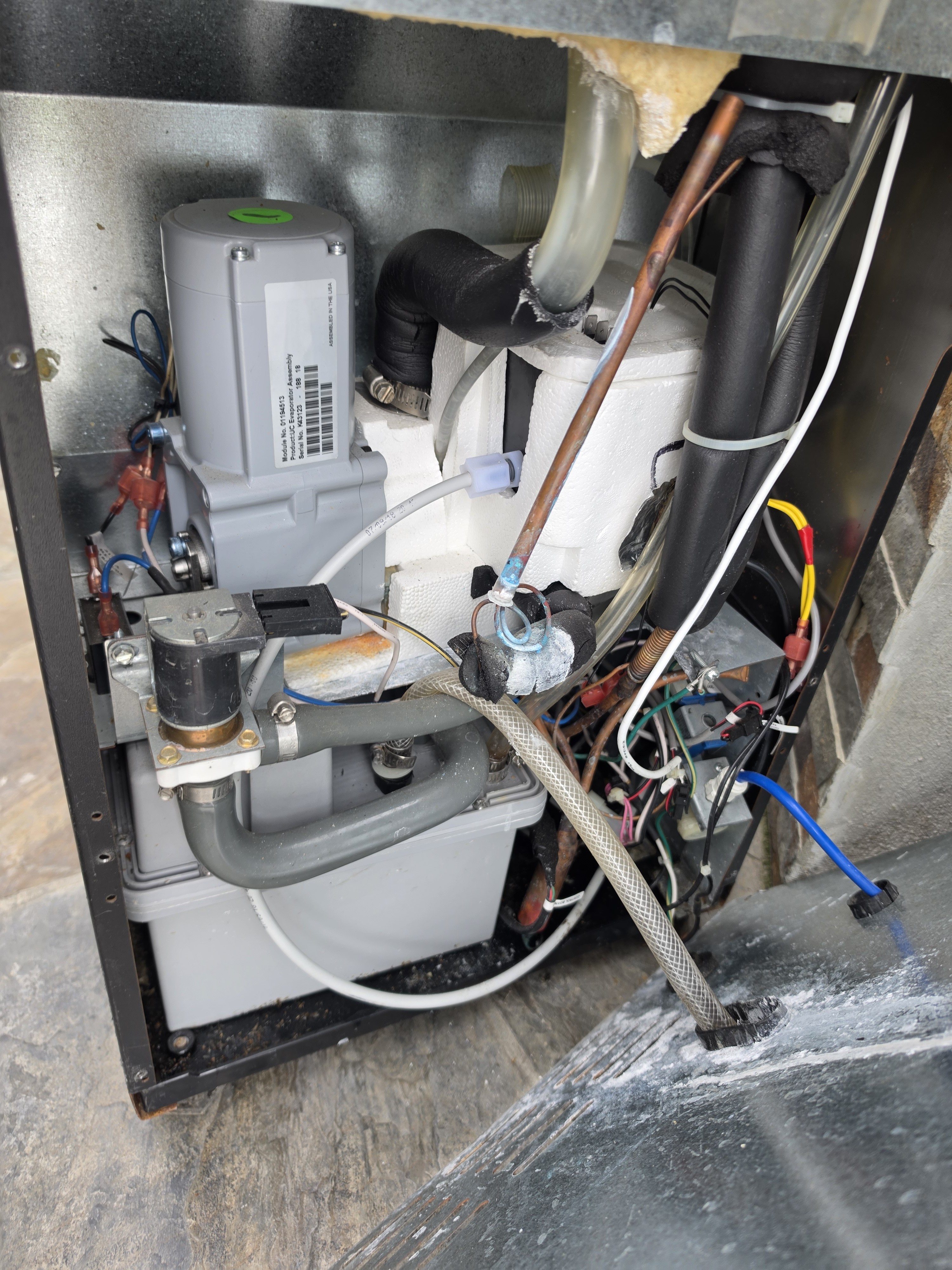
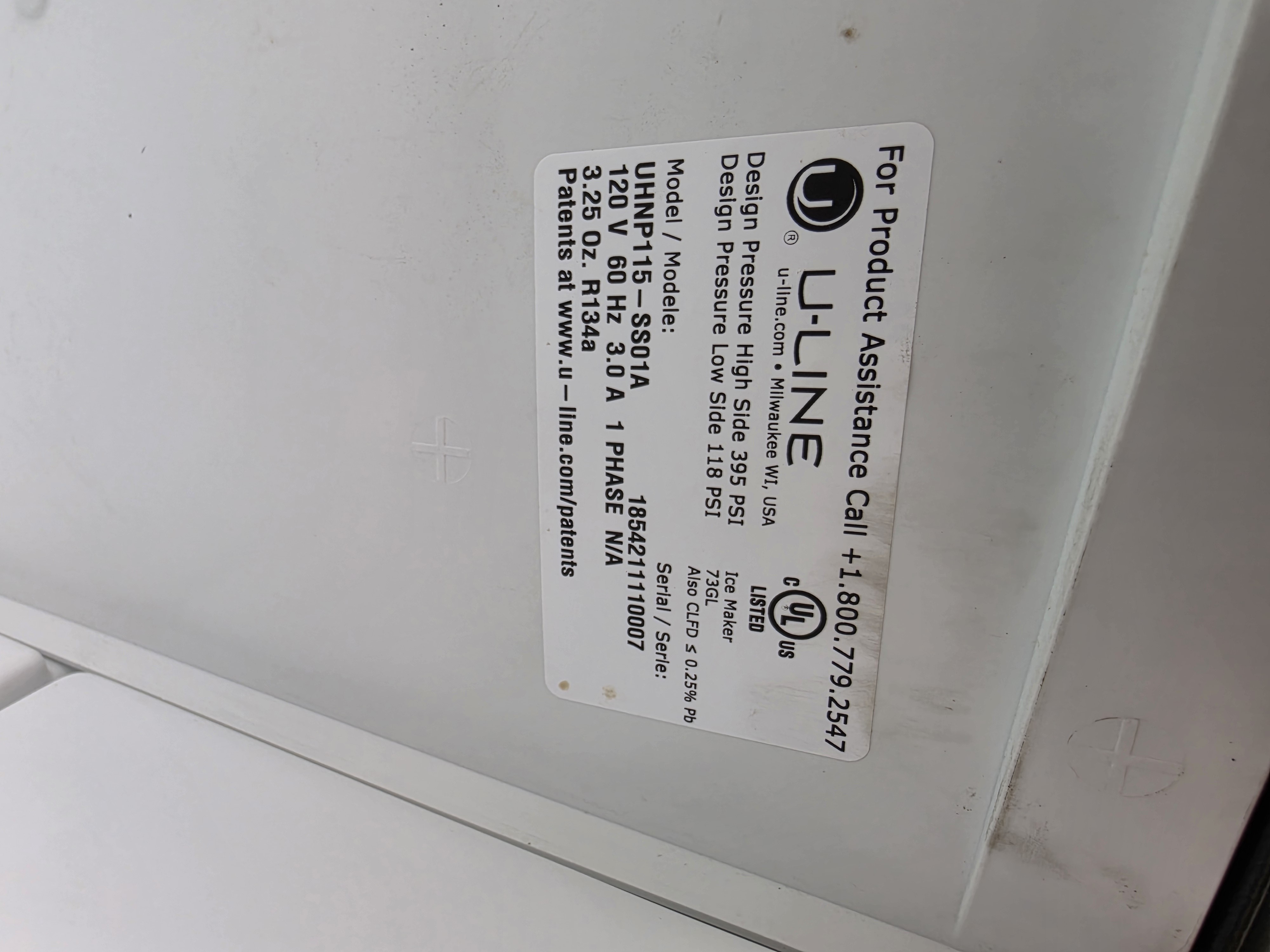
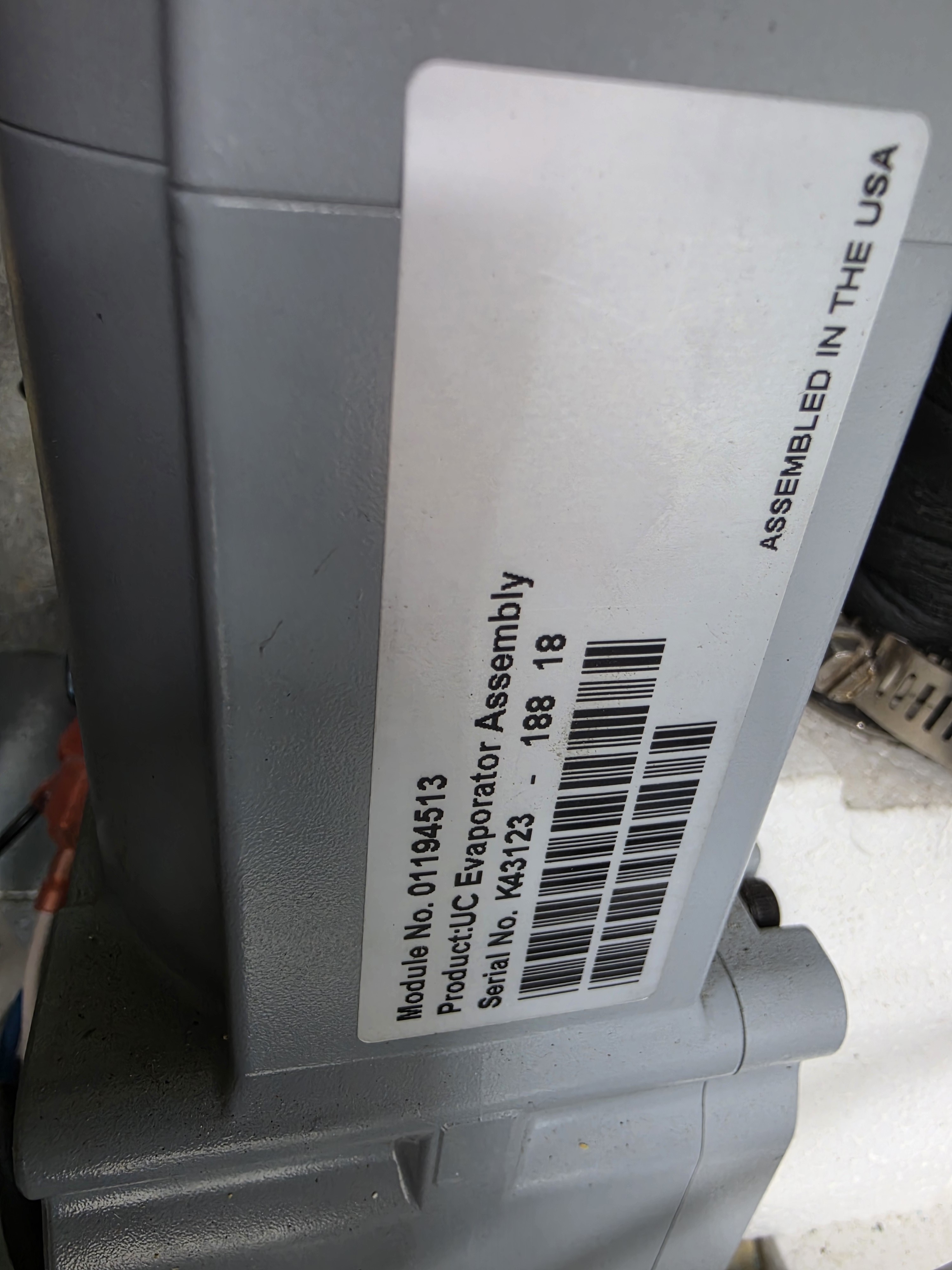
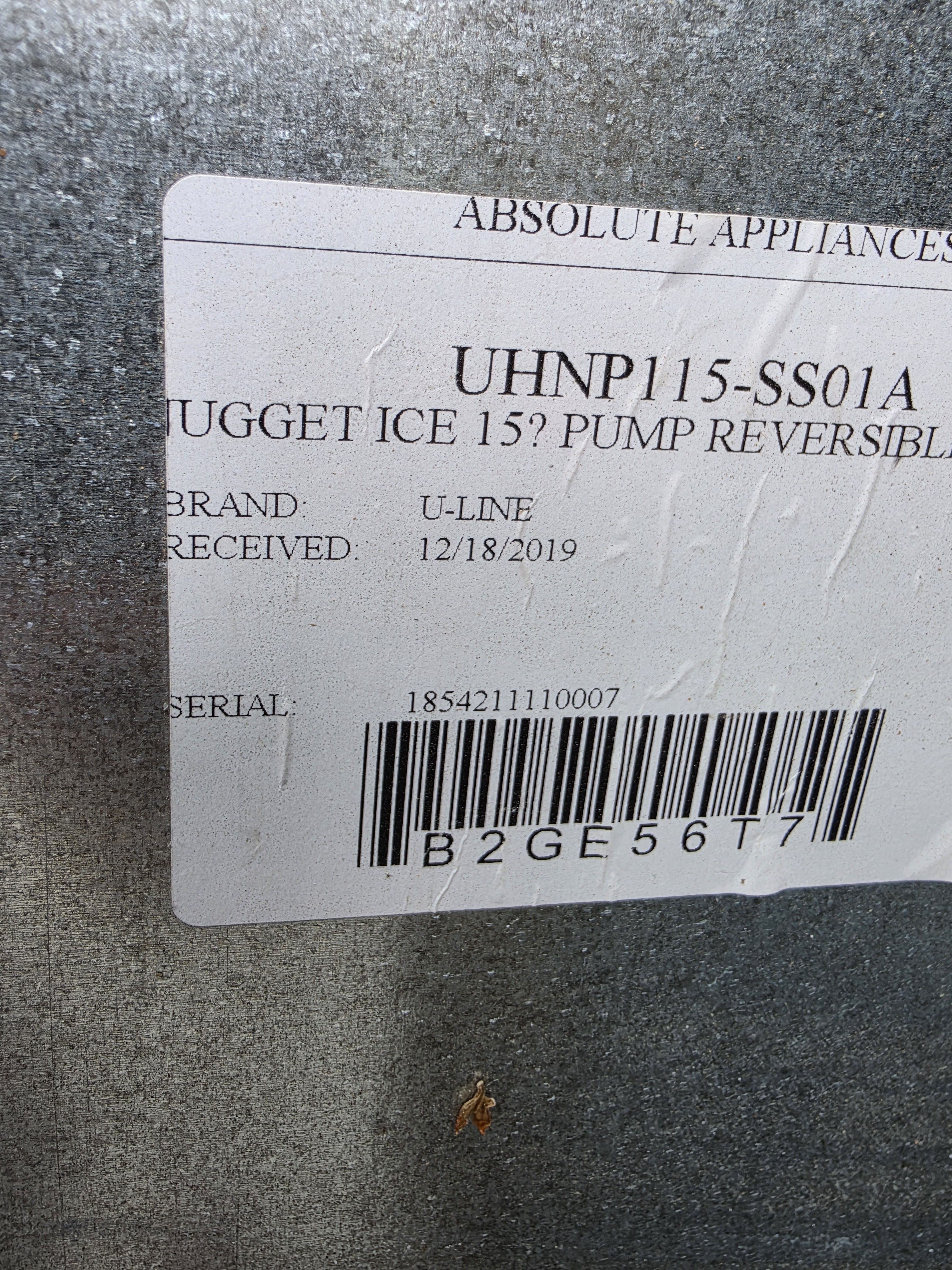
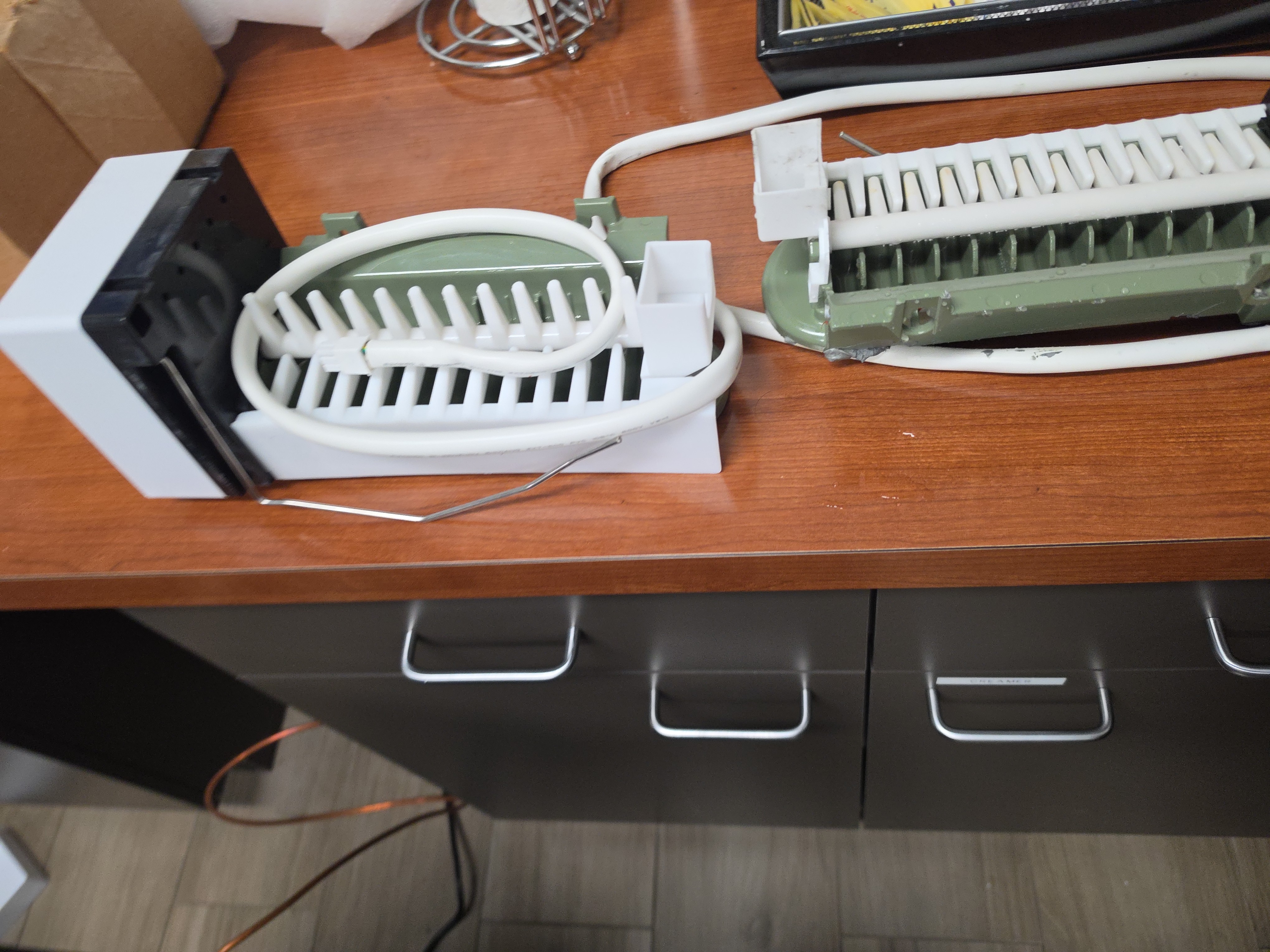
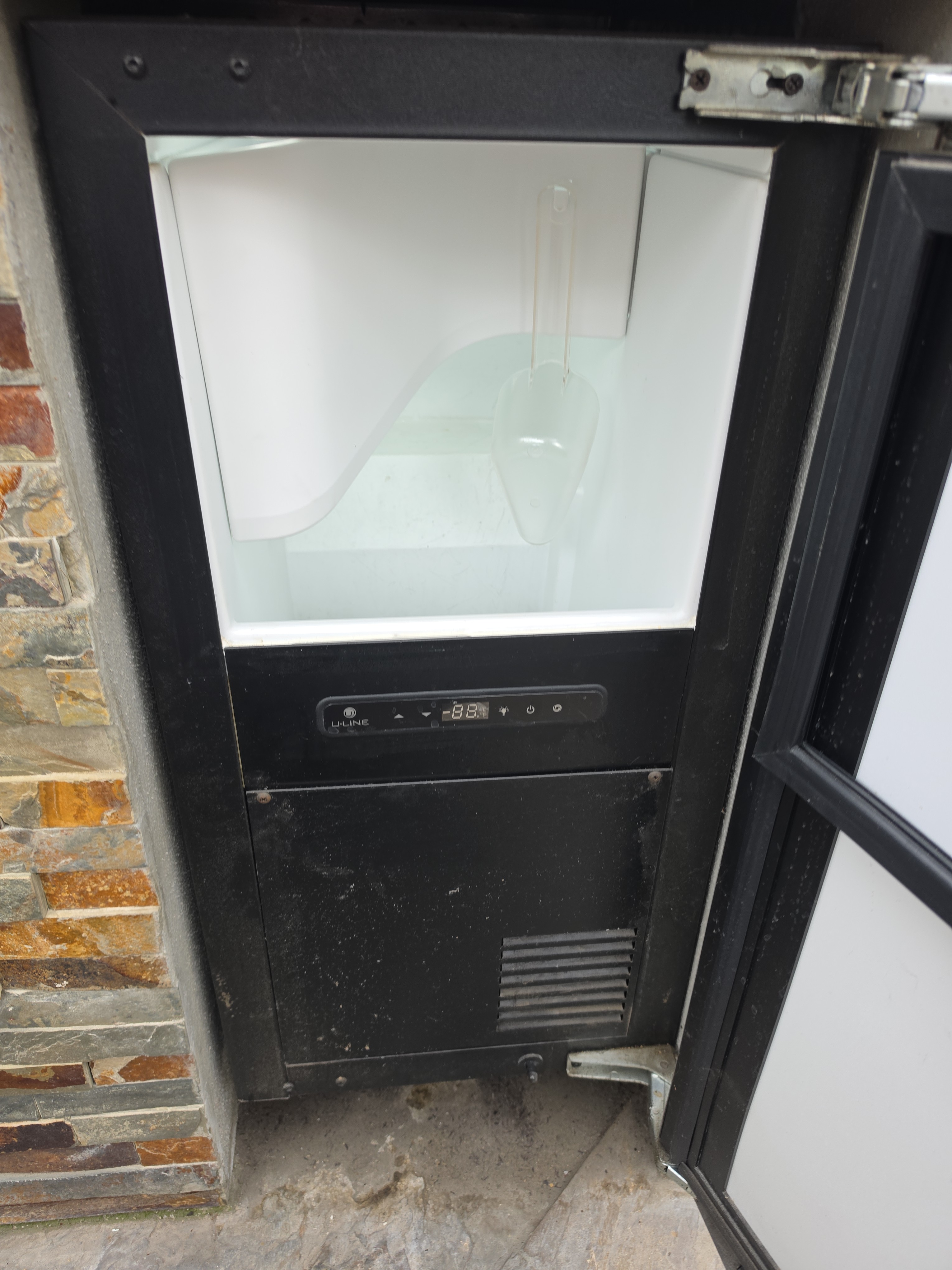
Sometimes the answer is not a part
A homeowner in Pasadena called A+ Appliance Repair and Maintenance about a U-Line ice maker that had stopped making ice. The unit was running. It was not throwing an error. It simply was not producing.
We want to be straightforward about how this one ended, because it is a useful story precisely for what it was not. We did not replace anything. This machine needed to be cleaned, and once it was, it went back to making ice.
That is not the outcome most people expect when they call a repair company, and it is not the outcome that generates the biggest invoice. But it is the correct one, and telling a customer their appliance needs service rather than parts is a large part of doing this job honestly.
Why ice makers are different from every other appliance
Undercounter ice machines are, by a wide margin, the most maintenance-dependent appliance in a typical home. It is worth understanding why, because it explains a failure that otherwise makes no sense.
Think about what this machine does all day. It continuously runs water over a chilled surface, freezes part of it, and discards the rest. That process is not neutral with respect to the water. When water freezes, it rejects dissolved minerals. Ice forms relatively pure, and everything that was in the water gets left behind in what remains.
So an ice maker is not just using water. It is concentrating everything that was in it, over and over, in the same small enclosure, day after day. In an area like Pasadena with genuinely hard water, that adds up fast.
Compare that to a refrigerator, which is a sealed cold box, or a dishwasher, which fills and drains and gets flushed constantly. Neither of them runs a continuous mineral concentration process as their core function. The ice maker does.
What buildup actually does to production
The critical surface in one of these machines is the evaporator, the plate or grid where ice forms. It has to do two contradictory things well: get cold enough to freeze water quickly, and then release the finished ice cleanly so a new batch can start.
Scale on the evaporator interferes with both. Mineral deposit is a thermal insulator, so it sits between the refrigeration system and the water and slows heat transfer. Freeze cycles get longer. The machine works harder for less output. And then the harvest side fails, because ice that has formed on a rough, scaled surface does not release the way it should. It sticks. The machine tries to harvest, does not succeed, and either stalls or restarts the cycle with the old ice still attached.
The visible result is a machine that hums along all day and produces nothing, or produces small, cloudy, poorly formed cubes. From the outside it looks like a refrigeration failure, which is an expensive category of problem. Very often it is scale, which is not.
Water lines, the pump, and the reservoir accumulate the same deposits and contribute their own restrictions. Add biofilm, which grows readily in a wet enclosure with a food product in it, and you get a machine that is both underproducing and worth cleaning for hygiene reasons regardless.
The service the manual asks for and nobody does
If you read the manual for a U-Line, Scotsman, Sub-Zero, or any other undercounter ice machine, it will tell you the unit needs periodic cleaning and descaling. Manufacturers generally suggest something in the range of twice a year, more often with hard water.
Almost nobody does this. It is not negligence so much as a mismatch in expectations. People treat an ice maker as an appliance in the same category as a refrigerator, and refrigerators do not ask for anything. So the ice maker gets installed, works beautifully for a few years, gradually declines, and then stops. At that point the owner reasonably concludes it is broken.
It is often not broken. It is overdue.
What we did and what to do next
Our technician cleaned the unit, addressing the scale and buildup that had accumulated in the ice-making system, and the machine returned to producing ice. No parts were needed and none were installed.
Going forward, the useful things for any homeowner with one of these are straightforward. Have the machine cleaned and descaled on a schedule rather than waiting for production to fall off, and given the water in this area, twice a year is a sensible target. Use the manufacturer's recommended ice machine cleaner rather than improvising, since the chemistry is designed for the metals in these units. Keep the condenser area free of dust, because a machine that cannot shed heat efficiently runs longer and concentrates minerals faster.
And pay attention to the early signals, which show up long before the machine quits. Cubes getting smaller, cubes coming out cloudy or hollow, production slowing down so the bin never fills the way it used to, ice that tastes or smells off. Every one of those is the same message arriving early.
If you are on well water or have particularly hard water, a filter on the supply line is worth the money. It does not eliminate the need for cleaning but it meaningfully extends the interval.
Ice maker and refrigeration service across Pasadena
We service undercounter and built-in ice machines from U-Line, Scotsman, Sub-Zero, Marvel, and the other brands common in kitchens around Pasadena, San Marino, and Sierra Madre, and we handle both the maintenance side and actual component failures when that is what it turns out to be.
Our pricing is quoted upfront before any work starts, so there are no surprises, and the work is backed by our repair warranty. When a job turns out to need service rather than parts, we say so. We would rather have a customer who trusts what we tell them than one extra parts sale.
If your ice maker has been producing less than it used to, that is the moment to get it looked at. Cleaning a machine that is struggling is a great deal easier than reviving one that has quit entirely, and it costs less.