

The Cheapest Part on a True Refrigerator Causing the Biggest Problem in San Marino
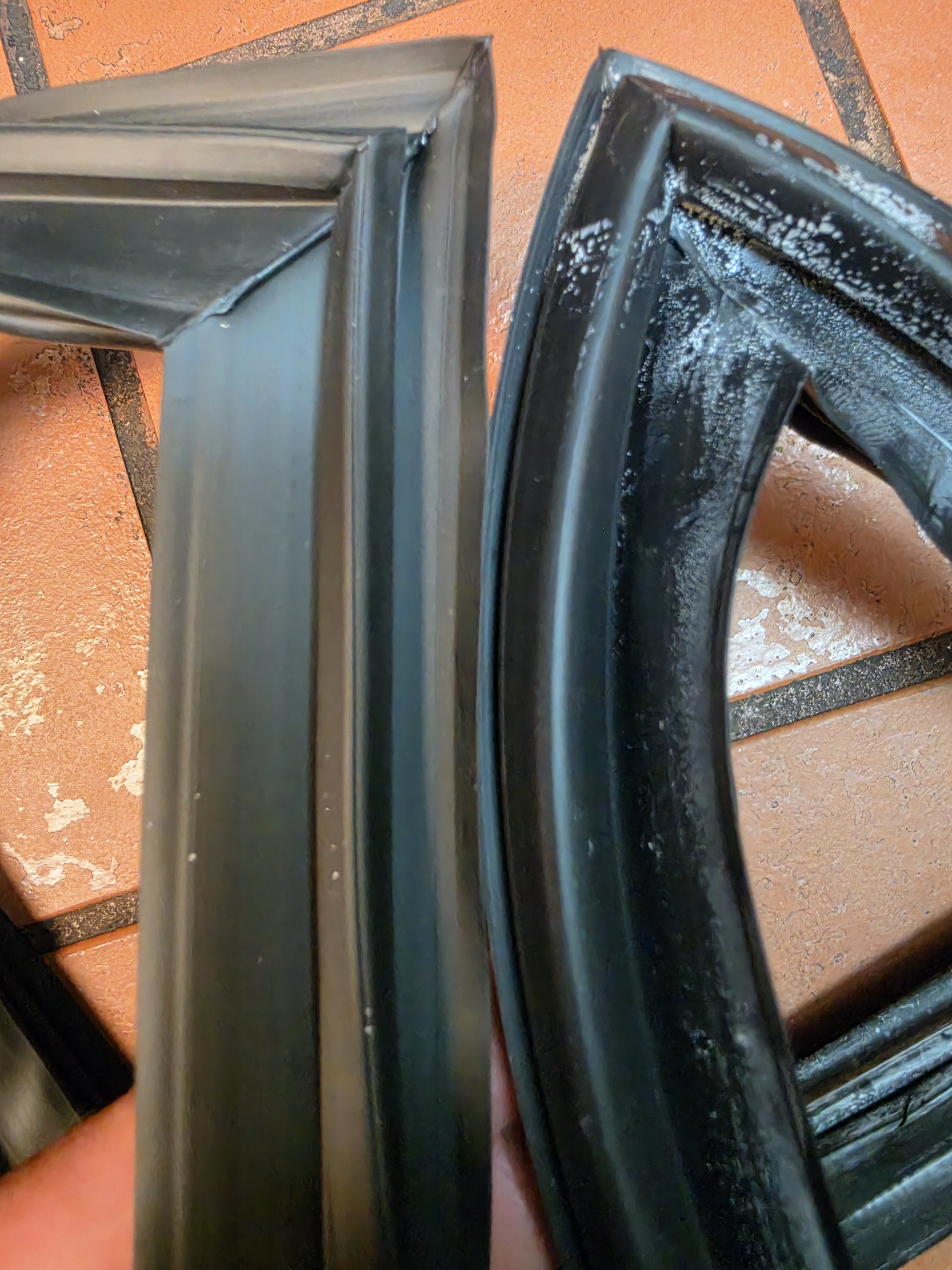
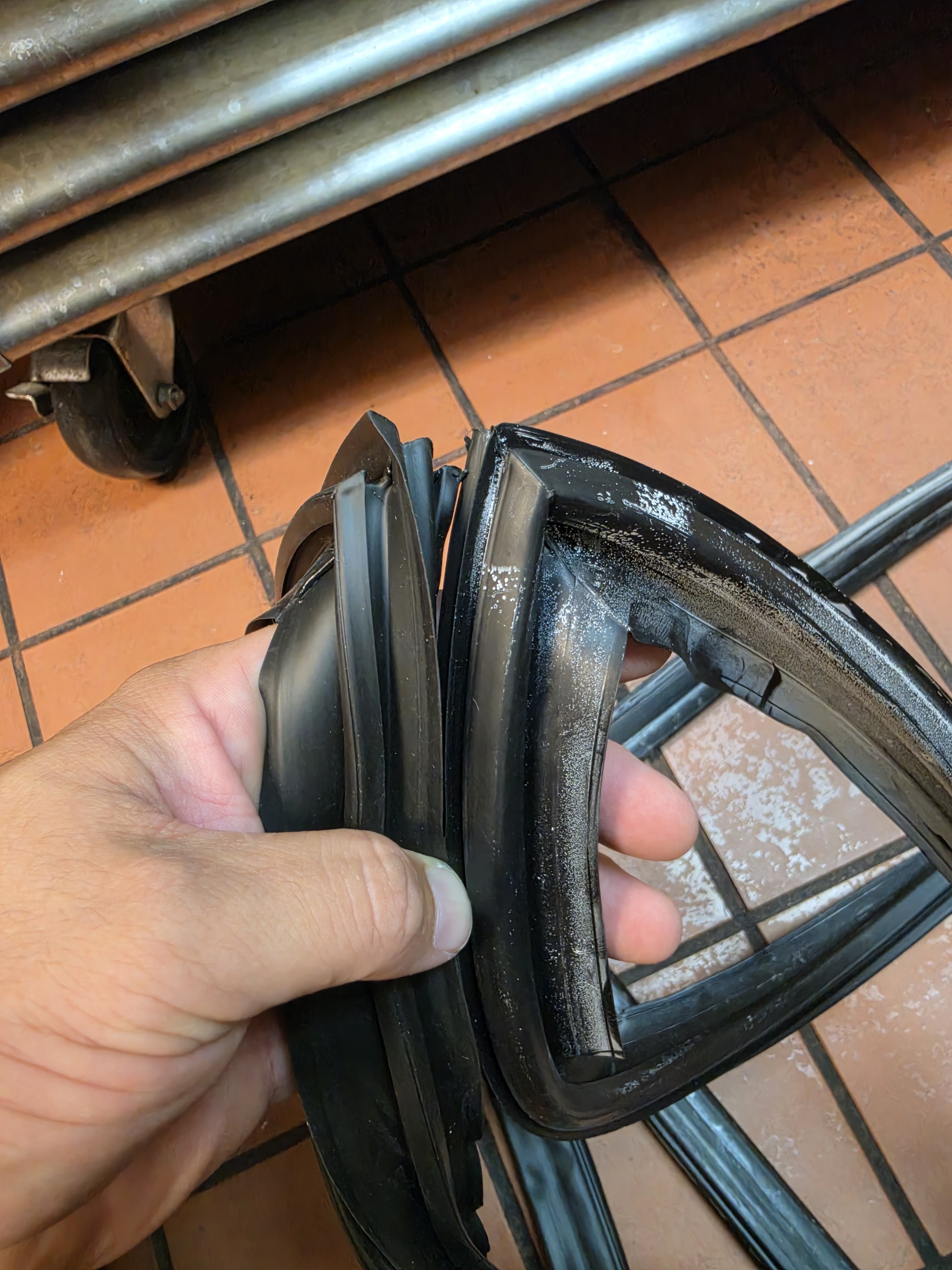
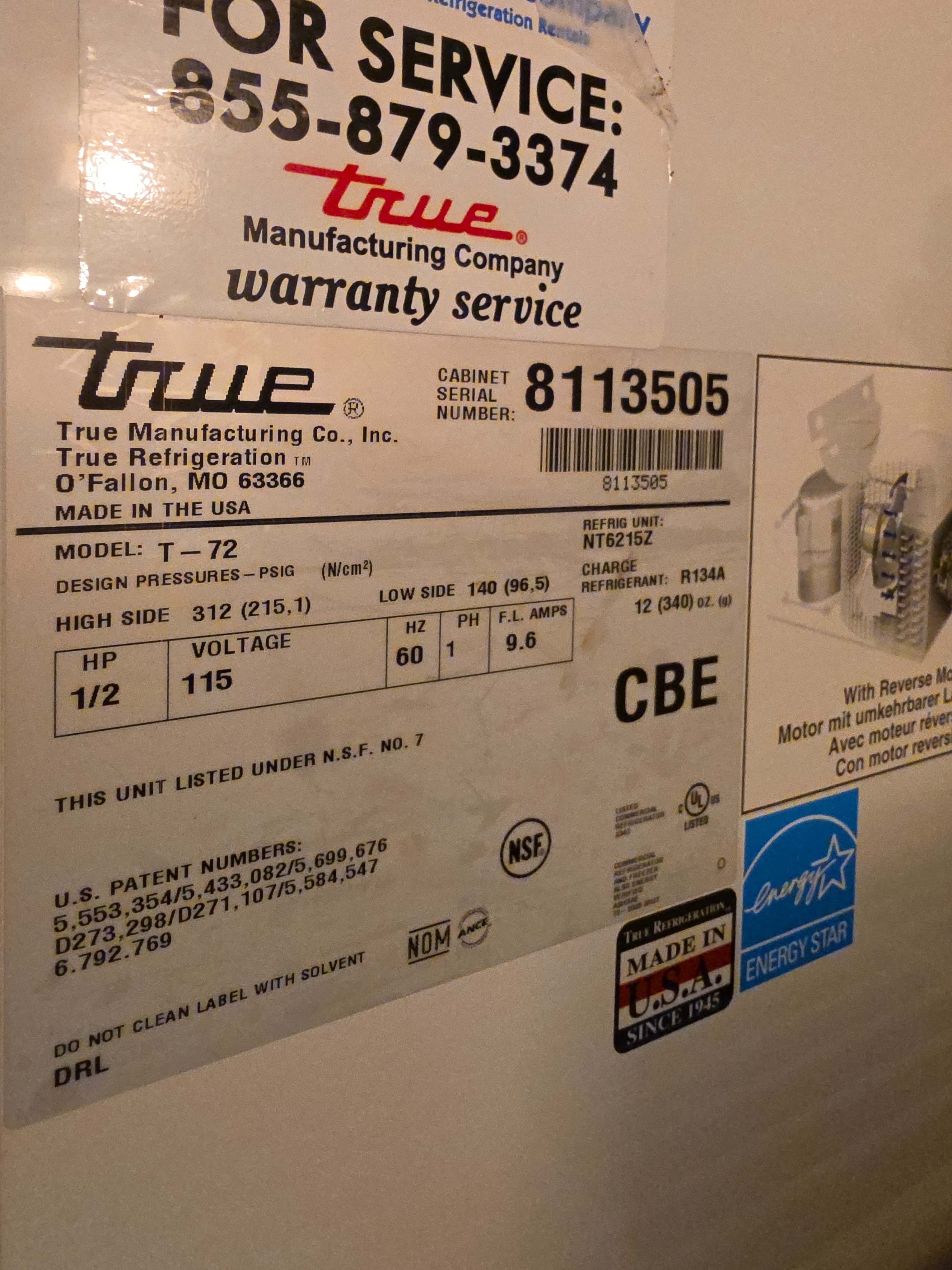
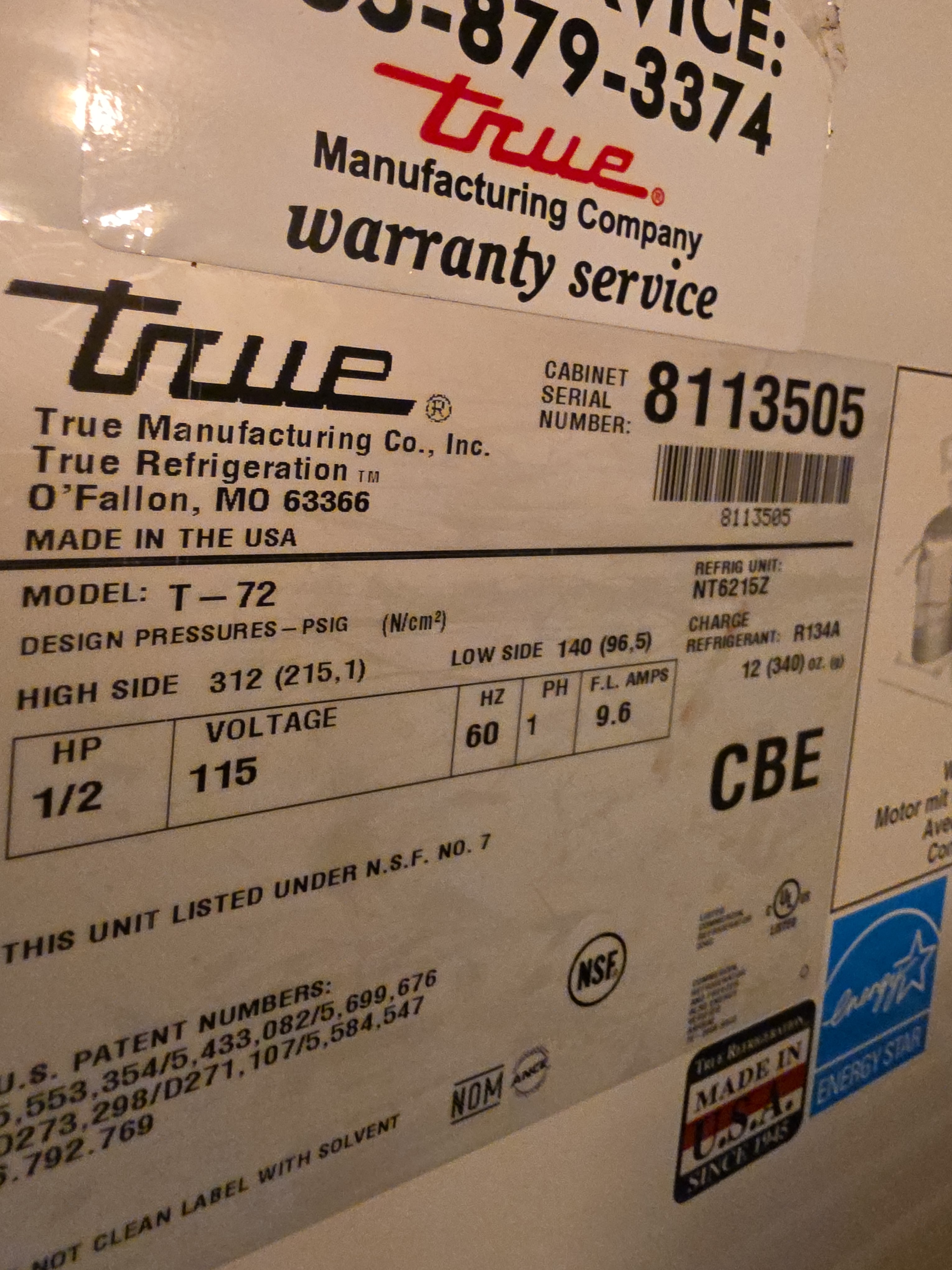
A San Marino homeowner needed the door gasket replaced on their True refrigerator. A gasket is one of the least expensive components in the entire appliance, and a failed one causes more expensive trouble than almost anything else that can go wrong. When the seal stops sealing, warm humid air leaks in continuously, the compressor never gets to rest, and energy costs climb while the unit's life gets shorter. Our technician replaced the door gasket and restored a proper seal.
A strip of rubber worth more than it looks
A homeowner in San Marino needed the door gasket replaced on their True refrigerator. On paper that is about as simple as appliance work gets. A gasket is a flexible strip of material around the perimeter of the door, it is not electrically complicated, and it is one of the least expensive parts in the entire machine.
It is also, pound for pound, the component whose failure causes the most downstream damage. Almost everything people complain about with a refrigerator that seems to be dying can be traced back to a seal that has stopped sealing.
What a gasket is actually holding back
A refrigerator does not make cold. It moves heat out of a box, and it keeps working as long as heat keeps finding its way back in. The insulation in the walls handles most of that. The door, which has to open, relies entirely on the gasket.
When the gasket is good, the seal is continuous and the compressor only has to overcome the slow heat leak through the insulation plus whatever comes in when you open the door. It runs in cycles, does its work, and shuts off. That off time matters enormously, because a compressor that gets to rest lasts a long time.
When the gasket is worn, cracked, hardened, or deformed, there is a continuous opening. Warm room air flows in constantly. The refrigerator never reaches the point where it can stop working, so the compressor runs and runs, sometimes almost without pause.
The symptoms people call about instead
Here is the interesting part. Almost nobody calls about a gasket. They call about what the gasket is causing, and the list is long.
Condensation and moisture are usually first. Warm air carries humidity, and when it hits cold surfaces it condenses. You get water pooling inside, damp shelves, sweating on the exterior around the door, and sometimes moisture in the surrounding cabinetry, which in a built-in installation is a real concern.
Frost and ice buildup come next. That same incoming humidity freezes on the coldest surfaces it reaches. People find frost accumulating in a unit that should not be producing any, and assume the defrost system has failed. Sometimes it has. Often it is being overwhelmed by a moisture load it was never designed to handle.
Temperature problems follow. Sections of the refrigerator run warmer than they should, particularly near the door. Food does not last. The thermostat gets turned colder in response, which makes the compressor run even more without addressing the leak.
Then there is the energy bill, which climbs quietly and rarely gets connected to the refrigerator at all. A compressor running nearly continuously instead of cycling uses a great deal more electricity.
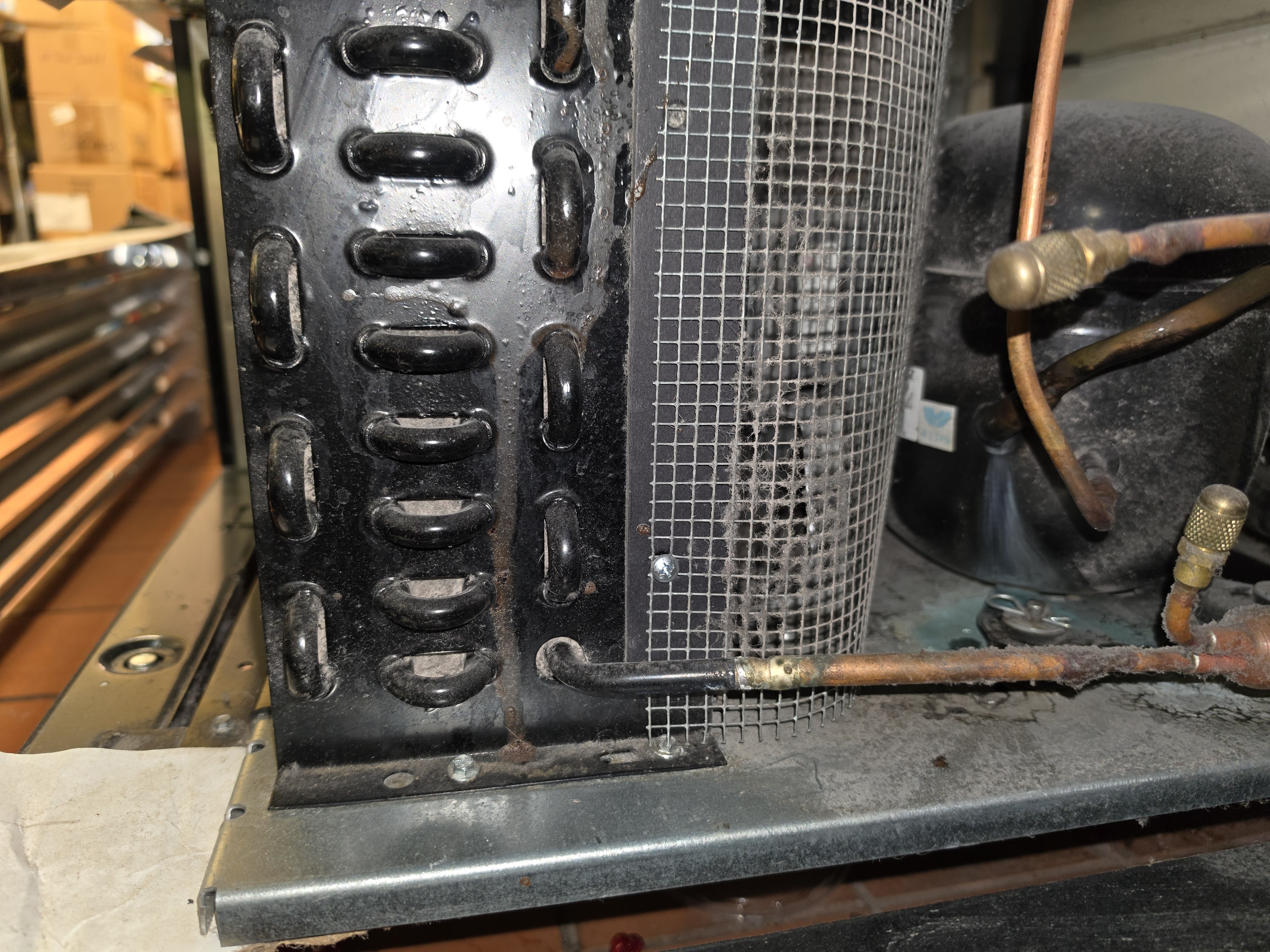
And underneath all of it, the wear. Compressors are rated in terms of duty, not calendar years. One that never gets to rest is aging at several times the normal rate, and a compressor failure is on a completely different financial scale than a gasket. That is the real reason a worn seal deserves attention: it is quietly spending down the most expensive component in the appliance.
Why gaskets fail
Gaskets wear out on their own schedule. The material is flexible by design and it does not stay that way forever. It hardens with age, particularly with temperature cycling, and hardened material does not conform to the cabinet the way it needs to.
Grime accelerates it. Food residue, sticky spills, and general kitchen buildup collect in the folds of the gasket. That prevents proper contact directly, and it also degrades the material over time.
Physical damage plays a part. Doors get pulled hard, items in the door catch the seal, and over years the material stretches or tears at the corners where stress concentrates.
And on a heavily used unit, sheer cycle count does it. Every opening flexes the seal. That adds up.
The dollar bill test
There is a simple check anybody can run, and it takes two minutes.
Take a dollar bill and close the refrigerator door on it so half is inside and half is out. Pull it. You should feel real resistance, enough that the bill drags noticeably as it comes free. Now do the same thing at intervals all the way around the door, both sides, top and bottom, and especially at the corners.
Anywhere the bill slides out easily, the seal is not making contact. Corners are usually the first place to fail because the material is under the most stress there.
You can also look at the gasket itself. Run your fingers along it. It should be pliable and springy. If it feels stiff, brittle, or has visible cracks and flat spots where it has taken a set, it is at the end of its life. And if you can see daylight anywhere along a closed door, that is settled.
Cleaning is worth doing before concluding anything, because a gasket that is simply dirty will seal poorly and then seal fine once it is cleaned. Warm water and mild soap, get into the folds, dry it afterward. Do that a few times a year and gaskets last considerably longer.
Commercial-grade refrigeration in a residential kitchen
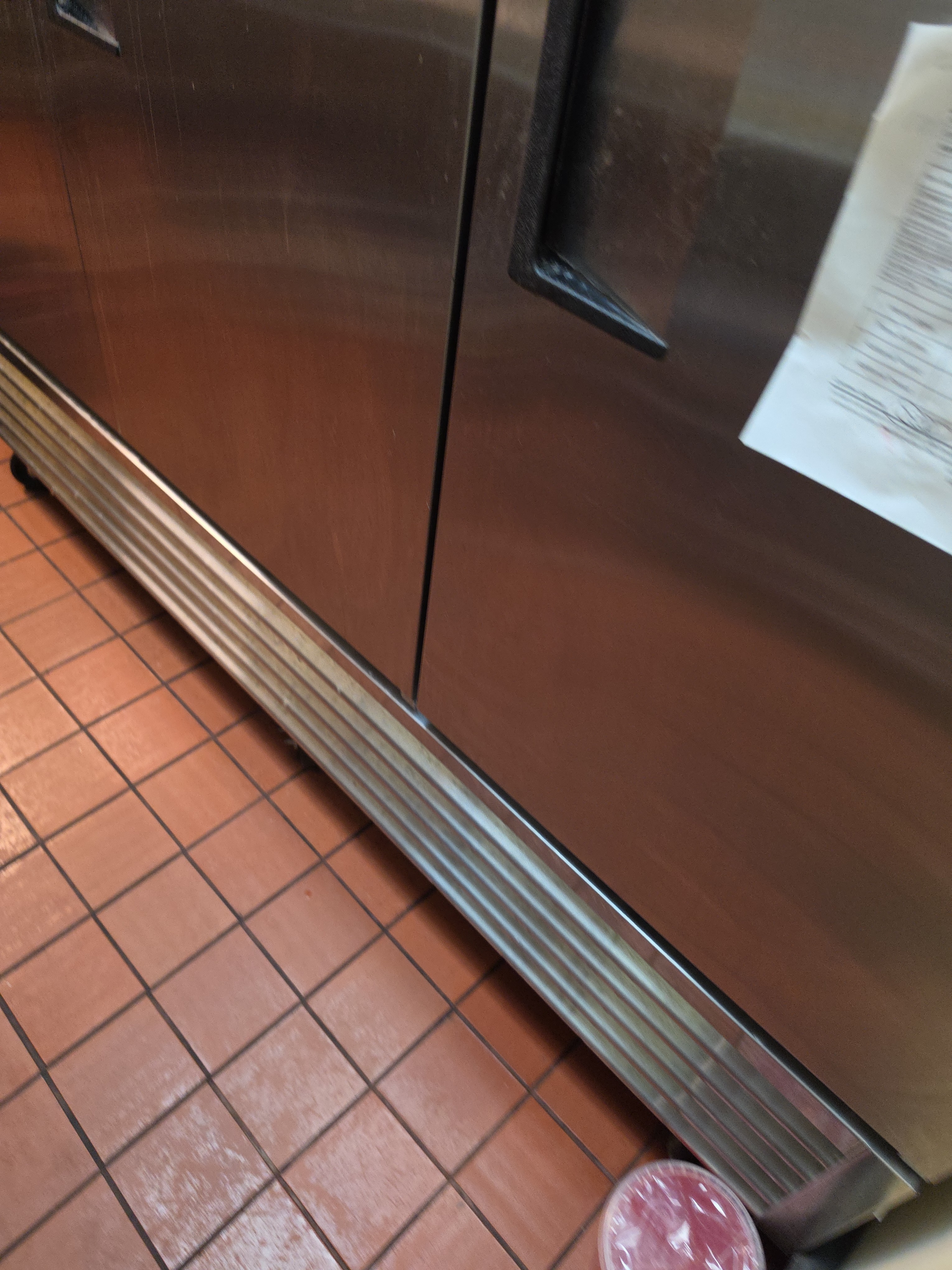
True is a commercial refrigeration brand, and units like this one show up in home kitchens where the owner wanted equipment built to a commercial standard. They are excellent machines, built heavier than residential units and designed to be serviced rather than discarded.
What that means practically is that parts and specifications differ from what a residential-only technician typically works with, gaskets very much included. Getting the right part and seating it correctly all the way around is what determines whether the repair actually restores the seal or just looks like it did.
We work on True, Sub-Zero, Thermador, Viking, and Wolf alongside standard residential brands throughout San Marino, Pasadena, South Pasadena, and Arcadia. Pricing is quoted upfront, the service call is waived when you go ahead with the repair, and the work carries our repair warranty.
If your refrigerator has been running more than it used to, or you are seeing condensation or frost that was not there before, run the dollar bill test before assuming the worst. There is a good chance the fix is a strip of rubber rather than a compressor.