

A Maytag Dryer That Turned Loud in Pasadena
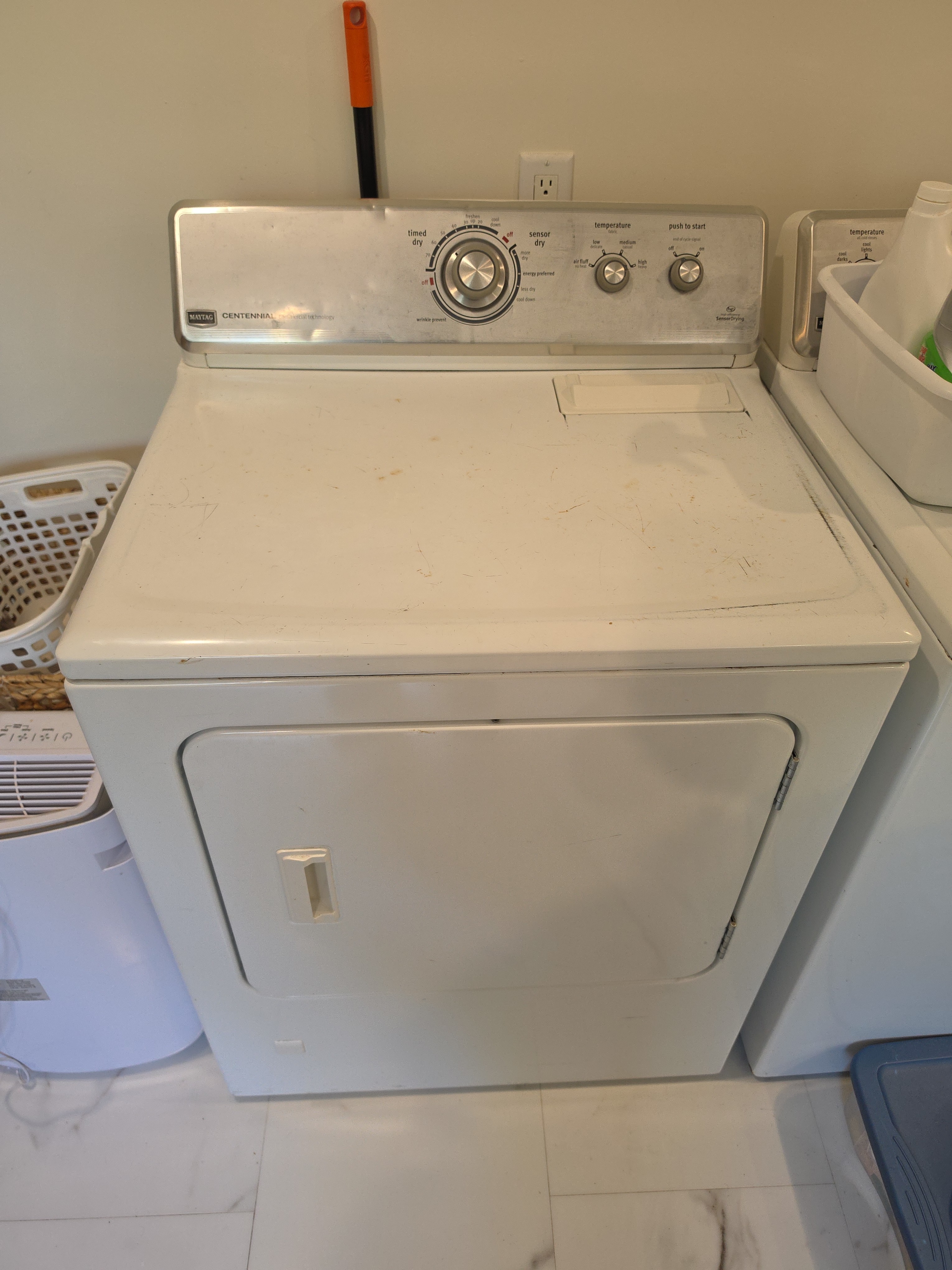
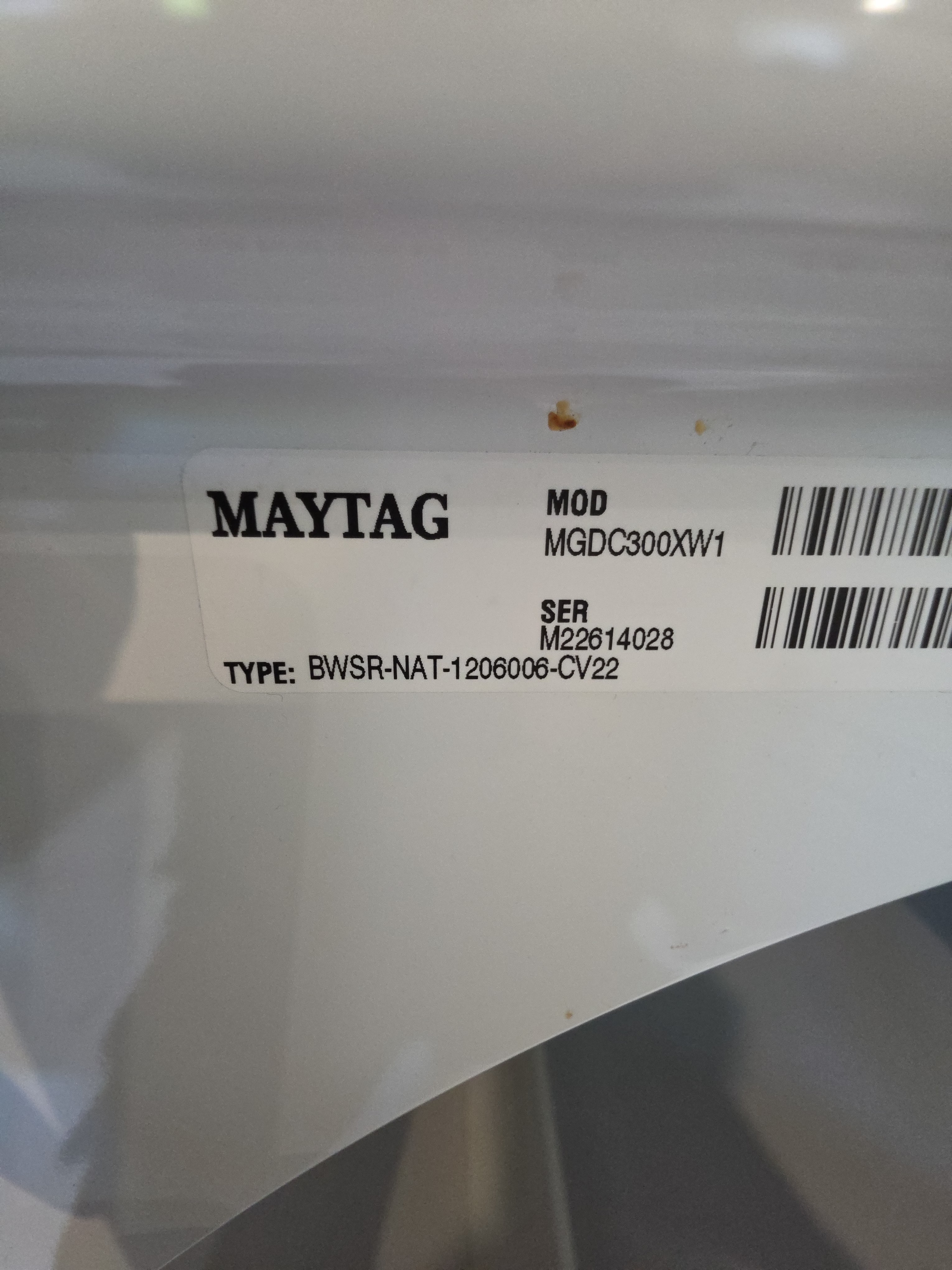
A Pasadena homeowner called A+ Appliance Repair and Maintenance about a Maytag dryer that had become loud enough to hear across the house. A dryer that suddenly gets noisy is almost always telling you about a worn moving part, the drum support rollers, the idler pulley that tensions the belt, or the drum glides and bearing, all of which wear from years of the drum turning against them. Our technician isolated the source of the noise, replaced the worn parts, and ran the dryer to confirm it turned quietly and smoothly again. Caught early, a noisy dryer is a straightforward repair rather than a damaged drum.
A Maytag Dryer That Got Loud in Pasadena
A homeowner in Pasadena called A+ Appliance Repair and Maintenance about a Maytag dryer that had started making loud noises. It still ran, it still dried, but it had gone from a quiet background hum to something you could hear from another room, a rumble, thump, or squeal that got worse as the load went on.
A dryer that suddenly turns loud is not a mystery to a technician who works on them. It is one of the most common calls we take, and the causes are a short, predictable list of moving parts that wear out from doing exactly what they are built to do.
What is actually spinning in there
A dryer looks simple from the outside, but inside, a large drum full of wet, heavy laundry has to turn smoothly thousands of times per load, and it does that by resting on and being guided by several small parts. Those parts are what wear, and each makes its own kind of noise as it goes.
The drum support rollers are small wheels the drum rides on. As their bearings wear, they produce a deep rumble or thumping that tends to get louder as the dryer warms up and the load tumbles. The idler pulley keeps tension on the drive belt, and its bearing spins constantly whenever the dryer runs, so when it wears it often makes a high squeal or chirp. On many dryers the drum turns against felt glides and a rear bearing or shaft, and when those wear down you can get scraping or grinding as the drum runs slightly out of true.
Every one of these is a part designed to take the friction so the drum does not. They are wear items. The noise is the sound of one of them reaching the end of its service life.
Why you do not want to ignore it
A noisy dryer is easy to live with for a while, and that is the trap. The noise is the early, cheap stage of the problem. If a worn roller or bearing is left to keep running, the drum can begin to sag or wobble, which puts wear on other parts, can chew up the drum seals, and in the worst cases lets the drum rub where it should not. A repair that would have been a set of small parts becomes a bigger one.
There is also a belt to consider. A seized idler pulley or a roller that locks up can throw or shred the drive belt, and then the dryer stops turning entirely, usually at the least convenient moment. The loud noise is the warning that comes before that.
Finding the exact source
The different noises point to different parts, but they overlap enough that guessing is a poor strategy. Our technician opened the dryer and checked the moving parts directly, spinning the drum by hand and feeling and listening for which component had the play, roughness, or noise. A worn roller has a telltale drag and rumble. A bad idler bearing is rough or noisy when you turn it. A worn rear bearing shows up as slop in how the drum sits.
Identifying the actual culprit, rather than replacing everything on the list, is what makes the repair efficient and keeps the cost sensible. It is also what makes it complete, because a noise coming from a second worn part will still be there if only the first one is addressed.
The repair
We replaced the worn parts responsible for the noise and serviced the moving components while the dryer was open, which is the natural time to do it. With everything reassembled, our technician ran the dryer and confirmed the drum turned smoothly and quietly, with the rumble and squeal gone, and that it came up to heat and tumbled the way it should. Running it after the repair is not a formality. It is how you confirm the noise is actually gone under load and not just quiet while empty.
Getting a long, quiet life out of a dryer
A few habits genuinely reduce wear and noise. Clean the lint filter every load, because a clogged filter makes the dryer run hotter and longer, and heat is hard on bearings and glides. Do not overload the drum, since a heavy, packed load puts more strain on the rollers and belt. And treat a new noise as information. The quiet, early rumble is the moment to call, when it is still a small, inexpensive repair rather than a cascade of damaged parts.
About A+ Appliance Repair and Maintenance
We service Maytag, Whirlpool, LG, Samsung, GE, Kenmore, and every other major dryer brand throughout Pasadena and the surrounding San Gabriel Valley. Our technicians are trained and carry common parts, so a noisy-dryer repair like this one can usually be diagnosed and completed in a single visit.
We quote the price upfront before any work begins, we waive the service call fee when you move forward with the repair, and every completed repair is backed by our full repair warranty. If your dryer has gotten loud, have it looked at before the noise turns into a dryer that will not turn at all. Caught early, this is one of the more satisfying and affordable repairs we do.