

LG Washer Drain Pump Repair and Follow-Up Visit in Naperville, IL
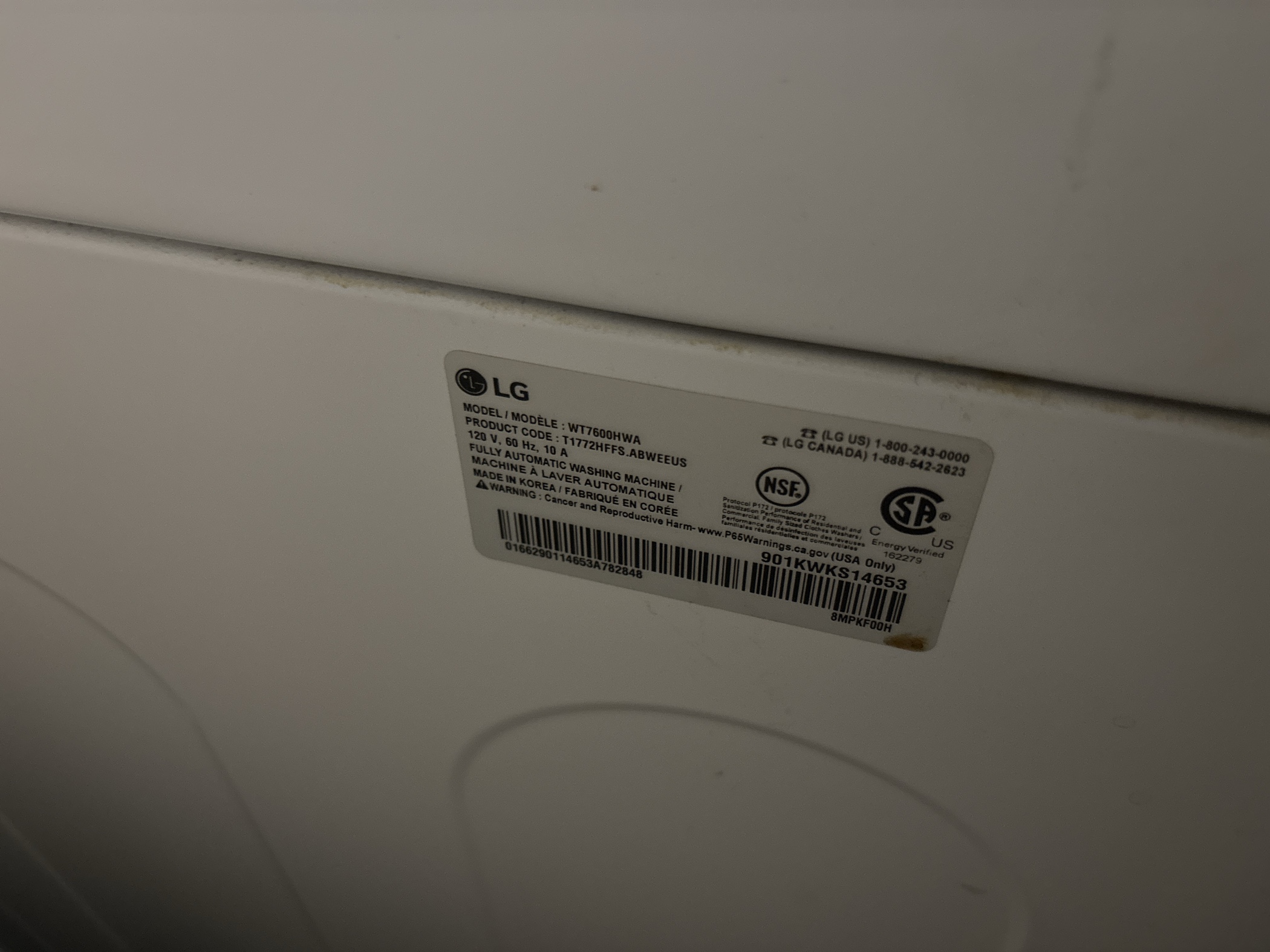
A Naperville homeowner originally called A+ Appliance Repair and Maintenance about an LG washer that would not drain, and we resolved it by replacing the drain pump assembly. On a return visit the customer reported a different issue: on one occasion the washer had started a new cycle instead of completing the one it was running. Our technician first confirmed the original repair had held, with the new drain pump operating properly and the washer draining as designed. Diagnostic testing then revealed an unbalanced load error stored in the control's history, which explains a washer interrupting its spin to redistribute an off-center load. To rule out anything mechanical, we ran a complete wash cycle with laundry in the drum and found it finished normally, with shock absorbers in good condition, the drum rotating smoothly, and no abnormal noise or vibration. We left the homeowner with practical guidance on load distribution and leveling rather than an unnecessary part.
The Follow-Up Visit: An LG Washer in Naperville
Most of what gets written about appliance repair stops at the moment the part goes in. The technician fixes the machine, everyone shakes hands, the story ends. Real service work is not always that tidy, and this job is a good example of what actually happens sometimes.
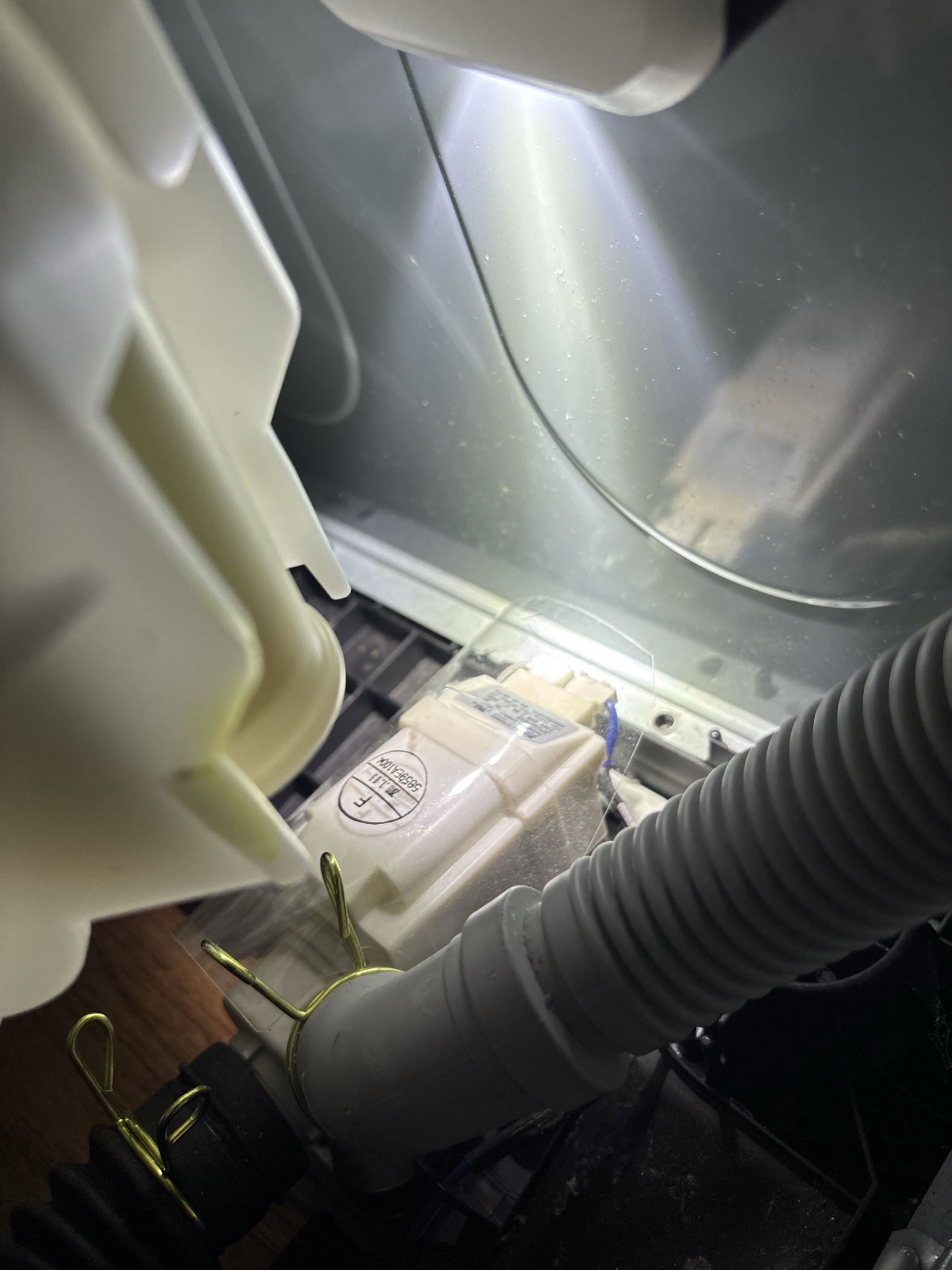
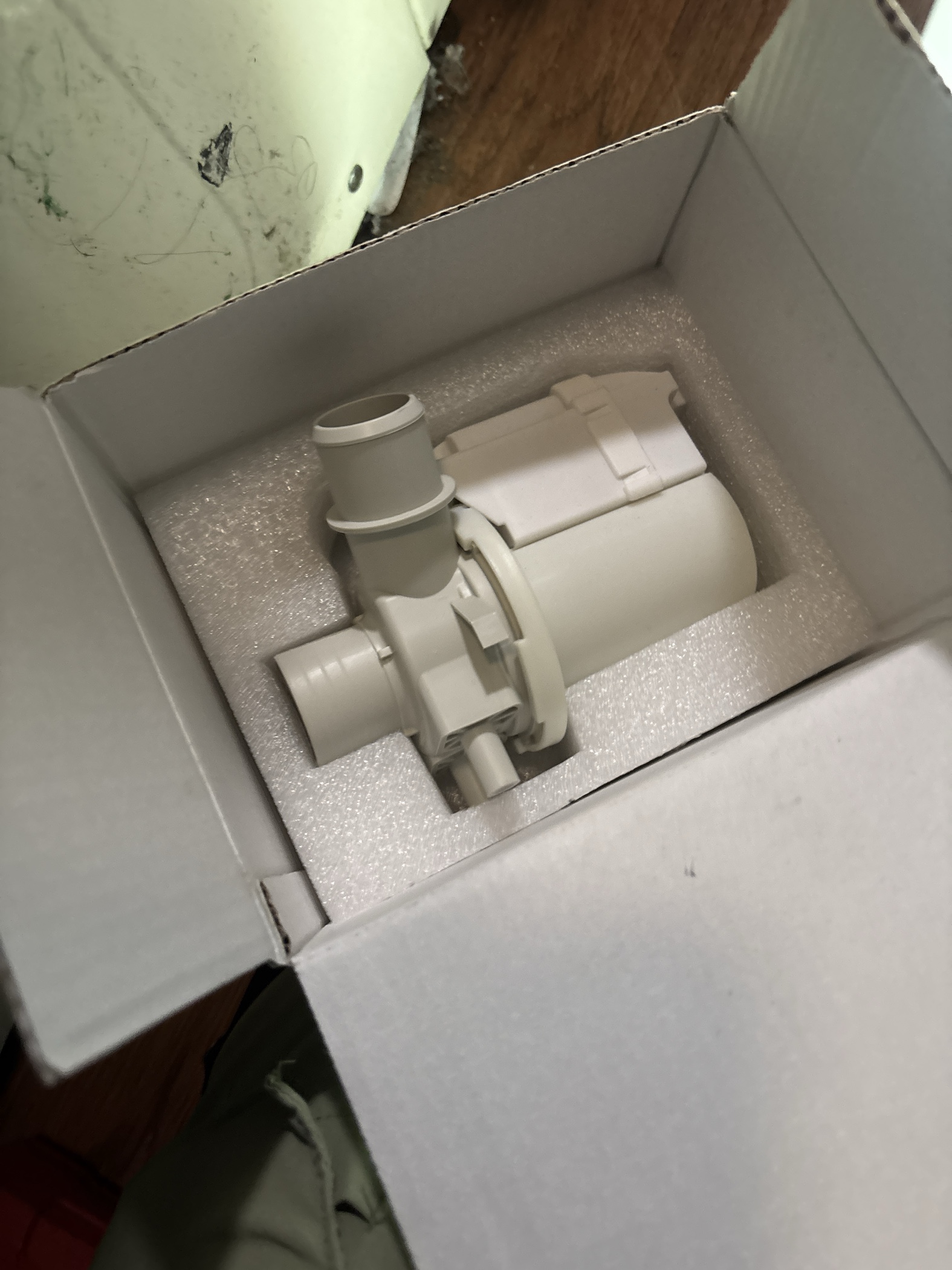
A homeowner in Naperville originally called A+ Appliance Repair and Maintenance because their LG washer would not drain. Water stayed in the tub at the end of the cycle, which is the failure that stops laundry day completely. We diagnosed a failed drain pump and replaced the drain pump assembly.
Then they called again.
Starting the return visit with the right question
When a customer calls back after a repair, there is a temptation to get defensive about it. We think that instinct is exactly backwards. A callback is information, and the first thing to establish is whether the original repair actually held.
So that is where our technician started on the return visit. The drain pump was operating properly. The washer was draining as designed. Water was leaving the tub the way it should, with no sign of the original complaint returning.
That mattered, because the new complaint was not the old complaint. The customer reported that on one occasion the washer had started a new cycle instead of finishing the one it was running. That is a different symptom with a different cause, and it needed its own diagnosis rather than an assumption that the pump work had gone wrong somehow.
What the machine had recorded
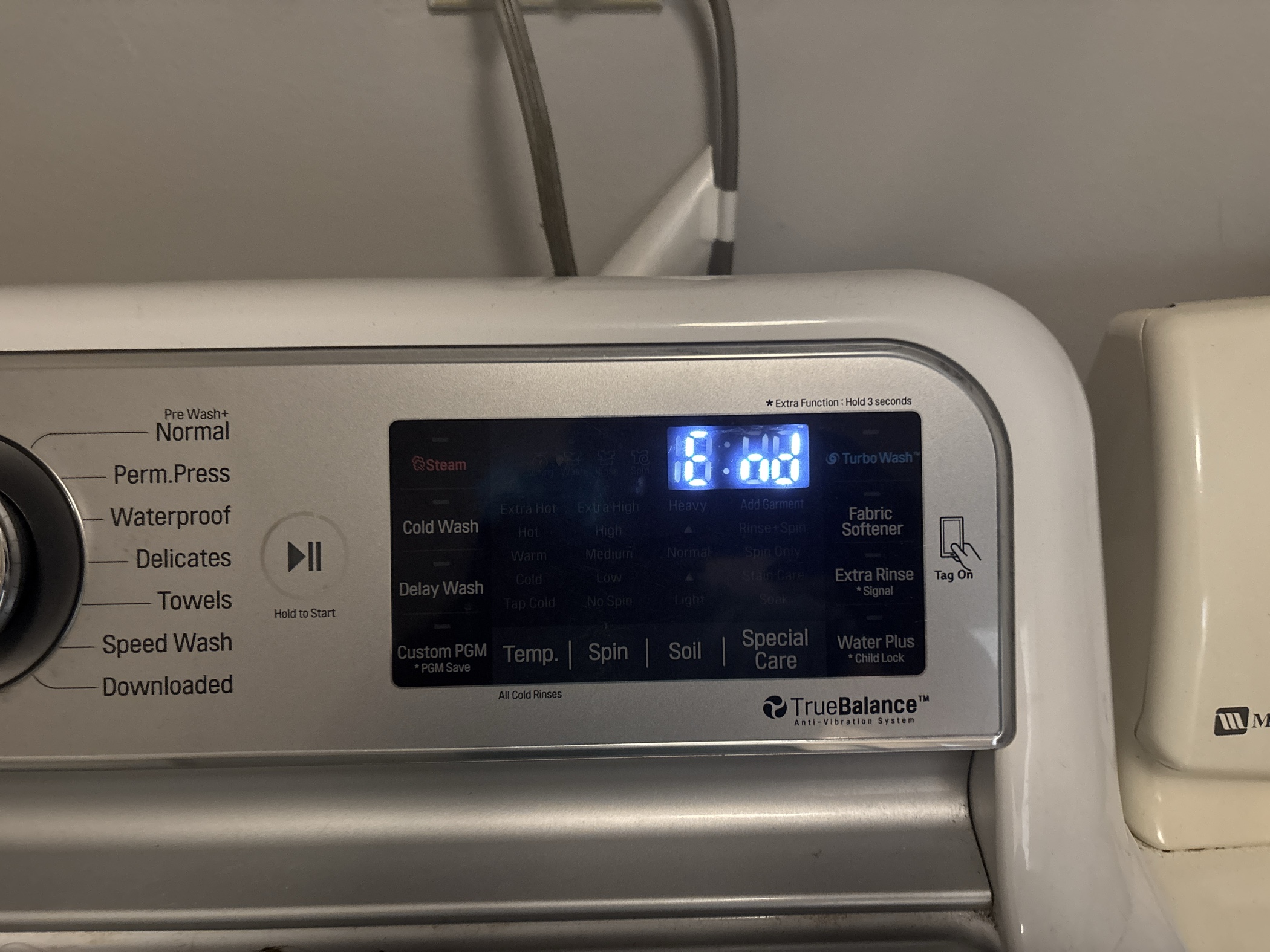
Modern washers keep a history. Diagnostic testing pulled the control's stored error history, and there it was: an unbalanced load error.
That single entry explains the behavior the customer saw. When a front load washer reaches the spin phase and the laundry inside is bunched to one side, the drum tries to accelerate an off-center mass. The machine detects the imbalance through vibration, and rather than let itself hammer against the cabinet at high speed, it interrupts the spin. Depending on the model and the cycle, it will slow down, add water, and try to redistribute the load, which to someone standing in the laundry room looks exactly like the washer deciding to start over.
It is not a fault in the ordinary sense. It is the machine protecting itself, and it is the same instinct behind every safety cut-out in every appliance we work on.
Verifying rather than assuming
Reading an error code and explaining it is easy. Proving that nothing mechanical is behind it takes actual work, and that is what the rest of the visit was for.
Our technician ran a complete wash cycle with laundry in the drum. Not a quick spin test with an empty tub, which tells you very little, but a full cycle under real conditions. The washer completed the entire cycle normally, with no interruptions and no delays.
We inspected the shock absorbers, the components that dampen drum movement during the spin, and found them in good condition. The drum rotated smoothly with no abnormal noise and no excessive vibration. There were no mechanical or operational problems present in the machine.
That is a real finding, not a shrug. It rules out the failures that would produce repeated cycle restarts: worn shocks, failed suspension, a bad bearing, or a drum out of alignment. The washer was mechanically sound.
What we recommended
Since the cause was an unbalanced load rather than a component failure, the fix belongs to how the machine gets loaded rather than to a part.
Redistribute laundry evenly inside the drum, particularly when you are washing a small number of heavy items. A single soaked comforter, a bath mat, or three pairs of jeans on their own are the classic offenders, because they have enough mass to throw the drum off balance and not enough volume to settle evenly on their own. Mixing large and small items together helps the load pack more evenly.
Verify the washer is level and stable on the floor. A machine that rocks even slightly amplifies every bit of imbalance during the spin, and a front loader spinning at high speed is not forgiving about it. All four feet should be in solid contact with the floor and the locking nuts should be tightened up against the cabinet.
And avoid overloading. A drum packed too full cannot tumble properly, so the laundry never redistributes on its own during the wash.
Why we handle callbacks this way
We could have told this customer over the phone that an unbalanced load is normal and left it there. It would have been technically accurate and it would have been poor service.
Going out, pulling the error history, running a full cycle with a real load, and physically inspecting the suspension is how you turn probably fine into verified fine. The homeowner now knows their washer is mechanically sound, knows what caused the behavior they saw, and knows what to do about it. That is worth a visit.
A+ Appliance Repair and Maintenance services LG, Samsung, Whirlpool, Maytag, Bosch, GE, and every other major brand across Naperville, Lisle, Aurora, Plainfield, and the surrounding communities. We quote honestly and upfront, we waive the service call fee when you move forward with the repair, and every completed repair carries our full repair warranty. When you call us back, we come back.