

Melted Polyester in a Dryer Duct in Highland Park, Los Angeles
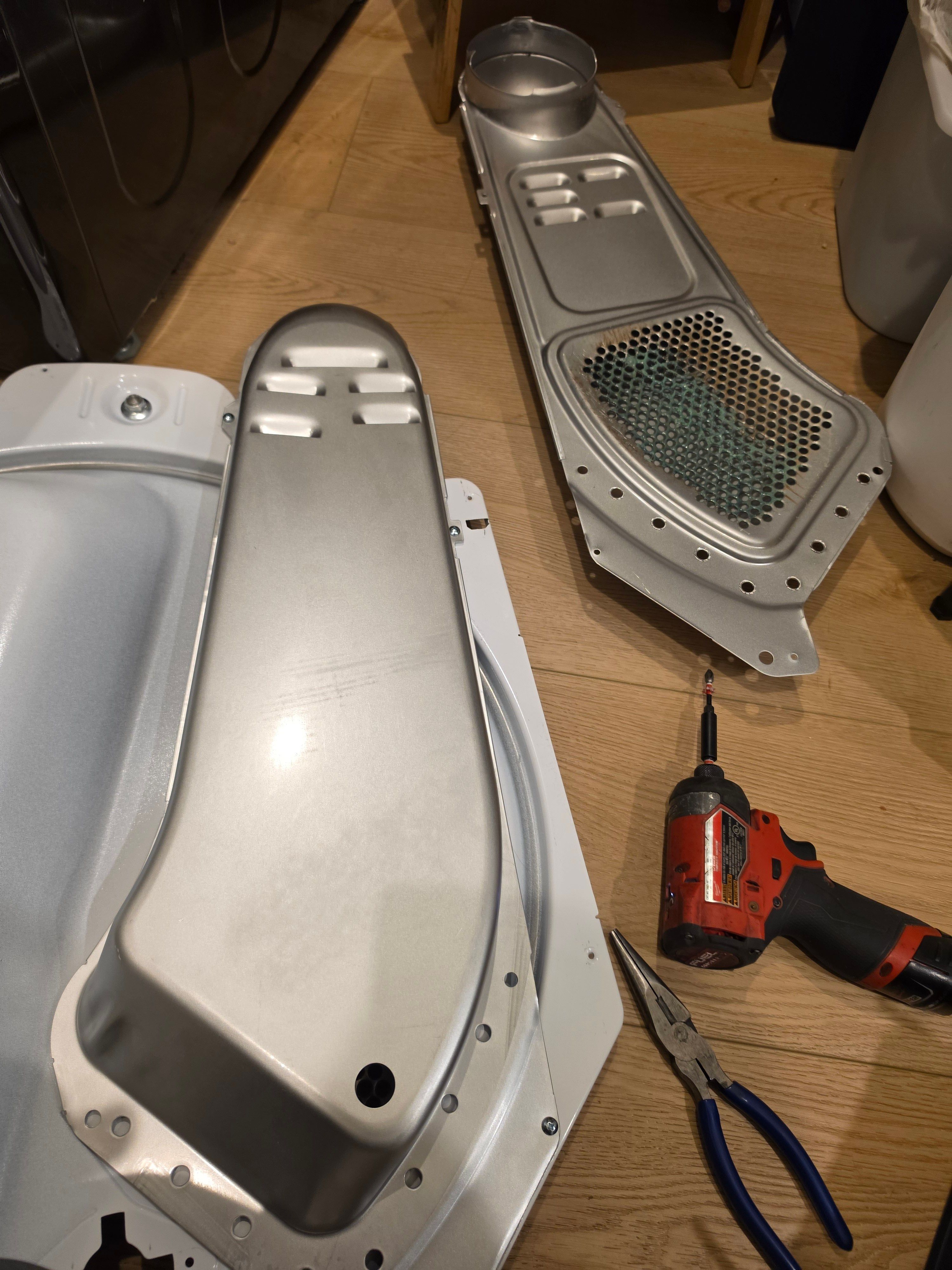
A Highland Park homeowner accidentally ran a polyester item through a hot dryer cycle and it melted onto the inside of the exhaust duct. The residue hardened into a glazed layer that lint stuck to immediately, choking airflow and creating a real fire risk. Because melted synthetic cannot be cleaned out of ducting, our technician replaced the duct on this LG dryer rather than attempting to scrape it. This job is a reminder that lint is not the only thing that blocks a dryer vent.
One load of laundry, one expensive mistake
Most dryer problems build up slowly. A part wears, a sensor drifts, lint accumulates over years. This one happened in a single cycle.
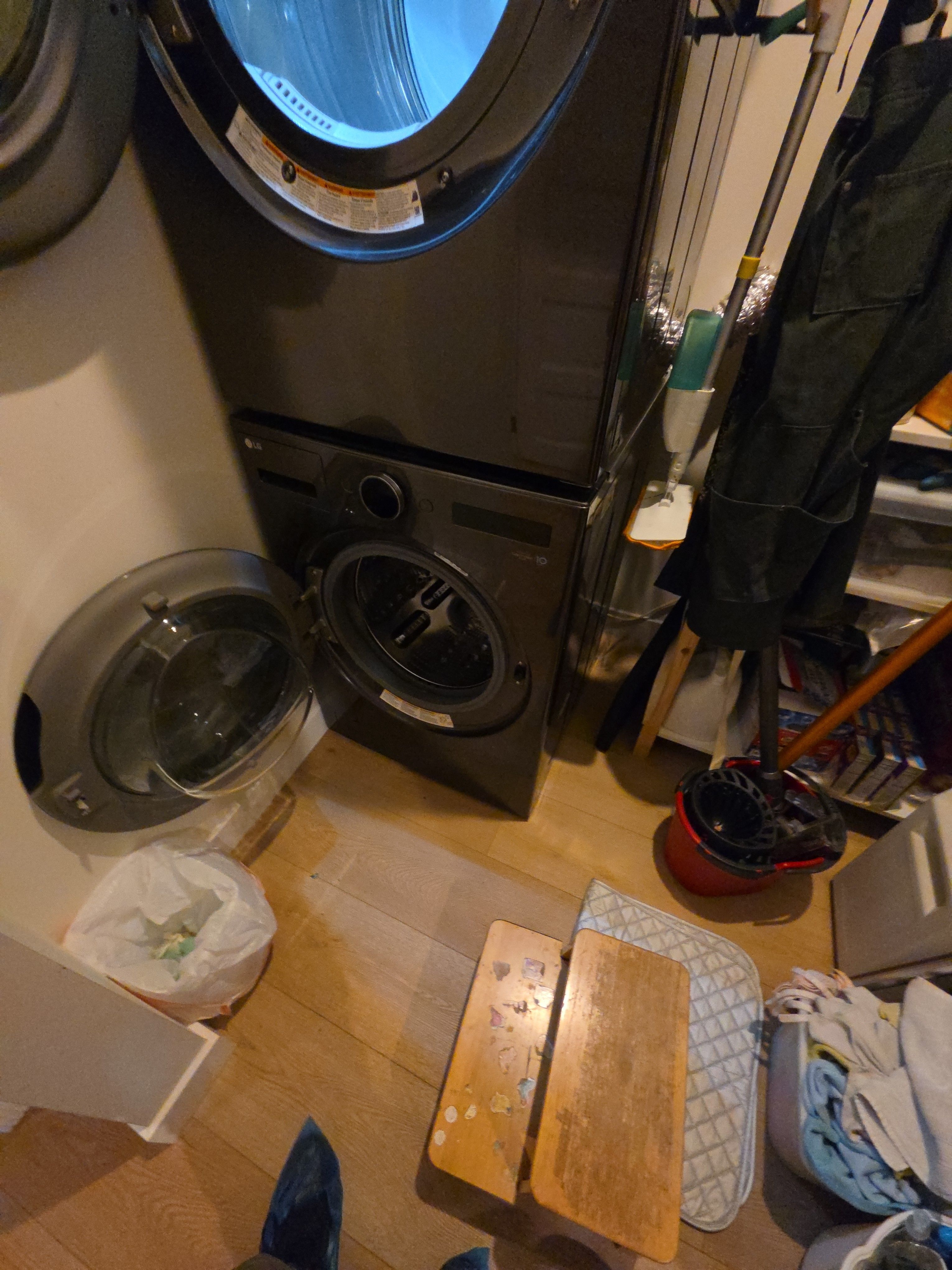
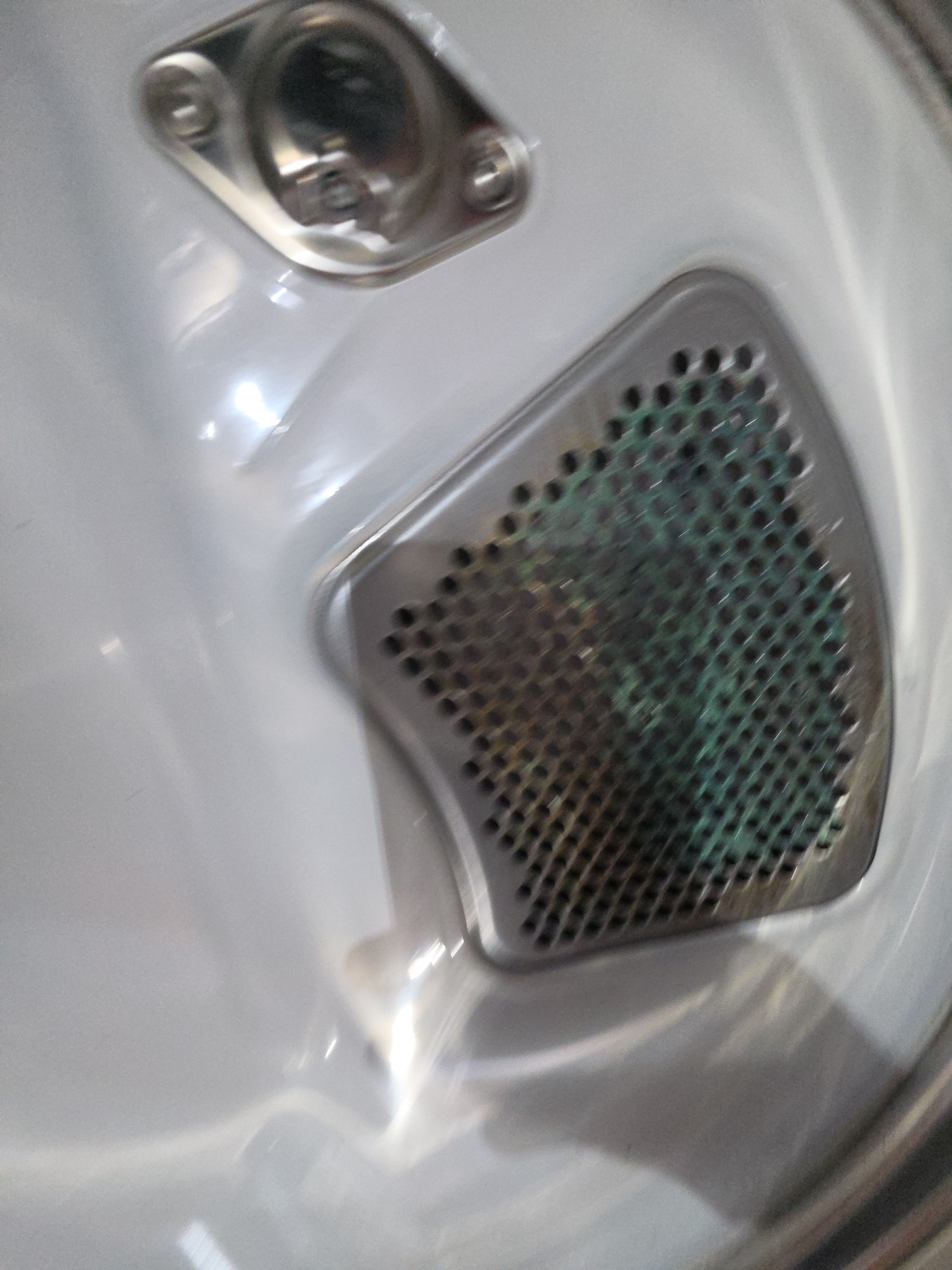
A homeowner in Highland Park put a load in their LG dryer that included a polyester item, ran it on a hot setting, and the synthetic material melted. Not in the drum, where they would have seen it immediately, but downstream. The melted material got pulled into the exhaust path and fused itself to the inside of the duct. By the time they called A+ Appliance Repair and Maintenance, the dryer was struggling to finish a load and something about the way it smelled was not right.
It is a genuinely easy mistake to make. Polyester and other synthetics are in more laundry than people realize, and plenty of items with rubberized or foam backing look perfectly launderable. The dryer does not know the difference. It just applies heat.
Why melted fabric is a different problem than lint
Every homeowner has heard that dryer vents need cleaning. The mental picture that goes with that advice is grey fuzz, and grey fuzz is a manageable problem. You run a brush through the duct, you pull out a surprising amount of material, airflow comes back.
Melted synthetic does not behave like that. When polyester goes past its melting point it turns into a liquid plastic, and when that liquid hits the cooler surface of the ducting it hardens into a glazed coating bonded to the wall of the duct. It is not sitting in there loose. It is attached.
Two things follow from that. First, the coating narrows the duct and roughens its interior, and a rough interior grabs lint the way velcro grabs thread. What might have been a slow accumulation over a couple of years becomes a rapid one over a couple of weeks, because every piece of lint that touches that surface has something to hold onto. Second, and this is the part that matters most, you now have a layer of plastic sitting in the hottest air path in the house.
Dryer fires are not a hypothetical risk. They are one of the more common sources of house fires, and restricted airflow is the mechanism behind most of them. When exhaust cannot leave at the rate the machine expects, heat builds in the drum and the ducting instead of exiting the building. Add a combustible synthetic coating to that hot, restricted passage and you have stacked two hazards on top of each other.
Why we replaced the duct instead of cleaning it
Our technician inspected the exhaust path and found the melted residue bonded to the duct wall. The honest answer in that situation is that it cannot be cleaned out, and we would rather say so than sell an hour of scrubbing that will not fix it.
Scraping hardened plastic out of ducting does not work well for a few reasons. You cannot reach most of the run. What you can reach, you will not get fully clean, so the rough surface stays and keeps catching lint. And the act of scraping tends to gouge or tear the duct material itself, especially with flexible ducting, which creates new ridges that trap lint just as effectively as the residue did. You end up with a duct that is neither clean nor intact.
Replacement is the correct repair here, and it is not an expensive part. We replaced the duct, cleared the exhaust path, and confirmed the dryer was moving air properly again. The LG unit itself was fine. There was nothing wrong with the machine, which is worth saying clearly, because a dryer that suddenly takes two or three cycles to dry a load feels like a dying appliance and is very often nothing more than a blocked exhaust.
How to tell your dryer is not breathing
The symptoms of restricted airflow are consistent, and they show up before anything dangerous happens. Worth knowing what they are.
Loads taking noticeably longer is the first and most reliable sign. If a load that used to finish in one cycle now needs two, airflow is the first thing to suspect, not the heating element. The outside of the dryer getting hot to the touch is another, as is the laundry room itself feeling humid or warm during a cycle, which means moisture that should be leaving the house is staying in it. Clothes that come out hot but still damp point the same direction. And any burning or chemical smell during a cycle deserves attention immediately rather than at the end of the load.
You can also check the exterior vent hood while the dryer runs. You should feel a strong, steady push of warm air. A weak trickle means something in the path is restricted, whether that is lint, a crushed section of flexible duct behind the machine, or a vent flap that has stopped opening.
What not to put in the dryer
Since this job started with a load rather than a part, the prevention is worth spelling out. Anything with a rubber or foam backing should stay out of a hot dryer, which covers most bath mats, a lot of non-slip rugs, and some athletic gear. Items with vinyl or plastic prints can soften and transfer. Synthetic athletic fabrics are fine on low heat but genuinely do not like high heat.
The general rule is that if you are unsure what an item is made of, use the low or air-dry setting. The cycle takes longer and nothing melts. That is a good trade.
It is also worth pulling the dryer away from the wall once a year to look at the flexible duct behind it. Those runs get crushed when a machine is pushed back into place, and a kinked duct restricts airflow just as effectively as a clogged one.
Straight answers on dryer venting in Highland Park
We waived the service call fee on this job because the customer went ahead with the repair, which is how we handle it across Highland Park, Eagle Rock, and the rest of northeast Los Angeles. The work carries our 30-day repair warranty and we quote the price upfront, before anything gets installed.
If your dryer has started taking longer than it used to, or something smells off during a cycle, it is worth getting looked at sooner rather than later. Airflow problems do not improve on their own and the failure mode at the end of the road is not a dead appliance, it is a fire. Most of the time the fix is quick and inexpensive. We offer same-day service when we can.