

A Fan Complaint and a Burner Element on a KitchenAid Stove in Pasadena
A Pasadena homeowner called about a problem with the fan on their KitchenAid stove. During the visit our technician also replaced a heating element for one of the burners. Fans and heating elements are the two systems on a range that people most often misread, partly because a fan noise can come from several different places and partly because a failing element usually still produces some heat. This post explains what each system does, how they fail, and what is worth checking before calling anyone out.
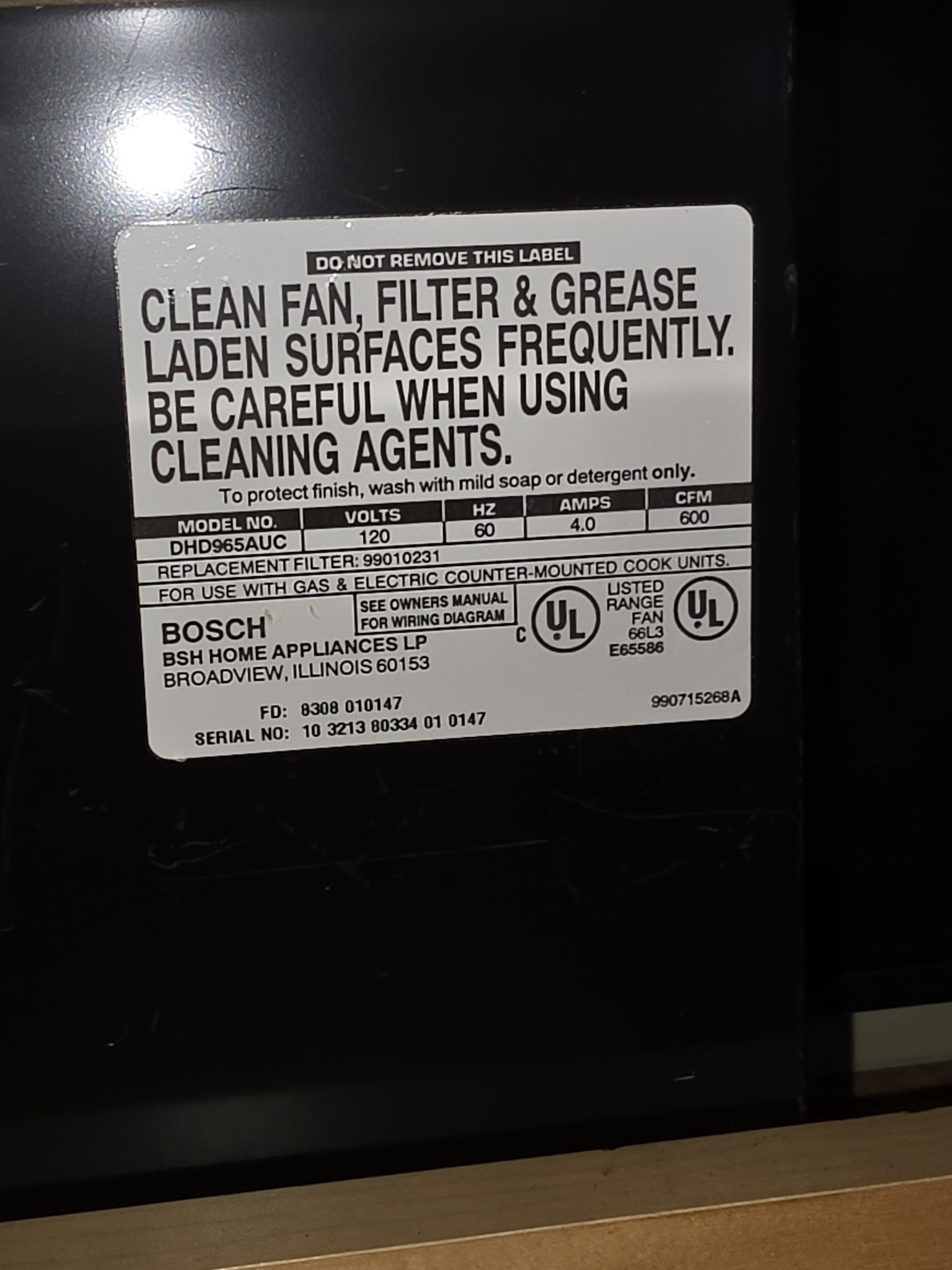
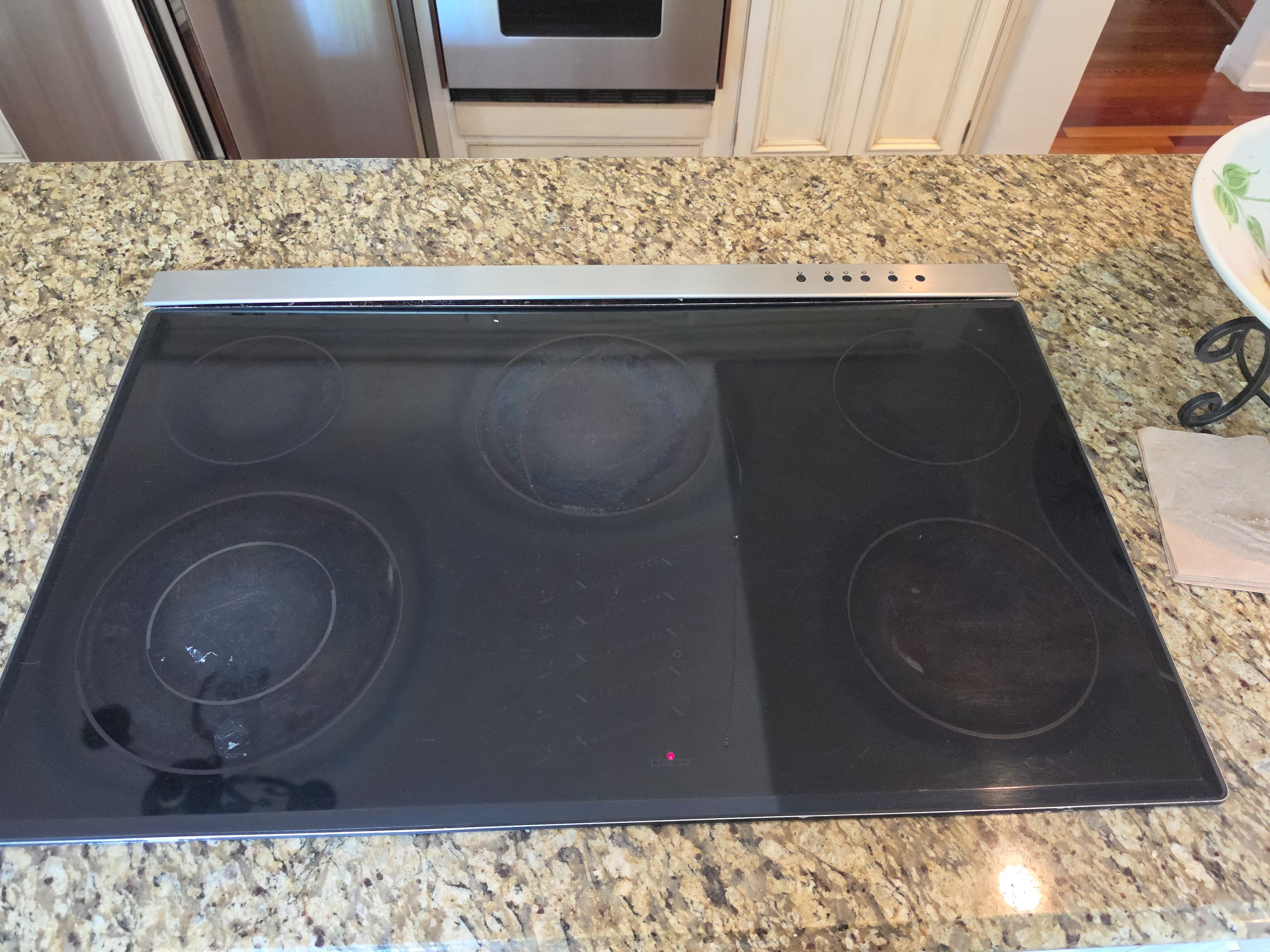
The call was about a fan
A homeowner in Pasadena contacted A+ Appliance Repair and Maintenance about their KitchenAid stove. The complaint was a problem with the fan. Over the course of the visit, our technician also replaced a heating element for one of the burners.
Fan complaints are worth writing about because they are among the vaguest things a customer can report, through no fault of their own. A range can have more than one fan, they sit in different places, they run at different times, and the sound one makes when it is unhappy is not obviously different from the sound another makes. Homeowners hear a noise, or notice a fan that will not stop, or notice one that never starts, and there is no way from the kitchen side to know which system is involved.
The fans on a range, and what each one does
Worth laying out, because knowing which fan you are dealing with narrows the problem considerably.
The convection fan lives inside the oven cavity, usually centered on the back wall behind a cover. Its job is to move hot air around so the oven cooks evenly and faster, and it only runs when a convection mode is selected. If this one fails you get uneven baking, hot spots, and longer cook times, but the oven still works in conventional mode. If its bearing is going you get a rhythmic whirring or grinding that comes from inside the oven and only during convection cycles.
The cooling fan is a completely different component. It has nothing to do with cooking. Its job is to pull air through the range's electronics compartment so the control board and the surrounding cabinetry do not overheat. It usually starts partway into a cooking cycle and keeps running after you turn everything off, sometimes for a long time. That behavior alarms people who assume something has been left on. It has not. The fan is doing exactly what it is designed to do, and a range that shuts everything off the instant you turn the dial would actually be the broken one.
Then there is the downdraft or ventilation fan, which on some installations is built into the cooktop or sits nearby and pulls cooking smoke and steam away. This is a separate appliance in most kitchens even when it looks integrated, with its own controls, its own motor, and its own filters.
The most common false alarm of the three is the cooling fan. The second most common is a ventilation fan losing airflow because its filter is saturated with grease, which sounds like a failing motor but is actually a cleaning problem.
Burner heating elements, and how they fail
The other part of this job was a burner heating element.
An electric heating element is a resistance coil inside a metal sheath. Push current through it and it gets hot. Simple in principle, and it fails in a small number of predictable ways.
The most common is an open circuit, where the coil breaks somewhere inside the sheath. That gives you a burner that does nothing at all, no matter what the dial says. A break is often invisible from the outside, because the sheath is intact and the element looks normal.
The second is a short or a ground fault, which can happen when the sheath is damaged or when moisture gets inside. This one is more concerning, because it can produce sparking, arcing, or a burner that heats when it should not.
The third and most deceptive is partial failure. The element still works but no longer reaches full output, so the burner heats slowly and never gets as hot as it used to. This one usually goes unnoticed for a long time. People adjust to it, turning the dial higher and waiting longer, and it only becomes obvious in hindsight after the element is replaced and the burner performs the way it originally did.
Elements are wear parts. They go through enormous temperature swings, expanding and contracting every time you cook, and that eventually fatigues the material. A burner that has stopped performing is usually the element rather than the control.
What is worth checking before calling
A few things a homeowner can establish that make any service call faster and cheaper.
For a fan issue, work out when the fan runs. Does it run only during convection cooking, only after the oven has been on, or all the time? Does it come from inside the oven cavity or from the vent area? Does the noise change with oven temperature? Those answers separate a convection fan from a cooling fan from a ventilation fan before anyone opens anything up.
For a burner, test the other burners at the same setting. If one is dramatically weaker than the rest, that is the element. If all of them are weak, the problem is more likely upstream in the power supply or control. And check whether the burner is fully seated in its receptacle, since a loose connection produces intermittent heating that mimics a bad element.
One safety note that matters more than the rest: if you ever see sparking or arcing at a burner, or smell anything electrical, shut the range off at the breaker and stop using it. That is not a wait-and-see situation.
Straightforward stove repair in Pasadena
KitchenAid ranges are well built and generally worth repairing rather than replacing, which is not true of every appliance on the market. Elements, fans, switches, and sensors are all serviceable parts, and the cost of any of them is a fraction of a new range.
We quote upfront before installing anything, waive the service call fee when you go ahead with the repair, and back the work with our repair warranty. Our technicians carry common parts for the brands we see most often, which is what makes same-day fixes possible rather than a diagnosis one day and a repair the next.
If you have a range in Pasadena, Altadena, San Marino, or nearby that is making a noise you cannot place or has a burner that has stopped pulling its weight, give us a call and we will sort out which system is actually involved.