

A KitchenAid Refrigerator That Frosted Over and Quit Cooling in La Crescenta-Montrose
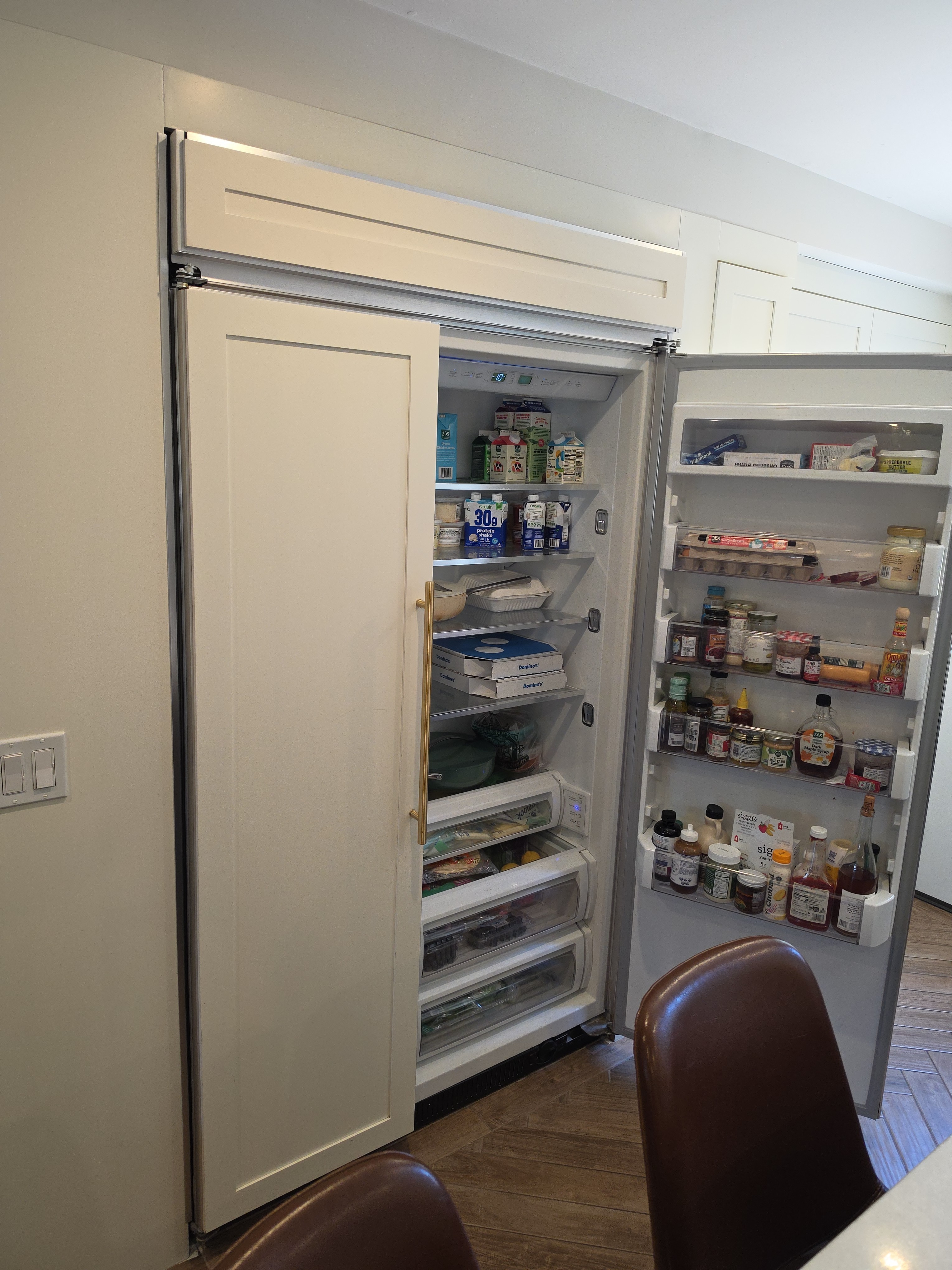
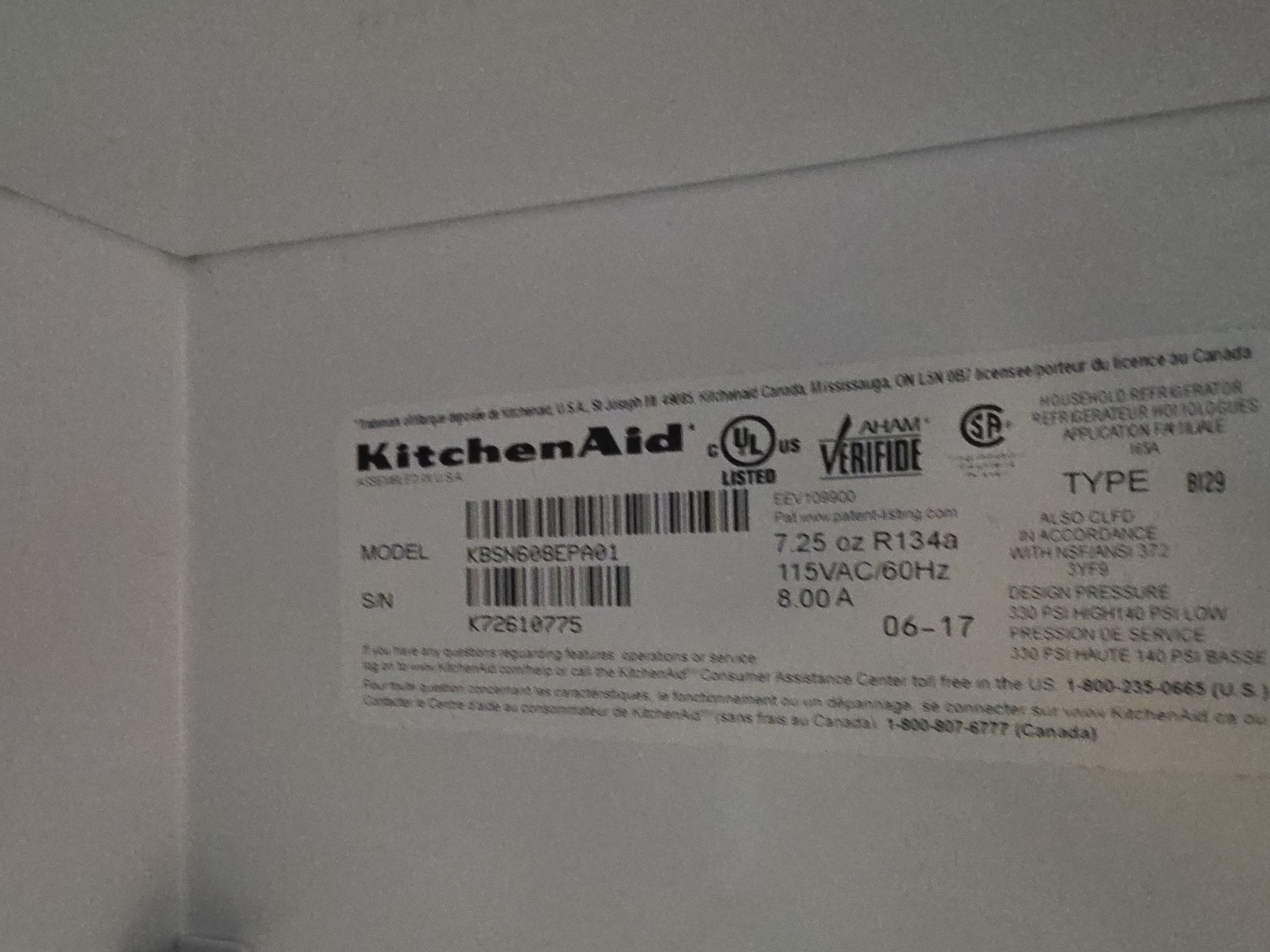
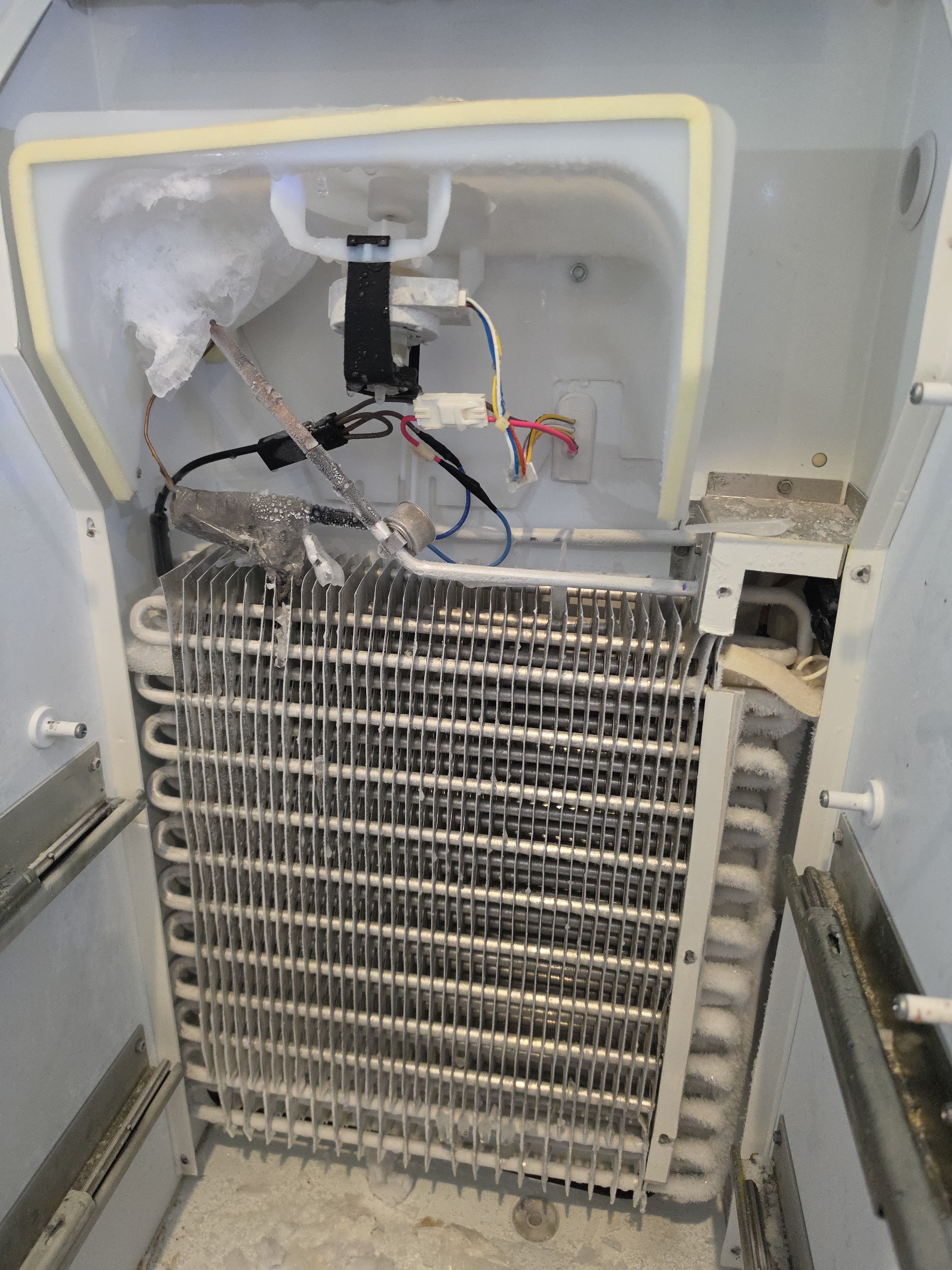
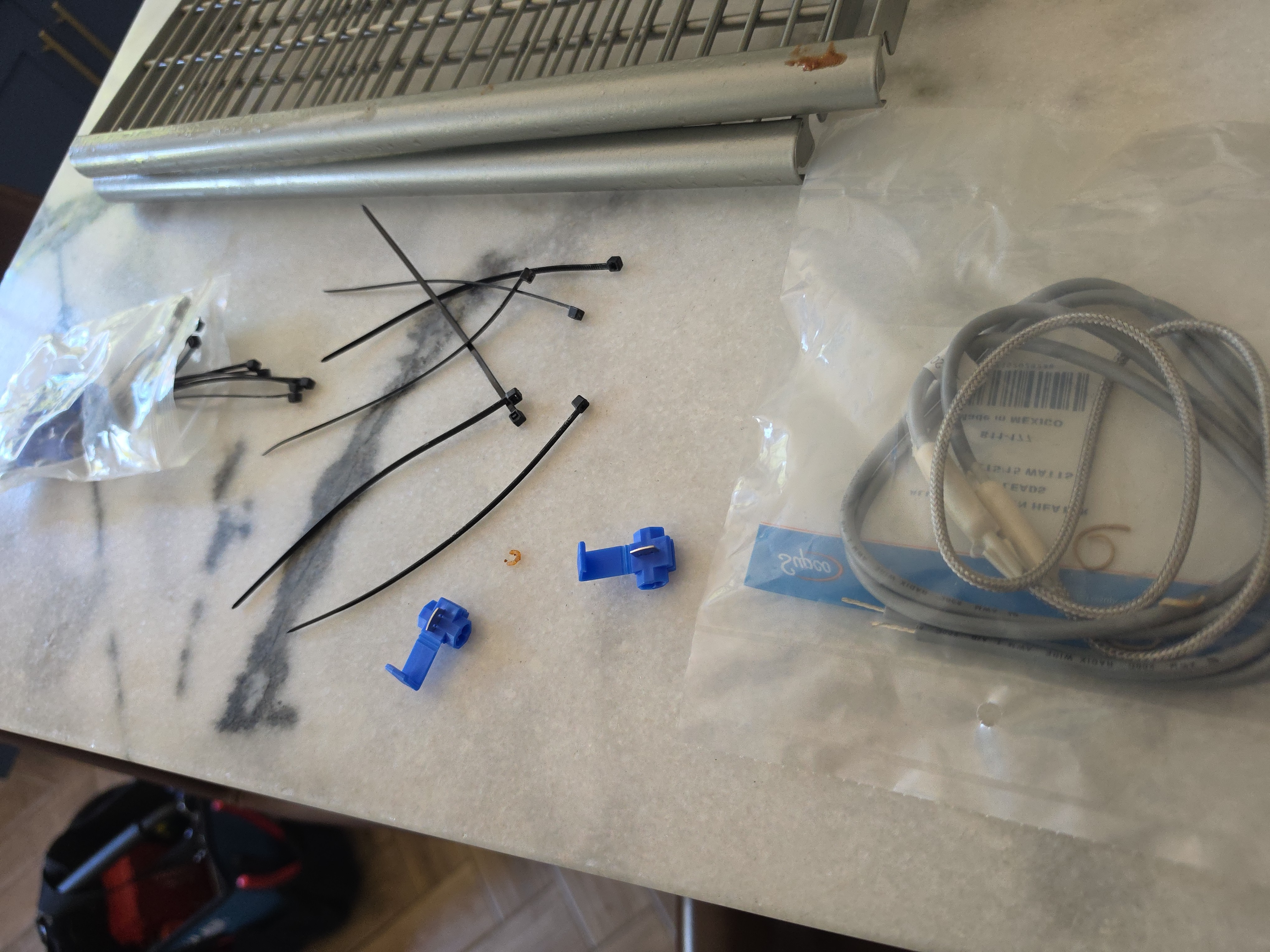
A La Crescenta-Montrose homeowner called A+ Appliance Repair and Maintenance about a KitchenAid refrigerator that was slowly losing its cooling. The most common cause of this exact pattern is not the compressor and not a refrigerant leak, but a failed defrost heater. When that small heater stops working, frost quietly builds on the evaporator coil until it blocks the airflow the refrigerator depends on, and the unit warms up over days even though it still sounds like it is running. Our technician confirmed the coil was iced over and the defrost heater had failed, replaced the heater, cleared the ice, and verified both compartments returned to temperature.
A KitchenAid Refrigerator That Slowly Lost Its Cold in La Crescenta-Montrose
A homeowner in La Crescenta-Montrose called A+ Appliance Repair and Maintenance about a KitchenAid refrigerator that was not cooling. What made it puzzling was how gradual it had been. The refrigerator had not died all at once. It had been getting a little warmer over several days, the freezer maybe holding better than the fresh-food side, and the whole time it kept humming along as if nothing was wrong.
That slow, running-but-warming pattern is one of the most recognizable failures in refrigeration, and it usually points at a part most people have never heard of: the defrost heater.
Why a refrigerator has a heater in it at all
It sounds like a contradiction. Why would a machine whose entire job is to make cold have a heater built into it?
The answer is frost. A refrigerator cools by blowing air across a very cold coil called the evaporator, hidden behind a panel in the freezer. That air carries humidity, and every time you open the door more moist air comes in. As that humidity hits the freezing coil, it condenses and freezes onto it, exactly the way frost forms on a cold window. A little frost is normal and expected.
Left alone, that frost would keep building until it completely encased the coil and choked off the airflow. So every refrigerator made in decades has a defrost system. A few times a day, cooling pauses and a small electric heater mounted on the evaporator warms up just enough to melt the accumulated frost, which drains away as water. Then cooling resumes. You never see it happen, and you are not supposed to.
What happens when the heater fails
When the defrost heater burns out, the timer or control still calls for defrost on schedule, but nothing melts. The frost that would normally be cleared instead stays, and the next cycle adds a little more on top. Over days, the coil goes from lightly frosted to a solid block of ice.
Here is the part that fools people. Ice on the coil does not stop the refrigerator from running. The compressor keeps working, the fan keeps trying to blow, and the machine sounds completely healthy. But the ice is now a wall the air cannot get through. Less and less cold air makes it out to the compartments, and the refrigerator warms up gradually, over days, precisely the way this customer described.
That slow decline while the unit still runs is the signature of a defrost failure, and it is what separates it from a compressor or sealed-system problem, which tends to warm the whole unit more decisively.
Confirming it rather than assuming it
Our technician did not want to guess, because a warm refrigerator has more than one possible cause. He pulled the panel inside the freezer to look directly at the evaporator coil, which is where the truth is. A coil packed in frost and ice while everything else runs is the confirmation. From there, testing the defrost heater itself showed it had failed and was no longer producing heat when the defrost cycle called for it. The rest of the defrost system was checked so the new heater would not be sent to fail against an unaddressed problem.
With the diagnosis confirmed, the ice on the coil was fully cleared. That step matters as much as the part. A new heater installed against an existing block of ice will spend its first day fighting a backlog instead of doing its job, and the customer would see a slow recovery and wonder if the repair worked.
The repair
We replaced the defrost heater and cleared the frozen evaporator. With the coil clean and the new heater in place, airflow was restored immediately, and our technician confirmed cold air was once again moving into both the freezer and the refrigerator compartment. He verified the temperatures were pulling down into their proper ranges and that the defrost cycle would now do what it is supposed to do, keeping the coil clear going forward rather than letting it ice up again.
How to catch this one early
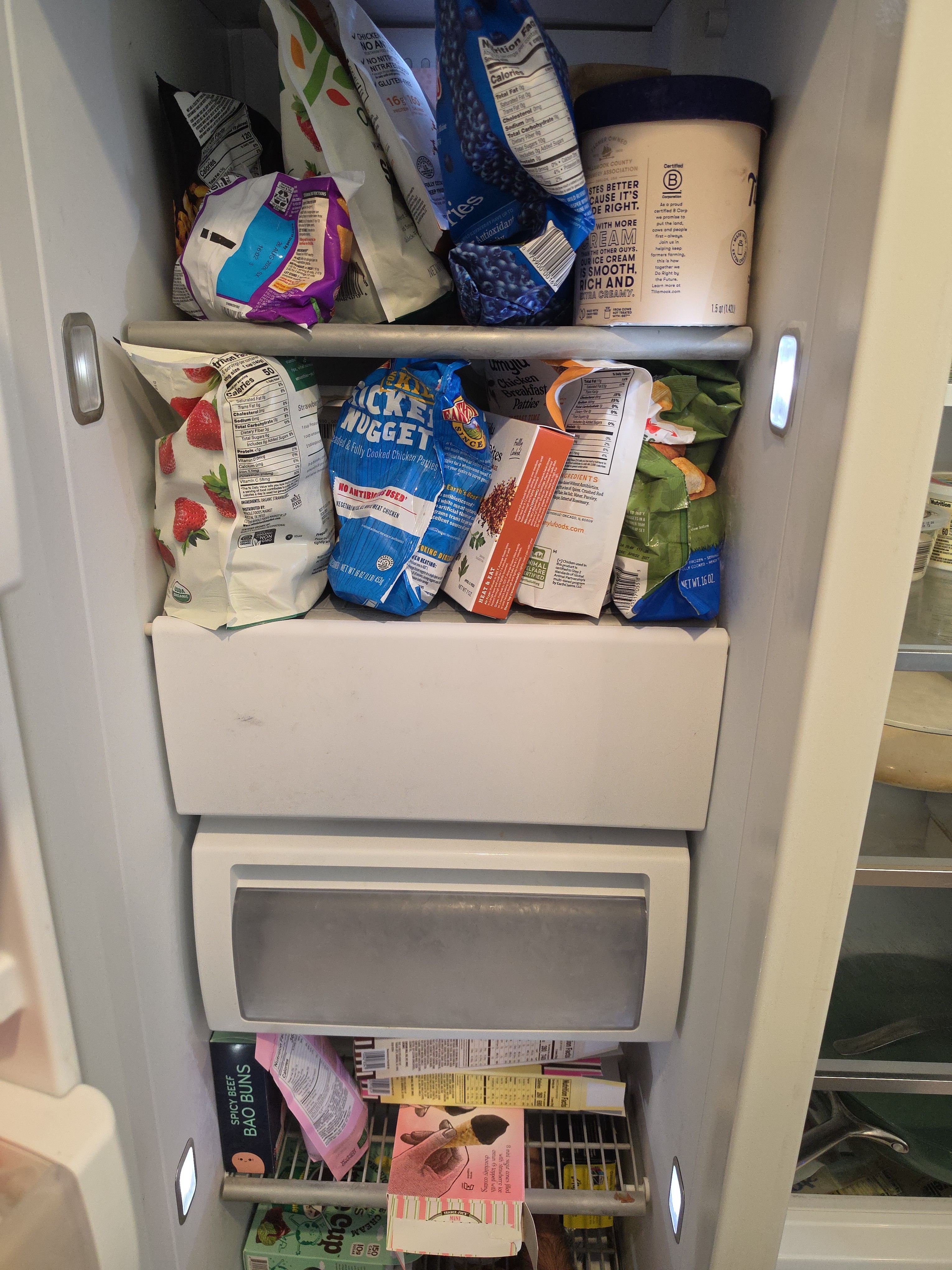
A defrost failure gives you signs if you know them. Watch for a refrigerator that is warming up slowly over days rather than failing suddenly. Notice if the freezer holds better than the fresh-food side while both slowly drift, since the compartment fed by ducted air suffers first. And if you ever have reason to look behind the rear inside panel of the freezer, a coil buried in frost while the machine runs is the whole story.
One thing worth knowing: unplugging the refrigerator for a day will melt the ice and temporarily restore cooling, which convinces some people the problem fixed itself. It did not. With the heater still dead, the ice simply rebuilds and the refrigerator warms again within days. That temporary recovery is actually a strong clue that the defrost system, not the compressor, is the culprit.
About A+ Appliance Repair and Maintenance
We service KitchenAid, Whirlpool, Sub-Zero, LG, Samsung, GE, Bosch, Maytag, and every other major brand throughout La Crescenta-Montrose, La Canada Flintridge, Glendale, and the surrounding foothill communities. Our technicians are trained and carry common parts, so a defrost repair like this one can often be diagnosed and completed in a single visit.
We quote the price upfront before any work begins, we waive the service call fee when you move ahead with the repair, and every completed repair is backed by our full repair warranty. If your refrigerator is slowly getting warmer while it still sounds like it is running, do not wait for it to fail completely. The sooner a defrost problem is caught, the less food ends up in the trash.