

Kenmore Dryer Belt and Idler Pulley Replacement in Chicago
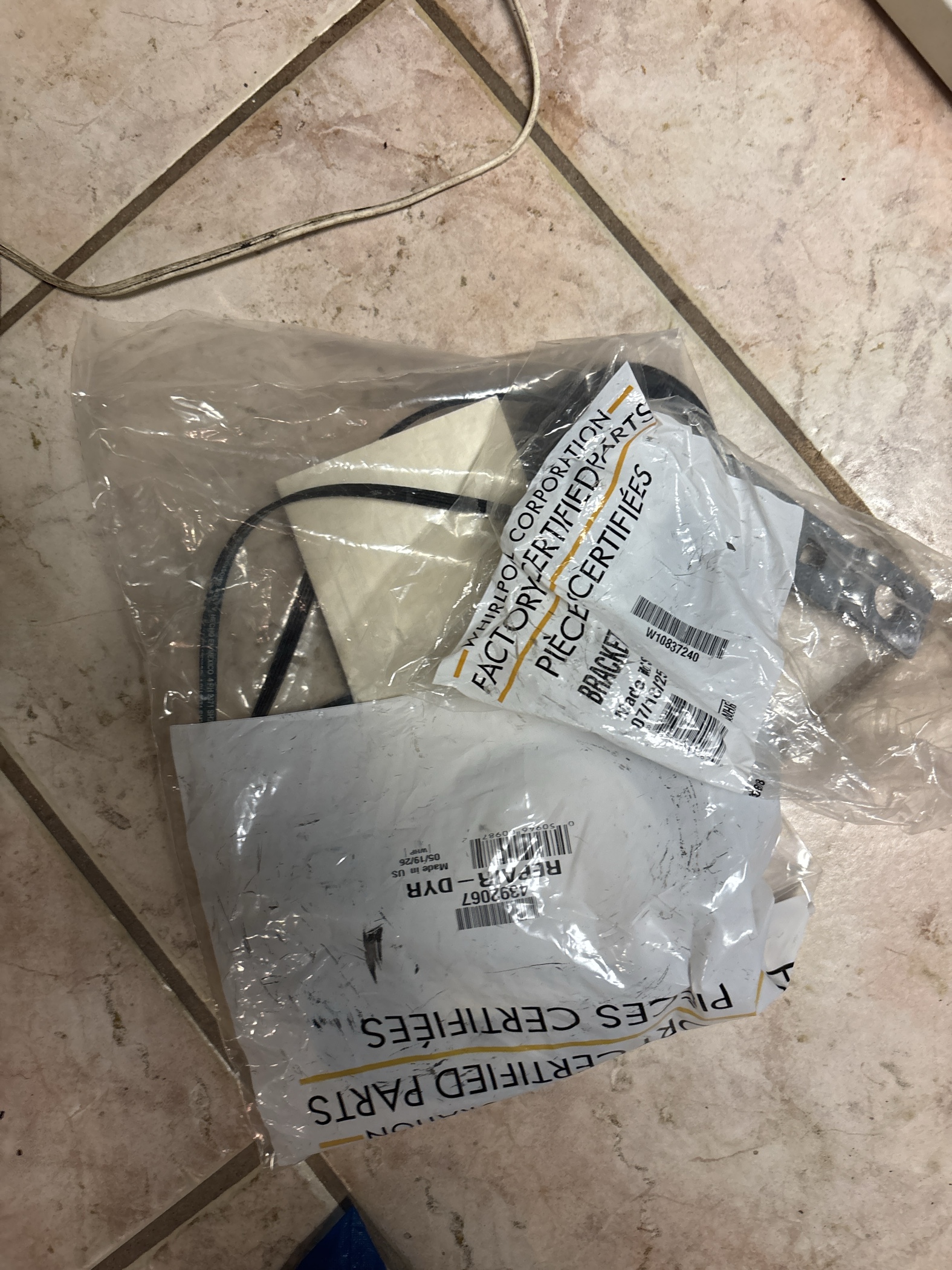
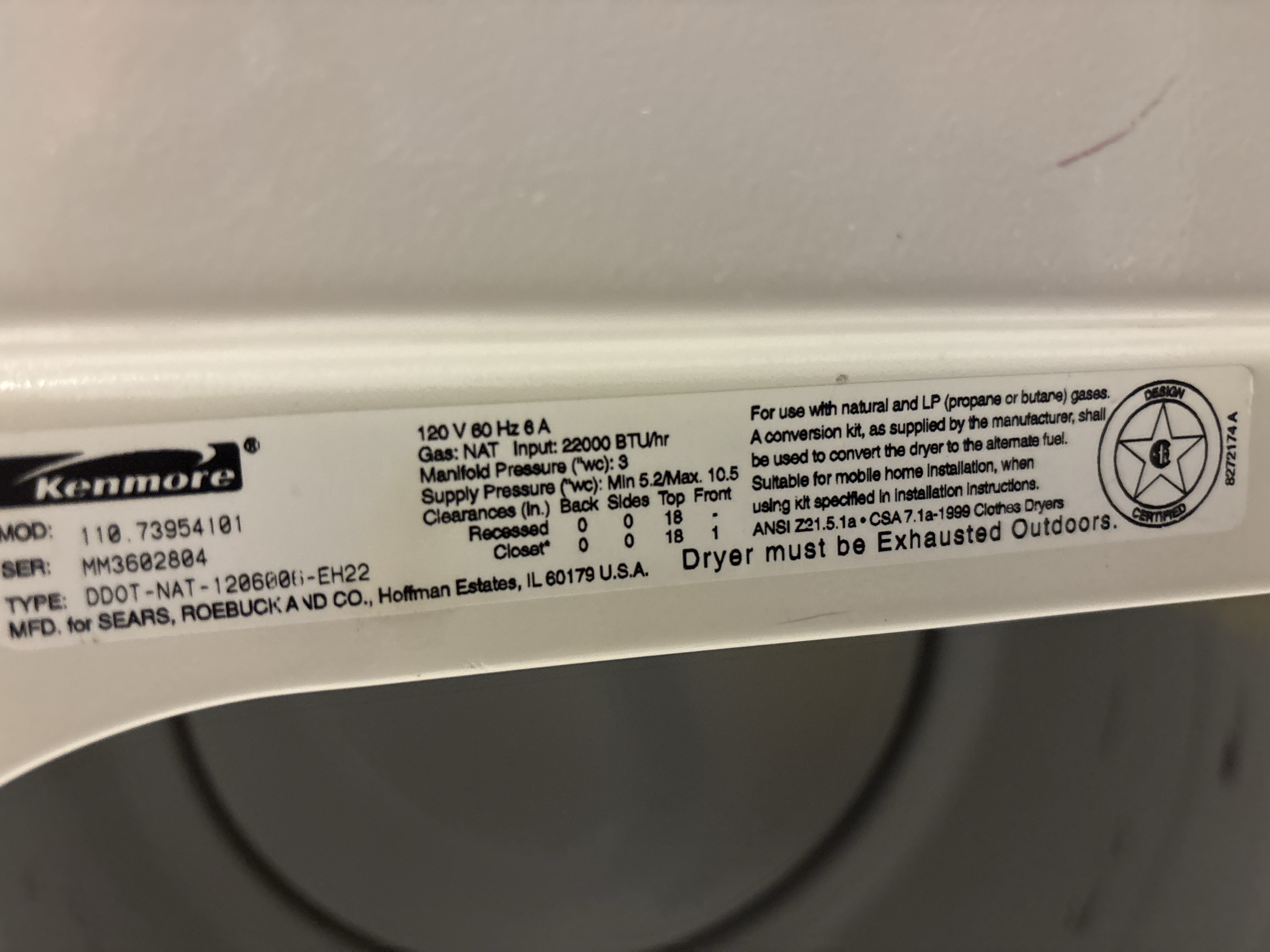
A homeowner on Chicago's south side called A+ Appliance Repair and Maintenance about a Kenmore dryer that ran through complete cycles without drying anything. The motor and blower were working normally, which is what made the failure so easy to misread from the outside. Our technician found a failed drive belt along with a worn idler pulley, the tensioning component whose failure had caused the belt to wear out prematurely. We replaced both parts together so the new belt would not meet the same fate, cleared accumulated lint from inside the cabinet, and ran the dryer to confirm the drum was turning properly under load. It is a good reminder that a dryer can look and sound completely healthy while the drum inside it is not moving at all.
A Kenmore Dryer That Ran but Would Not Dry, on Chicago's South Side
There is a particular kind of frustration that comes with an appliance that seems to be working. A dryer that is completely dead is at least honest about it. You push the button, nothing happens, you know where you stand. A dryer that lights up, hums along, runs its full cycle and then hands you back a load of wet laundry is a different experience entirely.
That is what a homeowner on Chicago's south side was dealing with when they called A+ Appliance Repair and Maintenance. Their Kenmore dryer would not dry. The description was simple and the frustration behind it was familiar. Clothes went in damp and came out damp, cycle after cycle, with a machine that gave every outward appearance of doing its job.
Why a dryer that runs can still fail completely
Drying clothes takes three things working together, and the loss of any one of them produces wet laundry at the end of the cycle. You need heat. You need airflow to carry the moisture out. And you need the drum to turn, so that the load tumbles and every piece of fabric gets exposed to that moving hot air.
That third one is the piece people tend to forget about, because from outside the machine it is invisible. The motor and the blower can both be running perfectly while the drum sits completely still. You hear noise, you feel warm air at the vent, and you assume the dryer is fine. Meanwhile the clothes inside are packed in one motionless heap, and only the outer layer is getting anything at all.
What our technician found
On arrival at the Chicago residence, our technician opened the cabinet and got to the drive system, which is where a not-drying complaint with a running motor almost always leads.
The drive belt had failed. On a Kenmore dryer, this belt is a long, thin loop that wraps all the way around the outside of the drum and runs down to a small pulley on the motor shaft. It is what converts the motor's rotation into the drum's rotation. When it snaps or slips off, the motor keeps spinning freely, the blower keeps moving air, and the drum simply stops.
The idler pulley was worn out as well, and the two failures are related. The idler pulley is a spring loaded wheel that rides against the belt and keeps constant tension on it. When the pulley's bearing dries out and starts to bind or wobble, it stops holding tension evenly. The belt begins to run hot, slip, and abrade against itself, and it wears out far faster than it should.
This is why replacing a belt on its own is often a short lived repair. If the pulley that destroyed the first belt is still in place, it will happily destroy the second one. We replaced both.
The repair
With the drive belt and idler pulley replaced, the drum turned properly again and the machine went back to actually drying clothes rather than just warming them. Our technician ran the dryer through a cycle to confirm the drum was rotating under load, the belt was tracking correctly in its groove, and the new pulley was running smooth and quiet.
While the cabinet was open, we also cleared out the lint that had accumulated inside it. This is not an upsell and it is not optional in our view. Lint that escapes the trap collects in the interior of every dryer over time, it restricts airflow, it lengthens drying times, and it is a genuine fire risk sitting a few inches from a heating element. If we have the machine open, we clean it.
How to tell if this is what is happening to your dryer
There is a simple test that costs nothing. Start a cycle, let it run for a moment, then open the door and look inside. If the drum is not turning while the machine is clearly running, you are looking at a drive system problem, and it is almost certainly the belt.
Some other signs point the same direction. A dryer that suddenly became much quieter than it used to be often has a snapped belt, because the drum's rumble was most of the sound you were used to hearing. A dryer that squeals or screeches during operation usually has a failing idler pulley or worn support rollers. A drum that feels loose or that you can spin by hand with almost no resistance is another strong indicator.
If the drum is turning normally and the clothes are still coming out wet, the problem is somewhere else, most often in the heating circuit or a blocked vent. Those are worth ruling out too, and it is a quick check for a technician who knows where to look.
Working with A+ Appliance Repair and Maintenance
We service Kenmore, Whirlpool, Maytag, LG, Samsung, GE, and every other major brand throughout Chicago and the surrounding communities. Our technicians are licensed and insured, we carry common parts on the truck so that many repairs can be finished in a single visit, and we offer same day service when the schedule allows it.
Our pricing is quoted upfront before anything comes apart, so you know what the repair costs before you agree to it. There is no separate service call fee when you move forward with the work we recommend. Every completed repair is backed by our full repair warranty.
If your dryer is running through full cycles and giving you back damp clothes, do not keep running it hoping it works itself out. A load that takes three cycles to dry is costing you real money in gas or electricity, and the underlying fault is usually a straightforward fix once someone identifies it correctly.