

A Gas Oven That Stopped Heating in Pasadena
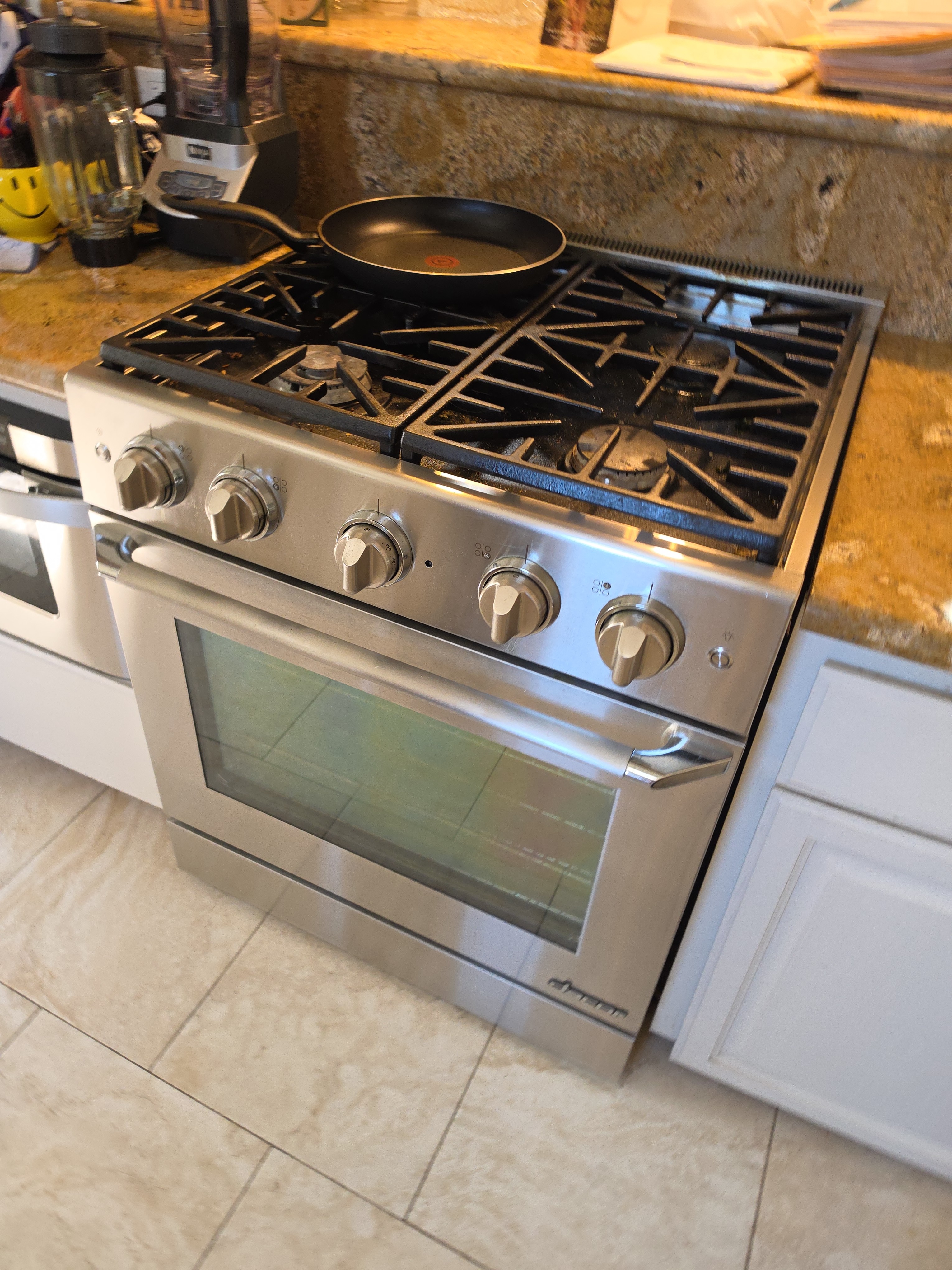
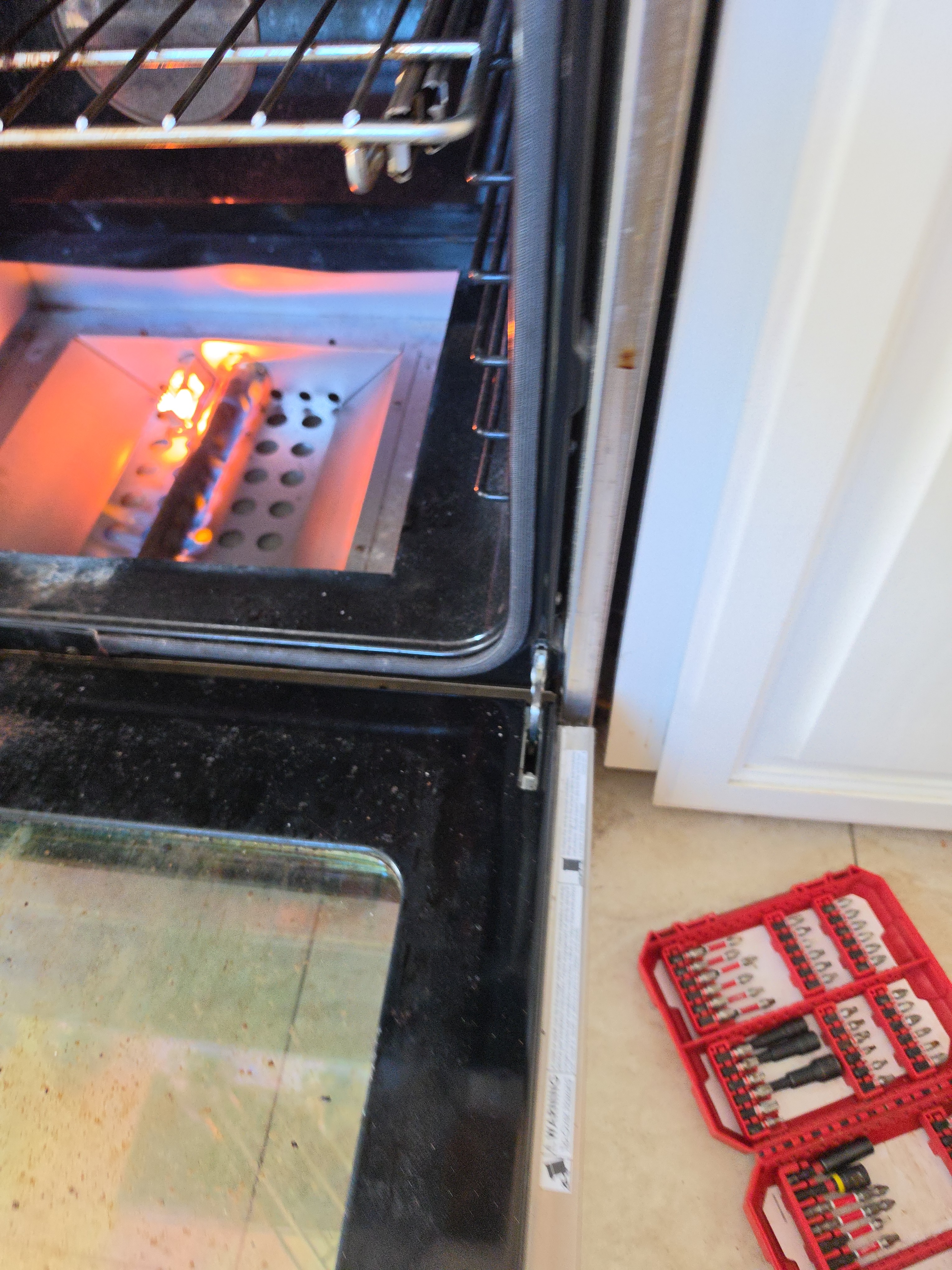
A Pasadena homeowner called A+ Appliance Repair and Maintenance about a gas oven that had stopped heating. When a gas oven quits heating, the single most common cause is a failed igniter, which on a gas oven does double duty as both the heat source that lights the gas and the electrical component that lets the gas valve open. As it wears, it can still glow while no longer drawing enough current to open the valve, so no gas lights and the oven stays cold. Our technician replaced the igniter, restoring reliable heat, and confirmed the oven lit and held temperature. It is one of the most common oven repairs there is.
A Gas Oven That Went Cold in Pasadena
A homeowner in Pasadena called A+ Appliance Repair and Maintenance about a gas oven that had stopped heating. It is a common and disruptive failure, the kind you usually discover with something waiting to go in and no way to cook it. When a gas oven stops heating, there is one cause that stands above the rest in how often it is responsible, and it is worth understanding.
The igniter does two jobs
The most common reason a gas oven stops heating is a failed igniter, and the igniter is one of the most misunderstood parts in the whole appliance. Most people picture it as a spark, like the click of a gas cooktop lighting a burner. In a gas oven it is not that. The igniter is a bar or coil, often made of silicon carbide, that heats up until it glows bright, and it does two jobs at once.
First, it is the heat source that lights the gas. Second, and this is the part that surprises people, it acts as the electrical gatekeeper for the gas safety valve. That valve only opens when enough electrical current flows through the igniter circuit. So the igniter both lights the gas and, by drawing the right amount of current, tells the valve it is safe to release it.
Why it fails the way it does
As an igniter ages, its electrical resistance rises and the current flowing through it drops. When that current falls below the threshold the valve needs, the valve stops opening. No gas is released, nothing lights, and the oven stays cold. Here is the counterintuitive part: throughout that decline, the igniter often keeps glowing. A weak igniter can look perfectly healthy, glowing away, while no longer drawing enough current to open the valve. This is exactly why homeowners so often look in, see the igniter glowing, and assume it must be fine and the problem must be elsewhere. It is not fine; it has lost the ability to do the half of its job you cannot see.
Igniters are also simply wear items. They degrade gradually over years of heating and cooling cycles, and they are physically brittle, which is worth knowing if you ever have the bottom panel of your oven out for cleaning. They are the single most common cause of a gas oven that will not heat.
The repair
Our technician confirmed the igniter was the failure and replaced it. Because a glowing igniter cannot be judged by eye, the proper evaluation is electrical, measuring what the circuit actually draws against what the valve requires, which is how a weak igniter is distinguished from a healthy one that looks identical. With the new igniter installed, the burner lit promptly and the oven came up to temperature. Our technician verified the oven cycled correctly, holding its setpoint and re-lighting when it called for heat rather than lighting once and quitting. That verification matters, because an oven that lights once and fails on the third cycle is not a repaired oven.
The warning sign to watch for
This failure usually gives you notice if you know what to watch. The clearest early sign is a slow light. Time how long the oven takes to light from cold; a healthy igniter typically gets the burner lit within about half a minute to a minute. If yours has crept up to two, three, or four minutes of glowing before the gas catches, the igniter is on its way out even though the oven still works. Catching it at that stage turns it into a scheduled repair instead of an oven that quits in the middle of cooking. Uneven baking and an oven that takes longer than it used to are also worth noting. And an oven that is struggling to light should not be run over and over in hopes it catches; have it looked at instead.
About A+ Appliance Repair and Maintenance
We service every major gas oven and range brand throughout Pasadena and the surrounding San Gabriel Valley. We carry common parts, including igniters, which are one of the more common things we replace, so a repair like this can usually be done in a single visit. Our technicians are certified to work on gas appliances safely.
We quote the price upfront before any work begins, we waive the service call fee when you move forward with the repair, and every completed repair is backed by our full repair warranty. If your gas oven has stopped heating or has started taking a long time to light, we can get it heating reliably again.