

A Commercial Refrigeration Diagnostic for a Pasadena Business
A Pasadena business called A+ Appliance Repair and Maintenance for a diagnostic on a commercial refrigeration unit. Commercial equipment is a different animal from residential, running longer hours under heavier loads, and when it starts to struggle the cost of guessing is measured in spoiled inventory and lost service. Rather than swap parts on a hunch, our technician performed a structured diagnostic, checking the condenser and airflow, the sealed system, the defrost cycle, temperatures, and the controls, to isolate the true cause before recommending any repair. A proper diagnosis is the foundation of a commercial repair that actually holds.
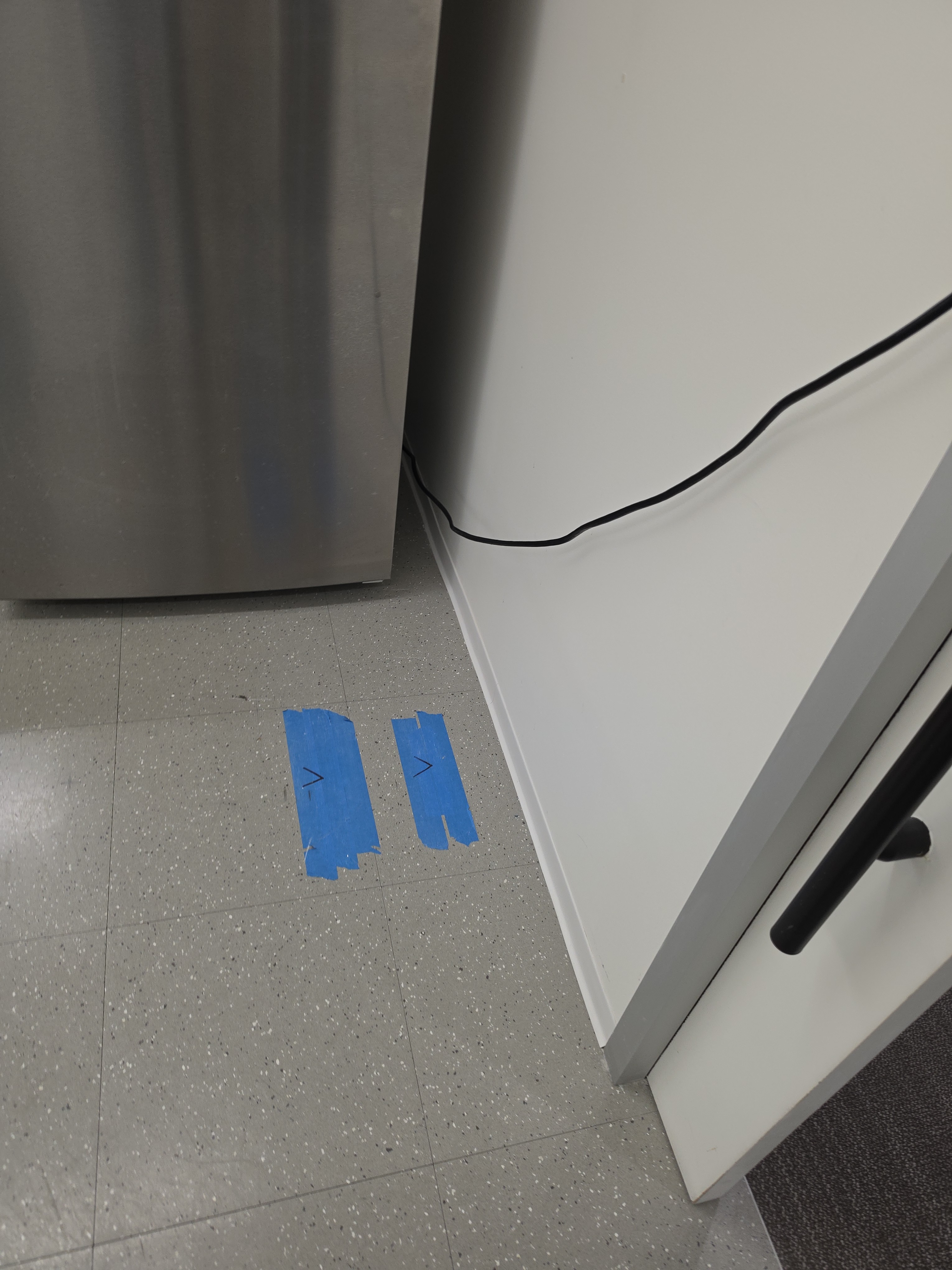
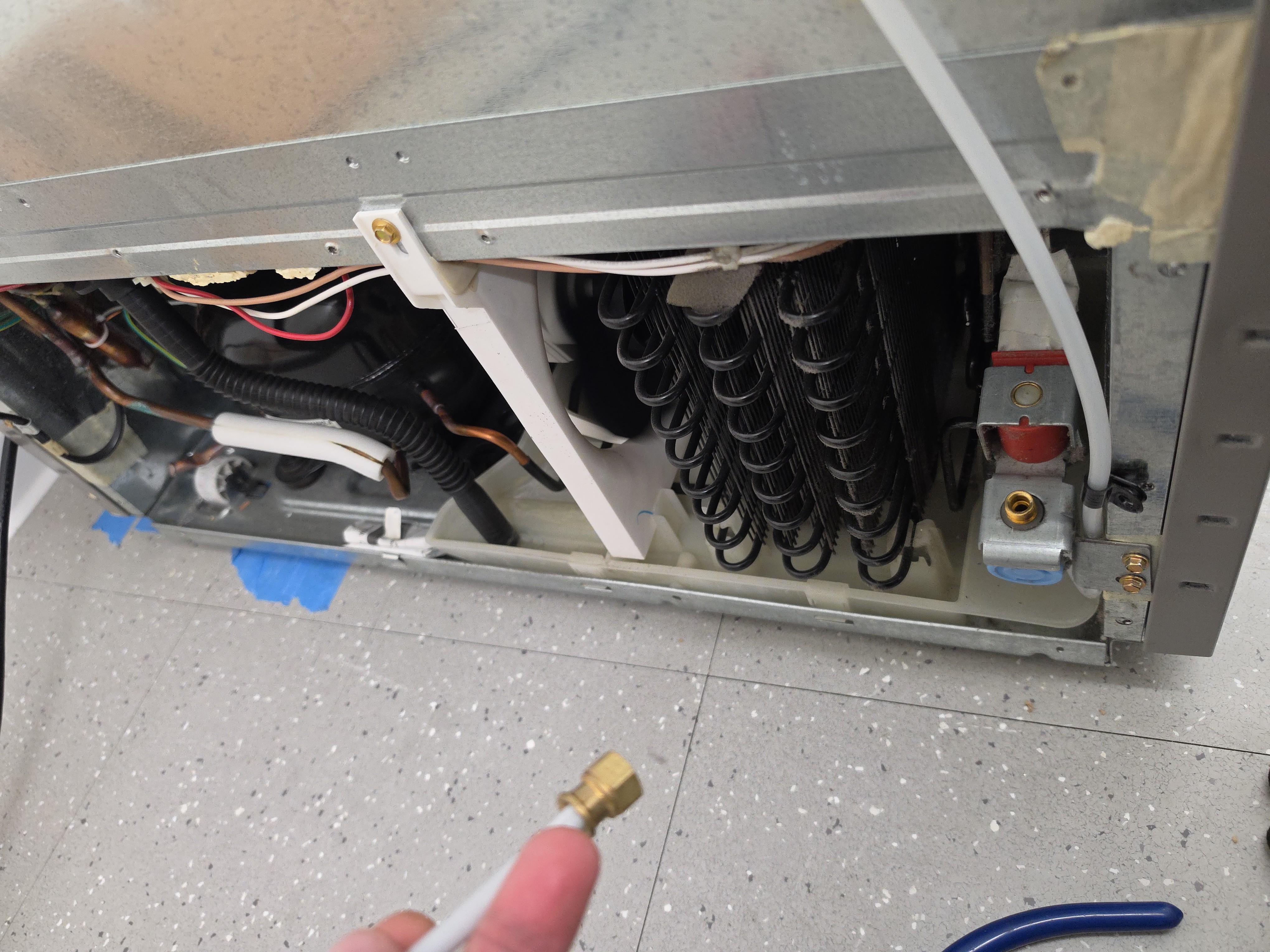
A Commercial Refrigeration Diagnostic in Pasadena
A business in Pasadena called A+ Appliance Repair and Maintenance for a diagnostic on a commercial refrigeration unit that was not performing the way it should. When a commercial unit starts to struggle, the stakes are different from a refrigerator at home. There is inventory inside it, there are health-code temperatures to hold, and every hour it is down can mean product thrown out and service interrupted. Getting the diagnosis right the first time is not a nicety. It is the whole point.
Why commercial equipment gets diagnosed differently
A home refrigerator opens a few dozen times a day and sits in a climate-controlled kitchen. A commercial unit lives a much harder life. It runs long hours, often gets opened constantly, is frequently loaded with warm product that it has to pull down, and sits in hot back-of-house spaces with other heat-producing equipment. Everything about it works harder, which means the parts wear faster and the symptoms stack on top of each other.
Because of that, you cannot diagnose a commercial unit by reacting to a single symptom. A unit that is not holding temperature could be fighting a dirty condenser, a failing fan, a refrigerant issue, a defrost problem, a door or gasket that no longer seals, or a control that is not calling correctly, and several of those can be true at once. Swapping in a part because it is the usual suspect is how a business pays for a repair that does not fix anything.
What a structured diagnostic actually covers
Our technician worked through the unit methodically rather than jumping to a conclusion.
The first stop was airflow and heat rejection. A commercial condenser coil packed with dust and grease cannot shed heat, and a unit that cannot reject heat cannot hold temperature no matter how healthy the rest of it is. The condenser, the condenser fan, and the airflow around the unit were checked, because in a busy commercial space this is one of the most common root causes and also one of the most overlooked.
Next was the sealed system and the cooling side. The technician looked at how the unit was actually cooling, whether the evaporator was doing its job, and whether the temperatures across the system were consistent with a properly charged, properly running machine or with a refrigerant or compressor issue.
Then the defrost system, because on commercial refrigeration a defrost fault will slowly ice up the evaporator and choke airflow, producing a unit that runs constantly and still drifts warm. The evaporator was checked for frost buildup that would point in that direction.
Finally the boundaries and the brain of the unit: the door seals and gaskets that keep conditioned air in and warm humid air out, and the controls and thermostat that decide when the unit cools and defrosts. A gasket that no longer seals or a control that is not calling correctly can mimic a much more expensive failure.
Why the diagnostic is the valuable part
It is tempting, with commercial equipment, to want a technician to walk in and immediately name a part. But the honest, and ultimately cheaper, path is a real diagnosis. Commercial units fail in layered ways, and the symptom you notice, the warm box, is usually the end of a chain that starts somewhere else. Finding where the chain actually starts is what separates a repair that lasts from one that has you calling back in a week with the same problem and a second invoice.
That is what this visit was about. A careful, structured evaluation of the whole unit so that whatever repair follows is aimed at the true cause, not the most obvious symptom. For a business, that means less downtime, less spoiled product, and a fix that holds up under the heavy duty cycle the equipment actually sees.
Keeping commercial refrigeration healthy
Most commercial refrigeration problems are slowed dramatically by two habits. Keep the condenser coil clean, because in a commercial kitchen it clogs with grease and dust faster than anyone expects, and a clogged coil is behind a large share of the no-cooling calls we run. And watch the door gaskets, because they take constant abuse and a seal that has gone hard or torn lets the unit fight a losing battle against warm air all day. A short regular maintenance check on those two things prevents a surprising number of emergency breakdowns.
About A+ Appliance Repair and Maintenance
We work on both residential and commercial equipment throughout Pasadena and the surrounding San Gabriel Valley, and our technicians are trained to diagnose and repair the refrigeration systems that businesses depend on. We understand that for a commercial customer, speed and an accurate diagnosis are not competing priorities. They are the same priority.
We quote upfront before any work begins, and every completed repair is backed by our full repair warranty. If your commercial refrigeration is not holding temperature, running constantly, or icing up, the first and most important step is a proper diagnostic. Get that right, and the repair takes care of itself.